
Nerello Mascalese
Nerello Mascalese is a red wine grape variety indigenous to Sicily, Italy, and represents one of the island’s most noble…
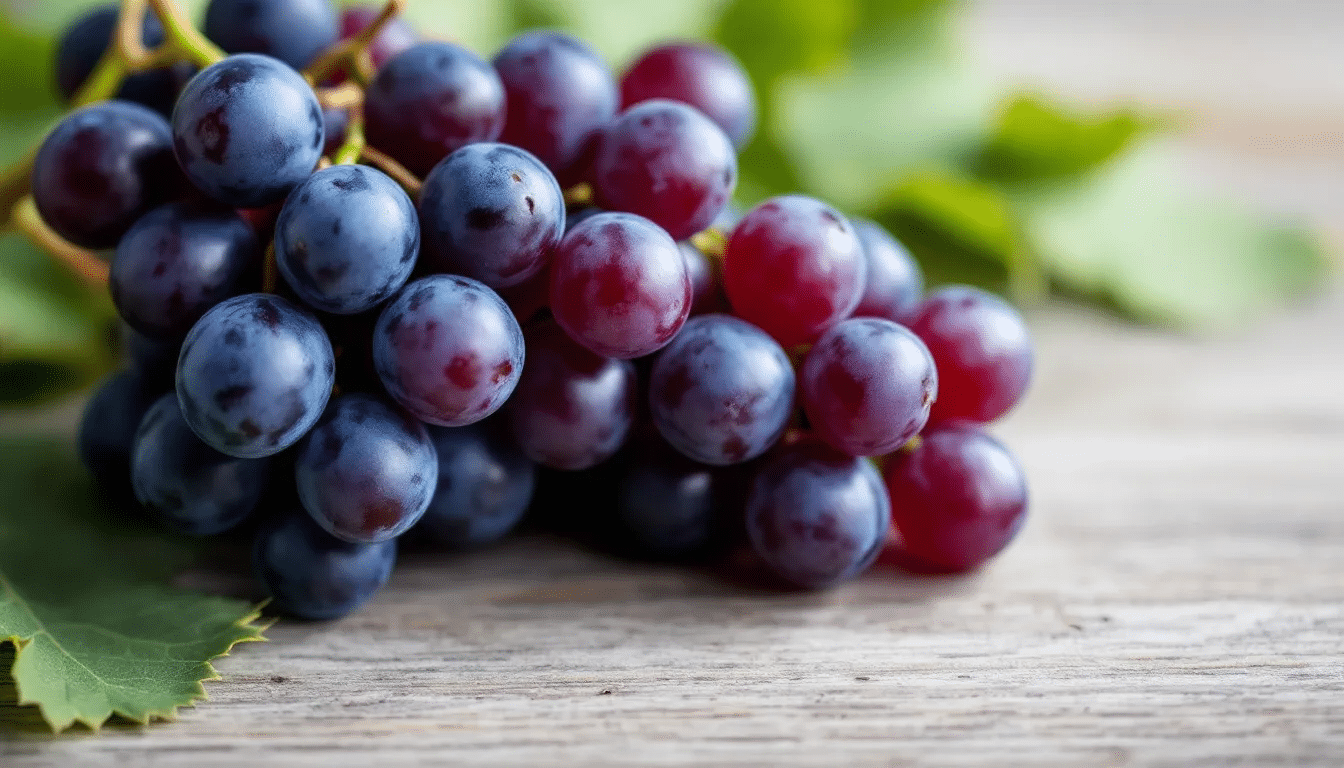
definition
Nerello Mascalese is a red wine grape variety indigenous to Sicily, Italy, and represents one of the island’s most noble and distinctive varietals. This grape has gained international recognition for producing elegant, complex wines that beautifully express the volcanic terroir of Mount Etna.
It is the offspring of Sangiovese and Mantonico Bianco, giving it a unique genetic lineage that connects it to some of Italy’s most important grape varieties. Often compared to Pinot Noir for its finesse and transparency, it creates wines that are both powerful and graceful, with a unique mineral, floral, and fruity character derived from the volcanic soils of its homeland.
Origins
Nerello Mascalese can be traced back centuries to the slopes of Mount Etna in Sicily. Historical records suggest that this grape variety has been cultivated in the region since at least the 17th century, though its roots likely extend much deeper into antiquity. The name “Nerello” is believed to derive from “nero,” meaning black in Italian, referring to the dark color of the grape skins, while “Mascalese” refers to the town of Mascali on Etna’s eastern slopes, where the variety was particularly prominent. The nearby city of Messina, a significant port city in Sicily, has also played a historical role in the region’s viticulture, especially in areas like the Faro DOC.
The grape developed naturally in this unique volcanic environment, adapting over generations to the extreme conditions of high altitude, dramatic temperature variations, and mineral-rich volcanic soils. The Mascali plain, located near the coast, further contributes to the distinctive terroir, as the coastal influence combines with volcanic soils to shape the wine’s character. This long evolutionary process has made Nerello Mascalese perfectly suited to express the distinctive terroir of Mount Etna, creating wines that are unmistakably tied to their place of origin.
Archaeological evidence suggests that viticulture has existed on Mount Etna since ancient Greek times, when Sicily was part of Magna Graecia. However, the specific development of Nerello Mascalese as we know it today likely occurred during the medieval period, as local farmers selected the best-performing vines for the challenging volcanic terrain. Wines produced at lower altitudes tend to lack the finesse, minerality, and elegance found in those grown at higher elevations on Mount Etna. While Nerello Mascalese is primarily associated with Sicily, its cultivation in volcanic regions across Europe, especially at varying altitudes and near the coast, has also influenced its development.
What Makes It Unique
Several distinctive characteristics set it apart from other red wine varieties:
Volcanic Terroir Expression: Unlike any other grape variety, Nerello Mascalese has an unparalleled ability to express volcanic terroir. The grape’s thin skins and high acidity allow it to capture and translate the mineral complexity of Mount Etna’s volcanic soils into the wine, creating a unique “smoky” or “ashy” character that wine enthusiasts describe as unmistakably Etnean. Wines tend to reflect the unique volcanic terroir of Mount Etna.
High Altitude Adaptation: It thrives at altitudes that would challenge most other red grape varieties. Vineyards on Mount Etna can reach elevations of up to 1,000 meters (3,280 feet) above sea level, where the grape benefits from significant diurnal temperature variation that preserves acidity while allowing for full phenolic ripeness.
Elegant Power: The variety produces wines that combine power with elegance in a way that few other grapes can match. While the wines can be full-bodied and structured, they maintain a lightness and finesse that make them incredibly food-friendly and age-worthy. The tannin structure contributes to its aging potential and a refined mouthfeel.
Unique Aromatic Profile: Wines exhibit a distinctive aromatic signature that includes red fruits, herbs, volcanic minerals, and often a characteristic note of Mediterranean scrubland (macchia). This complex bouquet is enhanced by the grape’s natural ability to develop secondary and tertiary aromas with age. The flavours are notably complex, combining fruity, savoury, floral, and earthy notes for a nuanced sensory experience.
Anise and sage are herbs and spices that pair particularly well.
Where Nerello Mascalese Grows in the World
Sicily, Italy – The grape’s primary and most important growing region, particularly:
- Mount Etna: The historic heartland, where the finest expressions are found across four main slopes (north, south, east, and west), each offering different microclimates and soil compositions
- Other Sicilian regions: Small plantings exist in other parts of Sicily, though these rarely match the quality achieved on Etna’s slopes
Other Italian Regions:
- Calabria: Some experimental plantings in the southern mainland
- Sardinia: Limited cultivation attempts with mixed results
International Plantings:
- California: Small experimental plantings in premium wine regions
- Australia: Very limited trials in cooler climate regions
- Chile: Experimental plantings in high-altitude locations
However, it’s important to note that Nerello Mascalese seems intrinsically linked to its volcanic homeland. While plantings exist elsewhere, none have yet produced wines that match the complexity and character achieved on Mount Etna, suggesting that this variety may be one of the most terroir-specific grapes in the world.
Viticulture
Nerello Mascalese vines are absolutely amazing! They show just how tough and smart grapes can be when they grow in one of the world’s most exciting wine areas. These vines love living on the slopes of Mount Etna, where they grow in volcanic soils that can reach up to 1,000 meters above sea level! The special mix of mineral-rich ground, cool mountain air, and the nearby Mediterranean Sea creates a climate that you won’t find anywhere else and helps to develop its famous elegance and complexity.
The vineyards are often planted right on top of old lava flows! The rocky, well-drained soils make the vine roots work really hard to dig deep and find nutrients. This tough life gives the grapes a special mineral taste that you can smell and taste in the smoky flavors of the wines. These vines like the old bush-vine training system called alberello, which most Etna growers still use today. This method helps each vine get the most sunlight while keeping the grapes safe from strong mountain winds.
A small group of Nerello Mascalese vines in the Mascali plain survived the phylloxera outbreak and are living pieces of Sicilian wine history. These old vines produce small quantities of very concentrated grapes packed with intense flavors that make the best Nerello Mascalese wines really stand out.
Hand-picking is the only way to harvest grapes in these steep, terraced vineyards where machines just can’t work! This hard work makes sure that only the best, ripest grapes get picked, keeping the fruit pure and full of character. The slow, steady ripening that happens because of the high altitude and cooler temperatures lets the grapes develop bright red fruit flavors like cherry and wild berries. You’ll also taste a mix of spices such as cinnamon and oregano, plus subtle hints of tobacco and leather.
Nerello Mascalese is often mixed with a little bit of Nerello Cappuccio, a local grape variety that adds color and body to the wine. While Nerello Mascalese is the star of the show, giving the wine its main aromas and structure, adding some Nerello Cappuccio makes the wine more rustic and complex.
It’s refined but rustic at the same time, with a character that makes you think of both the wild volcano and the warm welcome of Sicilian people. Whether you pair it with traditional foods like roasted eggplant, tomatoes, and lamb, or just enjoy it by itself, Nerello Mascalese takes you on a taste journey through one of Italy’s most amazing wine regions. Every sip celebrates the land, the vine, and the lasting spirit of Sicilian winemaking!
How Winemakers Use Nerello Mascalese
Winemakers approach Nerello Mascalese with techniques that respect both tradition and the grape’s unique characteristics:
Traditional Methods: Many producers on Mount Etna employ time-honored techniques, including:
- Traditional concrete vats or old chestnut barrels for fermentation
- Extended maceration periods to extract color and tannins from the thin skins
- Indigenous yeast
 Wine yeast is a microorganism essential … More fermentation to preserve terroir expression
- Minimal intervention approaches that allow the volcanic terroir to shine through

Modern Techniques: Contemporary winemakers often combine traditional methods with modern precision:
- Temperature-controlled fermentation to preserve delicate aromatics
- Careful selection of French or Austrian oak barrels that complement rather than overpower the wine
- Precise timing of harvests using both technical analysis and traditional knowledge
Blending Practices: Nerello Mascalese is used both as a single variety and in blends:
- Single Varietal: Premium expressions showcase the pure character of the grape
- Traditional Blends: Often blended with Nerello Cappuccio, its traditional partner that adds color and body
- Modern Blends: Some producers experiment with small amounts of international varieties, though purists prefer traditional approaches
Aging Strategies: Winemakers employ various aging techniques:
- Large traditional barrels that allow slow, gentle maturation
- Smaller French barriques for more intensive oak influence
- Concrete or clay vessels that preserve fruit while adding textural complexity
Tasting Notes and Wine Specifications
Color: Nerello Mascalese wines display a distinctive pale to medium ruby red color, often with garnet highlights as they age. The color is notably lighter than many other red wines, reflecting the grape’s thin skins and high altitude growing conditions. Young wines may show bright cherry red hues, while mature wines develop beautiful brick and orange tinges around the rim.
Aroma: The aromatic profile of Nerello Mascalese is complex and evolving:
- Primary aromas: Fresh red cherries, wild strawberries, cranberries, and red currants
- Secondary aromas: Rose petals, violets, Mediterranean herbs (thyme, oregano, rosemary), and distinctive volcanic minerality often described as “smoky” or “ashy”
- Tertiary aromas (with age): Leather, earth, dried flowers“Flowers in wine” refers to a wine fault… More, spices, and complex mineral notes

The wine is often smelled for its intricate bouquet, which can evoke volcanic earth and Mediterranean herbs, adding to the sensory experience.
Flavor: On the palate, Nerello Mascalese wines offer:
- Fruit flavors: Tart red cherries, pomegranate, and wild berry fruits
- SavorySavory wine refers to wines that exhibit… More elements: Herbs, black olives, and distinctive mineral flavors
- Unique characteristics: A signature “volcanic” or “smoky” quality that reflects the terroir
- Complexity: Multiple layers that unfold with aeration and age

Structure:
- Acidity: High natural acidity that provides freshness and aging potential
- Tannins: Generally moderate, with a silky texture rather than an aggressive grip
- Body: Medium to full-bodied, but with an elegant, refined character
- Alcohol: Typically 12.5-14.5% ABVWhat Does A.B.V. Mean in Wine? What does… More, maintaining balance and elegance
- Minerality: Distinctive volcanic mineral backbone that defines the variety

Aging: Wines show excellent aging potential:
- Short-term (2-5 years): Bright fruit flavors with emerging complexity
- Medium-term (5-10 years): Development of secondary aromas and increased sophistication
- Long-term (10+ years): The finest examples can age gracefully for decades, developing profound complexity
Food Pairing: The versatility of Nerello Mascalese makes it exceptional with food:
- Traditional Sicilian: Arancini, caponata, pasta alla norma, grilled swordfish
- Meat dishes: Lamb, wild boar, duck, beef, and game birds
- Cheese: Aged pecorinoPecorino is an ancient white grape varie…, ricotta salata, and other Mediterranean cheeses
- Vegetables: Grilled eggplant, roasted peppers, mushrooms, and dishes featuring tomatoes and herbs
- Fish: Oily fish such as mackerel and sardines, as well as other Mediterranean fish dishes
- International cuisine: The wine’s acidity and mineral character complement Asian fusion and other global flavors

Nerello Mascalese Today
Nerello Mascalese is experiencing a renaissance that has elevated it from a regional curiosity to an internationally recognized fine wine grape. Several factors contribute to its current success:
Quality Revolution: A new generation of passionate winemakers has transformed the reputation of Etna wines. Producers like Passopisciaro, Planeta, Benanti, and Terre Nere have demonstrated that Nerello Mascalese can produce wines of exceptional quality that rival the world’s finest reds.
DOC Recognition: The Etna DOC, established in 1968 and refined over the decades, provides quality regulations that protect and promote authentic Nerello Mascalese wines. The designation requires specific geographic boundaries, grape composition, and quality standards.
International Interest: Wine critics and collectors worldwide have discovered the unique appeal of Nerello Mascalese, leading to increased demand and recognition. Publications like Wine Spectator, Robert Parker’s Wine Advocate, and Jancis Robinson’s writings have brought international attention to these distinctive wines.
Climate Change Considerations: As global temperatures rise, the high-altitude, cool-climate characteristics of Mount Etna become increasingly valuable, positioning Nerello Mascalese as a grape variety well-suited to future wine production challenges.
Should You Try Nerello Mascalese?
Unique Character: If you appreciate wines that express a distinct sense of place, Nerello Mascalese provides one of the most transparent expressions of volcanic terroir available in the wine world. The combination of fruit, minerality, and volcanic character creates a signature that cannot be replicated elsewhere.
Food Versatility: The wine’s high acidity and elegant structure make it exceptionally food-friendly. Whether you’re enjoying traditional Italian cuisine or experimenting with international flavors, Nerello Mascalese provides a sophisticated accompaniment that enhances rather than overwhelms food.
Value Proposition: While prices for the finest examples have risen with international recognition, Nerello Mascalese still offers exceptional value compared to wines of similar quality from more established regions. You can often find excellent examples for considerably less than comparable wines from Burgundy or Barolo.
Aging Potential: For collectors, Nerello Mascalese provides the satisfaction of wines that develop beautifully over time. The combination of high acidity, balanced tannins, and complex aromatics ensures that these wines will evolve gracefully in the cellar.
Discovery Experience: Trying Nerello Mascalese offers the excitement of discovering something genuinely different. In a wine world where many varietals have been thoroughly explored, these wines provide fresh territory for the adventurous wine enthusiast.
Supporting Artisan Producers: Many Nerello Mascalese producers are small, family-owned operations that prioritize quality over quantity. Choosing these wines supports sustainable, artisanal winemaking practices.
Conclusion
Nerello Mascalese represents one of Italy’s most distinctive and exciting wine treasures. This ancient Sicilian grape variety has evolved over centuries to perfectly express the unique volcanic terroir of Mount Etna, creating wines that are simultaneously powerful and elegant, complex and food-friendly, traditional and contemporary.