
Riesling
Riesling is one of the world’s most noble white wine grape varieties, with a history that stretches back more than…

definition
Riesling is one of the world’s most noble white wine grape varieties, with a history that stretches back more than 600 years. The grape originated in the Rhine region of Germany, with the earliest documented mention vines dating to 1435 in the Rheingau region. The name “Riesling” is believed to derive from the German word “reißen,” meaning “to tear,” possibly referring to the grape’s tendency to develop tears or cracks in its skin as it ripens.
The grape quickly established itself as Germany’s flagship variety, thriving in the cool climate and slate-rich soils of the Rhine and Mosel valleys. German monks and vintners carefully cultivated Riesling over centuries, developing the winemaking techniques that would make it one of the most revered wines in the world.
What Makes It Unique
Aromatic Intensity: Riesling is renowned for its powerful, complex aromatics that can range from floral and fruity to mineral and petrol-like with age.
Natural Acidity: The grape maintains high natural acidity even in warm climates, providing excellent structure and aging potential.
Versatility in Sweetness: It can be made in styles ranging from bone-dry to lusciously sweet, often within the same vineyard, based on harvest timing and winemaking decisions.
Terroir Expression: Few grape varieties express their growing environment as clearly as Riesling, with wines distinctly reflecting the soil type, climate, and vineyard location.
Aging Potential: Quality Rieslings can age gracefully for decades, developing complex secondary and tertiary aromas while maintaining their vibrant acidity.
Where Riesling Grows in the World
While Germany remains Riesling’s spiritual home, the grape has found success in cool-climate regions worldwide:
Germany: The undisputed leader in Riesling production, with major regions including Mosel, Rheingau, Pfalz, and Rheinhessen. German Rieslings range from dry (Trocken) to sweet (Süß), with prestigious dessert wines like Eiswein and Trockenbeerenauslese. Mosel Rieslings are some of the most famous true German Rieslings that are produced.
Alsace, France: Produces predominantly dry Rieslings with rich, full-bodied character and excellent aging potential. Alsatian Rieslings are known for their mineral intensity and food-friendly style.
Austria: Particularly in the Wachau, Kremstal, and Kamptal regions, Austrian Rieslings tend to be dry with pronounced minerality and crisp acidity.
Australian: The Clare Valley and Eden Valley in South Australia produce distinctive wines with lime-citrus character and excellent aging potential, often showing a characteristic “kerosene” note with age.
United States: Washington State, New York’s Finger Lakes, and parts of California produce notable wines, with styles ranging from dry to sweet.
Canada: The Okanagan Valley and Ontario’s Niagara Peninsula create both dry table wines and world-renowned ice wines.
New Zealand: Cool-climate regions such as Central Otago and Marlborough produce crisp, mineral-driven wines.
How Winemakers Use Riesling
Dry: Fermented to complete dryness, these wines showcase pure fruit character and minerality. Popular in Alsace, Austria, and increasingly in Germany.
Off-Dry/Semi-Sweet: Retaining some residual sugar balanced by high acidity, these approachable wines offer fruit-forward character with a refreshing finish.
Sweet: Made from late-harvest grapes or those affected by noble rot (Botrytis cinerea), creating concentrated, dessert-style wines with incredible complexity.
Sparkling: Some producers create sparkling versions using traditional or tank methods, resulting in aromatic, refreshing wines.
Ice Wine/Eiswein: Made from grapes frozen on the vine, these rare, intensely sweet wines represent the pinnacle of dessert wine craftsmanship.
Winemakers often employ techniques like controlled fermentation temperatures, extended lees contact, and careful use of sulfur dioxide to preserve the delicate aromatics and natural acidity.
Tasting Notes and Wine Specifications
Color:
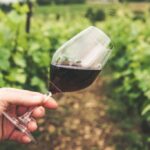
The wine typically displays pale straw to light golden yellow colors when young, developing deeper golden hues with age. Sweet versions and aged wines may show amber tones.
Aroma:
The aromatic profile is Riesling’s greatest strength, featuring:
- Fruit: Green apple, lime, lemon, peach, apricot, pear
- Floral: Jasmine, honeysuckle, orange blossom
- Mineral: Wet stone, slate, steel, petrol (with age)
- Herbal: Fresh herbs, sometimes a touch of spice
- Honey: Particularly in sweet versions and aged wines
Flavor:
On the palate:
- Primary Fruits: Crisp apple, citrus zest, stone fruits
- Secondary Notes: Honey, beeswax, toast (in aged examples)
- Mineral Finish: Often with a distinctive mineral backbone
- Sweetness Levels: From bone-dry to intensely sweet
- Balance: Sweetness is always balanced by vibrant acidity
Structure:
- Alcohol: Typically 8-13% ABV
 What Does A.B.V. Mean in Wine? What does… More (lower in sweet styles, higher in dry)
- Acidity: High natural acidity (6.5-8.5 g/L tartaric acid)
- Body: Light to medium-bodied
- Tannins
- Residual Sugar: Varies from 0g/L (dry) to 200g/L+ (dessert styles)

Aging:
Quality Rieslings age exceptionally well:
- Young (1-3 years): Fresh, primary fruit character
- Medium-term (5-10 years): Developing complexity, honey notes
- Long-term (15+ years): Petrol/kerosene notes, deep complexity
- Peak aging: Premium German versions can age 20-50+ years
Food Pairing:
Its versatility makes it excellent with diverse cuisines:
- Dry: Shellfish, sushi, goat cheese, Asian cuisine, pork
- Off-Dry: Spicy foods (Thai, Indian), barbecue, fruit-based desserts
- Sweet: Foie gras, blue cheese, fruit tarts, spicy cuisine
- Ice Wine: Rich desserts, strong cheeses, fruit-based sweets
Riesling Today
Modern Riesling is experiencing a renaissance as consumers rediscover its food-friendly character and exceptional quality-to-price ratio. Climate change has actually benefited many traditional Riesling regions, allowing for more consistent ripening while maintaining the grape’s signature acidity.
Contemporary winemakers are experimenting with new techniques while respecting traditional methods. There is an increased focus on single-vineyard expressions, natural winemaking approaches, and exploring Riesling’s potential in previously unconsidered regions.
The international wine community increasingly recognizes Riesling as one of the “noble” grape varieties alongside Chardonnay, with critics praising its ability to produce wines of extraordinary complexity and longevity at various price points.
Should You Try Riesling?
Absolutely. Riesling offers something for every palate and occasion:
For New Wine Drinkers: Off-dry versions provide an approachable introduction to wine with their fruit-forward character and refreshing finish.
For Adventurous Drinkers: The variety ranges from bone-dry to intensely sweet, offering endless opportunities.
For Food Lovers: Few wines pair as versatilely with cuisine, particularly Asian and spicy foods.
For Collectors: Premium wines age beautifully and often represent exceptional value compared to other age-worthy whites.
For Everyday Enjoyment: Quality wines are available at all price points, from everyday drinking wines to special occasion bottles.
Conclusion
Riesling stands as one of the wine world’s most expressive and versatile grape varieties. From its humble German origins to its global presence today, it continues to captivate wine lovers with its aromatic intensity, food-friendly character, and remarkable aging potential.
Whether you prefer the mineral precision of a dry German Riesling, the rich texture of an Alsatian example, or the exotic sweetness of an ice wine, this noble grape offers a lifetime of discovery. Its ability to reflect terroir, combined with its natural balance of fruit, acidity, and complexity, makes it not just a wine to try, but a variety to explore and appreciate over many years.
In an era of bold, oaked wines, Riesling’s pure expression of fruit and place offers a refreshing alternative that speaks to both tradition and innovation in winemaking.