
Classico
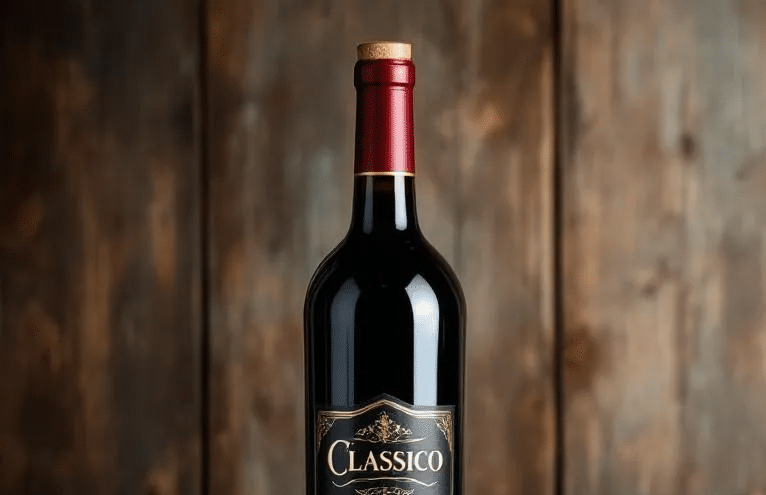
“Classico” does not refer to a specific wine; it is a designation used in Italian wine regions to denote the…
definition
“Classico” does not refer to a specific wine; it is a designation used in Italian wine regions to denote the historical heartland of a wine-producing area where different grape varietals are used to make wines. There are several different styles of classico wines:
Chianti (the most famous):
- Primarily Sangiovese (80-100%)
- May include small amounts of Canaiolo, Colorino, or international varieties like Cabernet Sauvignon
 Merlot is one of the world’s most widely… More (these are considered other grapes used in the blend)


The unique profile of Chianti Classico is produced using a careful blend of Sangiovese with other grapes such as Canaiolo, Colorino, and international varieties. Some Classico wines, especially higher classifications like Gran Selezione, must be made from grapes grown on the estate, while others may use purchased grapes to meet production needs. A winery’s use of estate-grown grapes is often associated with higher quality and authenticity, particularly for Gran Selezione. The quality of the soils and the presence of slopes in the Chianti Classico region contribute to the superior quality of the grapes and the resulting wine.
Valpolicella:
- CorvinaCorvina is an Italian red wine grape var… More (45-95%)
- RondinellaThe Rondinella grape varietal is native … More (5-30%)
- Corvinone and other local varieties
Soave:
- GarganegaGarganega is an ancient white grape vari… More (70-100%)
- Sometimes blended with TrebbianoWhat Kind of Wine Is Trebbiano? Trebbian… More di Soave

Characteristics
The characteristics vary by region, but there are many commonly shared qualities:
Chianti Classico: Medium to full-bodied red with bright acidity, vibrant fruit character featuring cherry, plum, and berry flavors, and expressive red fruit aromas. The wine is fruity, with distinctive notes of orange peel and a subtle hint of cedar that adds complexity. Herbal notes (dried herbs, tobacco), firm yet moderate tannins, and earthy undertones are present. The wine’s structure is supported by balanced tannins and acidity, complemented by well-integrated oak, contributing to its texture and aging potential.
On the palate, the wine develops with harmonious complexity and balance, showing a delicate yet refined strength and subtlety. The profile is marked by consistency and balance, especially in higher classifications. Oak aging enhances the wine’s flavor and structure. Chianti Classico DOCG guarantees quality and regulatory standards, with Riserva and Gran Selezione requiring a minimum maturation period—aging for at least 24 months for Riserva and 30 months for Gran Selezione.
Appreciated by wine lovers and connoisseurs for its quality, tradition, and Italian craftsmanship, it is considered a great wine, particularly in its Gran Selezione or Riserva forms. The region spans the provinces of Florence and Siena in Italy, reflecting the rich heritage of Italian wines.
Valpolicella Classico: Light to medium-bodied red with red cherry, almond, and floral notes. Fresh, vibrant acidity with a slightly bitter finish.
Soave Classico: Crisp white wine with citrus, almond, white flowers, and mineral notes. Elegant and refreshing.
The Black Rooster
In the heart of Tuscany, the black rooster—known as Gallo Nero—stands as the proud emblem of the Chianti Classico region and produces some of the most amazing wines on the planet. This iconic symbol is featured prominently on every single bottle and it’s so much more than just a pretty decorative label. It’s a mark of origin, tradition, and absolutely unwavering quality that wine lovers can count on!
The story of the black rooster dates back to the 13th century, during a fierce rivalry between the cities of Florence and Siena over the super fertile Chianti territory. According to legend, the two cities agreed to settle their boundary dispute with a unique horse race; each city would send a knight at dawn when their black rooster first crowed.
The Florentines were pretty clever in their strategy and kept their black rooster hungry and restless, causing it to crow well before sunrise. This early start allowed the Florentine knight to cover more ground, meeting the Sienese rider just 20 kilometers from Siena’s walls, enabling them to win a huge chunk of the coveted land for Florence. Since then, the black rooster has become a lasting symbol of the region’s incredible ingenuity and fighting spirit.
Today, the image of the Gallo Nero on the wine label is a guarantee that the wine was produced exclusively within the historic Chianti Classico territory, using traditional methods and indigenous red grapes like Sangiovese. The symbol guarantees that every wine made adheres to the strict standards set by the Chianti Classico Consortium, which was established in 1924 to protect and promote the authenticity of all quality tiers of the wines.
The black rooster embodies the deep connection between the land, the people, and represents the unique characteristics of the region’s wines—crafted from native grapes and shaped by the incredible Tuscan earth—but also stands as a symbol of the region’s core values: tradition, excellence, and community spirit that you can actually taste in every glass!
How To Enjoy Classico Wines
Serving:
- Red Classico wines: Serve at 60-65°F (15-18°C). Chianti Classico is traditionally served alongside meals to enhance the dining experience.
- White Classico wines: Serve chilled at 45-50°F (7-10°C).
Food Pairings:
- Chianti Classico: An easy-to-drink wine with bright red cherry aromas and subtle herbal notes, pairs beautifully with tomato-based pasta, grilled meats, aged cheeses, and Tuscan cuisine
- Valpolicella Classico: Excellent with lighter pasta dishes, roasted poultry, and risotto
- Soave Classico: Perfect with seafood, light appetizers, and fresh cheeses
Glassware: Use a medium-sized red wine glass for reds to allow aeration, or a white wine glass for Soave.
For more detailed tasting notes or pairing recommendations, consider consulting a review.
Conclusion
Classico wines represent the finest expression of Italy’s most historic wine regions. Whether you’re enjoying the robust character of Chianti Classico, the elegant freshness of Valpolicella Classico, or the crisp minerality of Soave Classico, you’re experiencing wines from the original, traditional heartlands where these styles were born. These wines offer excellent quality, authentic terroir expression, and pair wonderfully with Italian cuisine—making them both accessible for everyday enjoyment and sophisticated enough for special occasions.