
Rondinella
The Rondinella grape varietal is native to Verona, though its exact origins remain unknown. The grape was officially recognized by…
definition
The Rondinella grape varietal is native to Verona, though its exact origins remain unknown. The grape was officially recognized by ampelographers only at the end of the 19th century. Historical references to winemaking in the region date back centuries, with King Rotari of Rombard issuing protection for it and other grape varieties in 643 AD.
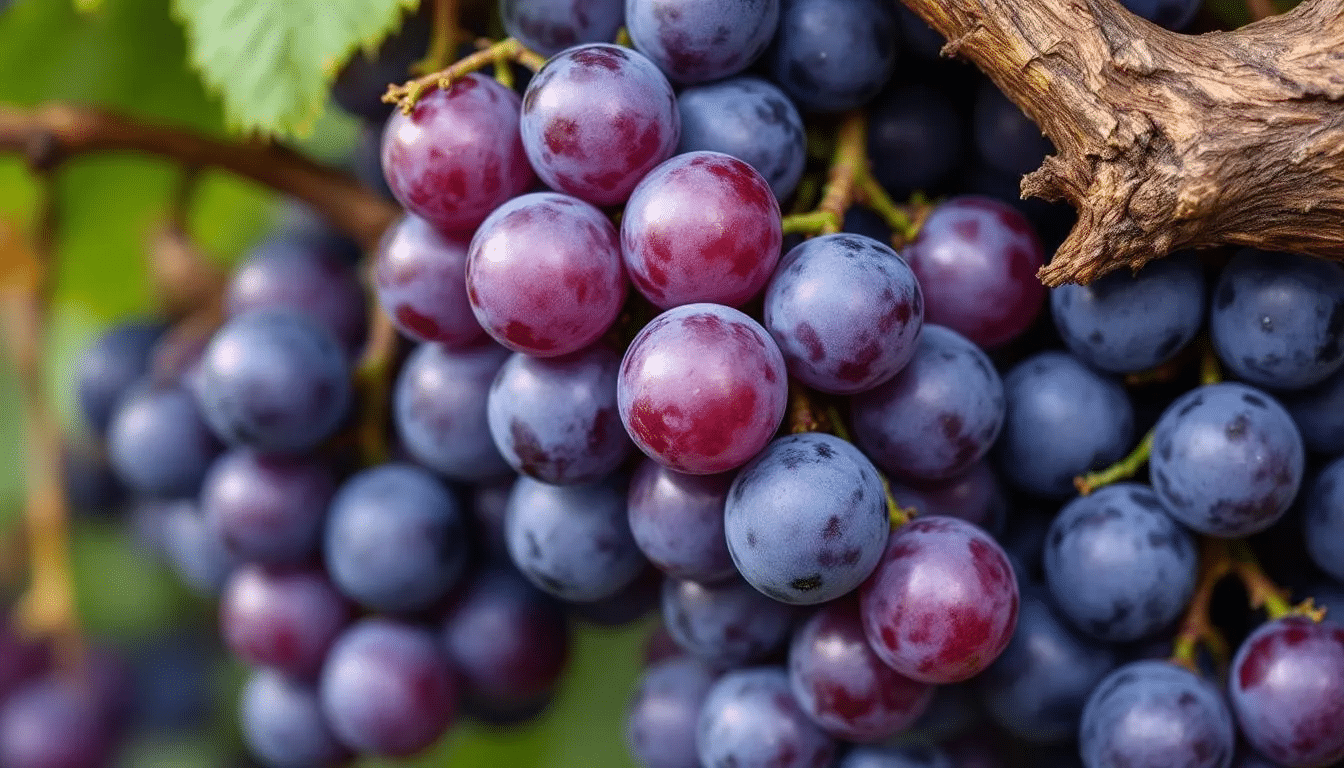
The name “Rondinella” translates to “little swallow” in Italian. This name likely derives from the black bluish color of its berries, reminiscent of dove plumage, though some suggest it references the grape’s small, round berries or even the birds’ fondness for eating them.
DNA profiling in the early 21st century revealed that Corvina is a parent variety to Rondinella, establishing an important genetic link between these two important grapes in Venetian winemaking.
What Makes Rondinella Unique
Rondinella stands out primarily for its viticultural rather than qualitative characteristics. The grape’s key attribute is its high yield, producing large quantities of grapes with a prolific and reliable consistency. This high yield makes it a favorite among growers, as it contributes to the overall efficiency and profitability of wine production, even though the wines produced from it alone tend to have relatively neutral flavors.
The grape demonstrates remarkable resilience. It’s fairly easy to grow, with great resistance to cold and drought, not susceptible to botrytis, and is very adaptive to different soil types. Its thick skin provides additional protection against disease and rot.
What truly distinguishes Rondinella is its thick skin that is resistant to rot and well suited to the appassimento method of drying grapes which makes it invaluable in producing Amarone and Recioto wines, where grapes are dried to concentrate sugars and flavors. The grape has high sugar content that creates a ruby red wine with intense, fruity, sometimes spicy aromas, good softness, body, and tannins.
Where Rondinella Grows
Rondinellis rarely grown outside the Veneto region of northeastern Italy and the vineyards are concentrated around Lake Garda, particularly in the Valpolicella and Bardolino areas near Verona.
In Italy, Rondinella occupies a significant footprint in its home territory. Small quantities are also grown in Australia, representing one of the few international plantings of this variety. The global total growing area remains modest, reflecting the grape’s specialized use in traditional Venetian wine blends.
The grape thrives in the limestone-rich soils and volcanic-basaltic terroirs of the Veneto hills, where vineyards often sit at elevations between 200-450 meters above sea level.
How Winemakers Use Rondinella
Rondinella is hardly ever produced as a varietal wine. Instead, winemakers employ it as a blending component, where it plays a crucial supporting role to more characterful varieties.
In traditional Venetian wine blends:
- Valpolicella: Rondinella typically comprises 20-30% of the blend alongside Corvina, Corvinone, and sometimes Molinara
 Molinara is characterized by an abundant… More
- Bardolino: The grape can account for up to 40% in these lighter wines
- Amarone della Valpolicella: Used in smaller proportions (5-30%) but essential for the appassimento process
- Recioto: The grape’s high sugar content makes it particularly valuable for this sweet dessert wineDessert wines are some of the most luxur… More style
- Ripasso: Contributes to this wine made by re-fermenting Valpolicella with Amarone grape skins

Rondinella is used to add herbal flavors to Corvina-based wines and to flesh out the blend. It contributes color intensity, body, and floral aromatics while helping balance the more assertive characteristics of Corvina.
Tasting Notes and Wine Specifications
Color:
Wines with Rondinella are characterized by an intense ruby red color with slight purple hues. The grape adds depth and vibrancy to the color profile of blended wines.
Aroma:
Young wines show distinct floral notes of violet, fruity notes of berries and blackberry, and slight vegetal notes of pepper. The bouquet is lively and fruity, full of red fruits and flowers with very light aromas of lavender and tomato. As wines age, balsamic and spicy notes emerge.
The wines often have a bitter almond finish with a red cherry note a characteristic signature of Rondinella’s contribution to blends.
Flavor:
When vinified alone, Rondinella gives an intense ruby red wine with a delicately fruity scent, medium body, good acidity, and little tannins. The flavor profile includes red berries, cherries, strawberries, and subtle herbal nuances. The grape provides a gentle sweetness balanced by refreshing acidity.
Structure:
Rondinella has good acidity, vigorous tannins (never rude or green), and a decent amount of elegance. It creates well-balanced wines that are solid if not spectacular in depth. The tannin structure is moderate, contributing smoothness rather than grip to blended wines.
Aging:
While young Rondinella-based wines emphasize fresh fruit and floral characteristics, aged versions develop more complex aromatic profiles with spice, balsamic notes, and deeper fruit concentration. The grape’s contribution becomes more integrated and harmonious with time.
Food Pairing:
Rondinella is very food-friendly and pairs well with many types of food, with its fruitiness perfect with grilled food. Recommended pairings include:
- Italian cuisine: pasta, pizza, and tomato-based dishes
- Grilled vegetables with black pepper
- Roasted meats and game
- Medium-aged cheeses
- For lighter Valpolicella and Bardolino styles: salads, antipasti, lighter fare
- For Amarone: hearty dishes like braised meats, richRich wine refers to wines that deliver a… More stews, and aged cheeses

Today
Rondinella remains an essential component of Venetian winemaking, valued more for its reliability and blending versatility than for standalone quality. Modern winemakers continue to appreciate its disease resistance, consistent yields, and suitability for the appassimento method.
The grape occupies a firmly established position in the DOC regulations for Valpolicella, Bardolino, and related appellations, ensuring its continued cultivation. While rarely found as a single-variety wine, Rondinella’s contribution to some of Italy’s most celebrated wines—particularly Amarone—secures its ongoing importance in the region’s viticultural landscape.
Should You Try It?
While you’re unlikely to encounter pure Rondinella wines, you’ll experience its contribution in virtually every Valpolicella, Bardolino, or Amarone you taste. These wines offer excellent entry points to understanding Rondinella’s role in Italian winemaking.
If you enjoy medium-bodied red wines with bright acidity, red fruit flavors, and subtle herbal notes, wines containing Rondinella will appeal to your palate. For those seeking more intensity, Amarone and Ripasso styles showcase how Rondinella performs in the appassimento method, developing richer, more concentrated characteristics.
Conclusion
Rondinella exemplifies the philosophy that great wines are often built on the strengths of supporting players rather than singular stars. While it lacks the bold character to shine alone, this humble Venetian grape provides essential structure, color, and balance to some of Italy’s most beloved wines.
Its reliability in the vineyard and compatibility with the traditional appassimento method have secured its place in winemaking history and contemporary practice. When you enjoy a glass of Valpolicella or Amarone, raise a toast to Rondinella—the unsung hero working quietly behind the scenes to make these wines possible.