
Closed
Closed wine (also called a “dumb“Dumb” wine is a term used to describe a… More phase” or “closed down”) refers…
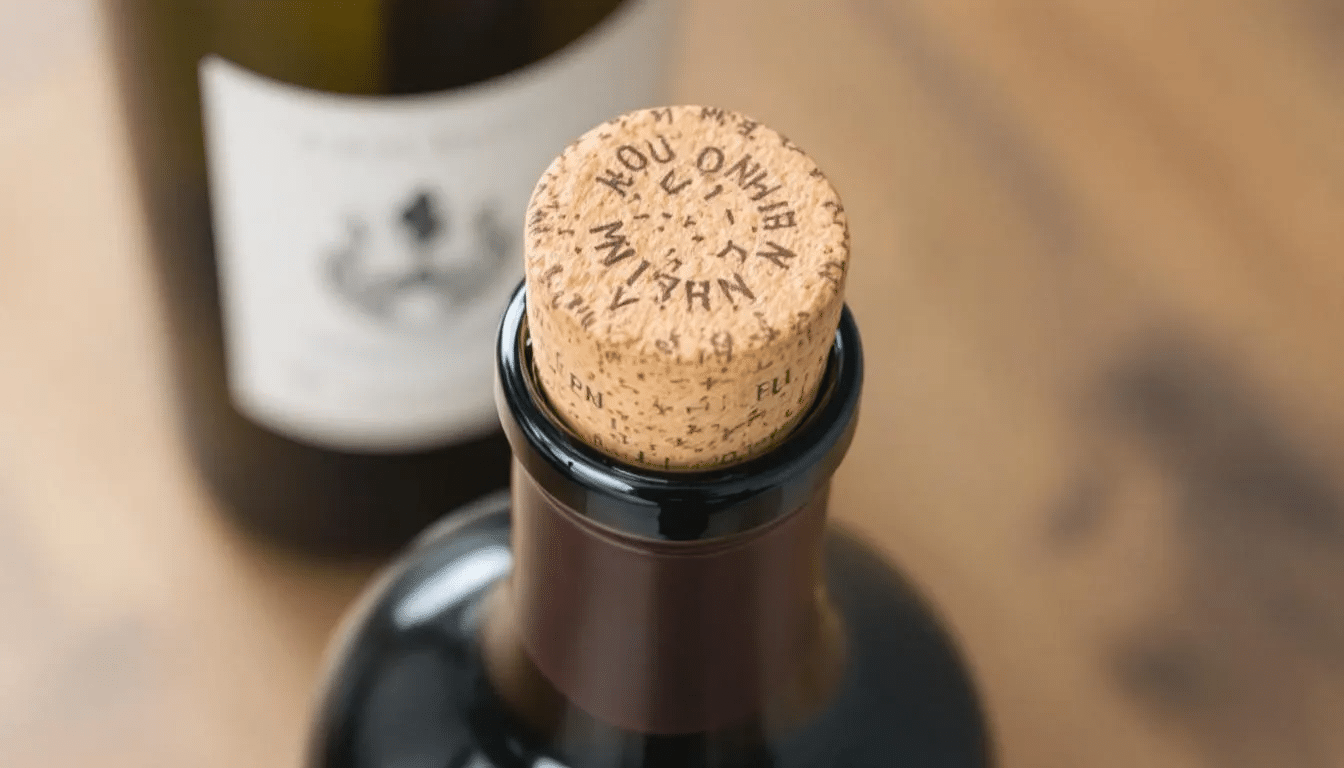
definition
Closed wine (also called a “dumb phase” or “closed down”) refers to a wine that is temporarily unexpressive, muted, or lacking in aromatic and flavour intensity. The wine seems to be “hiding” its qualities; it should be good, but it’s not showing much character at the moment, even though it may be a good wine. A closed wine can mask the qualities that make a good wine stand out, and may not provide a pleasant experience, even though it is not faulty.
This is a temporary condition where the wine’s aromas and flavours are suppressed or locked in, making it difficult to assess or enjoy the wine’s true potential. Tasting notes are often hard to discern in a closed wine.
Being closed is not a bad thing; it is a natural phase in a wine’s aging process. Even a great wine can go through a closed phase. Sometimes, bottle shock after recent movement or when a wine has just been bottled can cause it to be closed. Wines can be closed shortly after being bottled, but this is usually temporary. Only time can resolve a closed phase, so patience is important. When a wine is closed, it may not be talking to you yet, but it will reveal itself later as it continues its aging course.
Surely, it’s a common misconception that a closed wine is faulty, but in reality, it is just not ready to show its full character. Swirling the wine in a wine glass can help release some aromas, but tasting a closed wine may still not reveal its full character.
Characteristics
Muted aromas – little to no bouquet coming from the glass
- Flat or one-dimensional flavors – lacking complexity and depth; wines may also lack ‘sweet’ or other expected notes.
- Tight structure – the tannins

- Short finishFinish refers to the practice of aging s… More – flavors disappear quickly rather than lingering.
- Lack of fruit expression – fruit notes that should be present are barely detectable.


Different wines can exhibit closed characteristics in unique ways.
The wine isn’t unpleasant or faulty; it’s simply not communicating its qualities. The wine’s taste is restrained, making it feel introverted rather than expressive. Red wine is particularly prone to closed phases, especially during aging. Most wines can go through this phase at some point in their development. Sometimes, it can be difficult to decide whether a wine is closed or simply not high quality.
Is It a Fault?
No, it is not a fault. It’s a natural phase that many wines, particularly age-worthy reds and some quality whites, go through during their evolution. As wine ages, it can enter closed phases where aromas and flavors are temporarily muted—this is a normal part of the wine’s aging course. In fact, experiencing this phase can be a great thing, as it often indicates the wine has the potential to develop and improve with further aging.
This phenomenon is most common in:
- Young, structured wines shortly after bottling
- Wines going through “dumb phases” during aging (often occurring a few years after bottling)
- Wines that have recently been transported or disturbed
- Very cold wines where the temperature has temporarily suppressed aromatics
How to Fix It
Several techniques can help open up a closed wine:
Immediate solutions:
- DecantingWine decanting serves two primary purpos… More – Pour the wine into a decanter and let it breathe for 30 minutes to several hours. Decanting helps the wine open up by exposing it to oxygen, which can improve its aroma and flavor.
- Vigorous swirling – AerateWhat is the best way to aerate red wine … More the wine in your glass to introduce oxygen.
- Warming slightly – If the wine is too cold, let it warm to the proper serving temperature.
- Give it time in the glass – Simply waiting 15-30 minutes can help; sometimes, enough time is all that is needed for a closed wine to open.
- If you have opened a bottle of wine, reseal the bottle tightly and refrigerate it to preserve its quality. Opened wine should be consumed within a few days to maintain freshness and avoid spoilage.


Longer-term approach:
- Cellar it – If you have multiple bottles, store wine in a cool, dark place and ensure it is stored properly to avoid spoilage. Proper storage helps keep wine fresh and preserves its quality for future enjoyment.
- Wait after transport – Let bottles rest for at least a week or two after shipping or moving before opening them.
- If the wine is still closed and within its recommended drinking window, consider waiting and revisiting it later. An unopened bottle can be stored for future enjoyment if the wine is not ready yet.
What won’t help:
- Attempting to “fix” it with additives or manipulation—the wine needs time and oxygen.
- If a wine remains closed and develops off-odor aromas, it may be necessary to throw it out, as spoilage can occur. Changes in alcohol content and the presence of acetic acid bacteria can convert alcohol into acetic acid, causing the wine to smell like vinegar and become undrinkable.
Conclusion
Closed wine is a temporary, natural condition rather than a defect. It’s actually a sign that you may have an age-worthy wine with good structure and potential. While frustrating when you’re eager to enjoy a bottle, understanding this phenomenon helps you make better decisions about when to drink wines and how to handle them. Patience, proper storage, and adequate aeration are your best tools. If you encounter a closed wine, consider it an invitation to either decant generously or revisit the bottle at a later date when it will better reveal its true character.