
Petite Sirah
Petite Sirah (also known as Durif) is a grape variety that produces wines with intense color and bold, full-bodied flavors….
definition
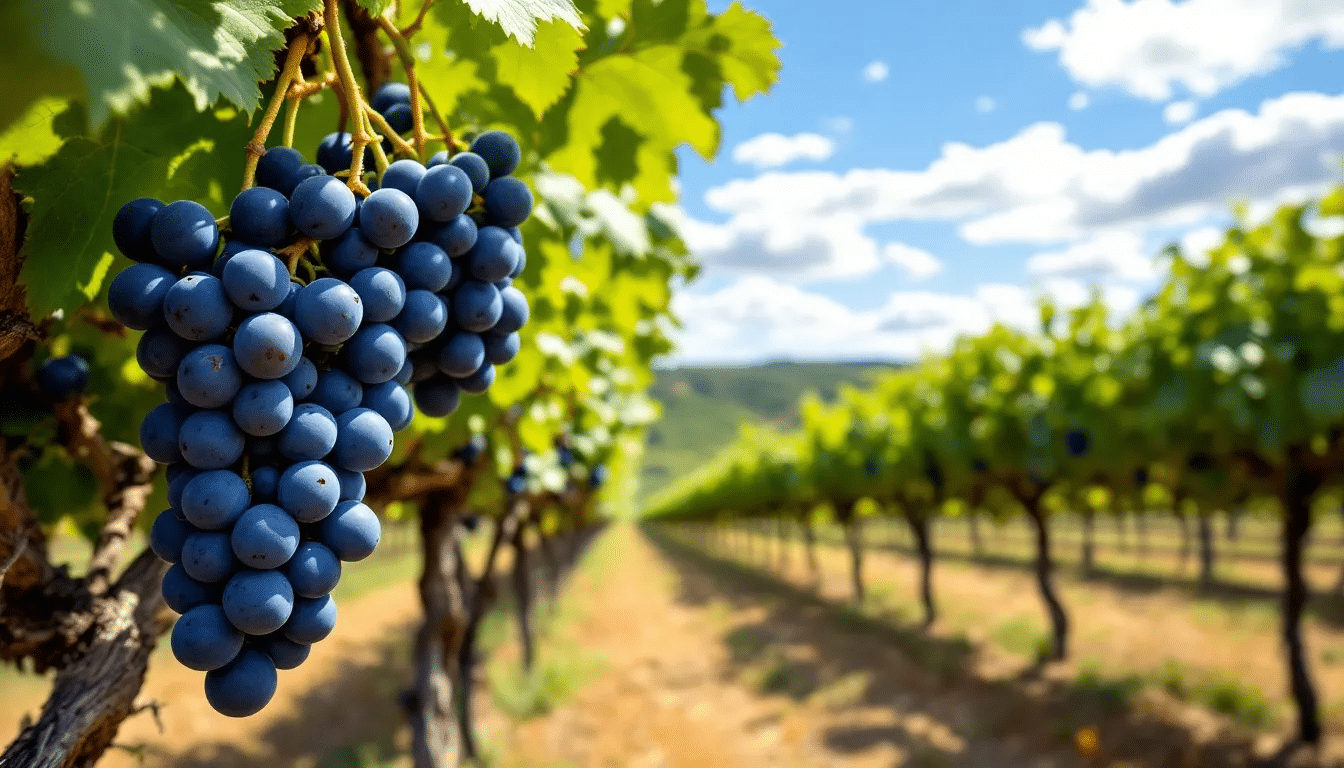
Petite Sirah (also known as Durif) is a grape variety that produces wines with intense color and bold, full-bodied flavors. Despite what its name might suggest, “Petite” refers to the small size of its berries (not the scale of its taste, which is anything but petite!). This grape’s journey began in France in the mid-1800s, but it has since found a true home in regions like California, Australia, and Israel, where it thrives in diverse climates and soils that would challenge many other varieties.
What sets Petite Sirah apart is its ability to deliver a rich, concentrated taste experience that will knock your socks off! The grape’s small berries pack a serious punch, resulting in wines with deep hues and robust tannins that make quite an impression. Petite Sirah vines are known for their vigor and high yields (these plants really know how to produce!), but careful vineyard management is essential to achieve the perfect balance of flavor and structure in the finished wine. This attention to detail is one reason why over 164 growers and nearly 900 producers in California alone are dedicated to cultivating this distinctive grape variety – that’s quite a following for one grape!
Often compared to Cabernet Sauvignon and Syrah, Petite Sirah stands out for its unique flavor profile! It offers a combination of dark fruit, spice, and a signature intensity that appeals to adventurous wine lovers. Whether grown in the sun-drenched vineyards of California or in the innovative wine regions of Australia and Israel, Petite Sirah continues to win over both producers and enthusiasts with its rich character and remarkable versatility, which adapts beautifully to different terroirs.
Origins Of Petite Sirah
Petit Sirah (also spelled Petite Sirah and sometimes ‘petite syrah’) has a fascinating origin story that begins in 19th-century France. The grape was created by botanist François Durif in Montpellier, France, around 1880. At the time, Durif was considered a new grape variety, bred specifically to improve disease resistance. The grape is a cross between Syrah and the even rarer Peloursin. This crossing occurred by chance in Durif’s nursery, earning the grape its original name “Durif.”
It was imported to America by Charles McIver in the mid-1880s, where it got its new name: Petit Sirah. ‘Petite Sirah’ is the American name for the grape, distinguishing it from ‘Durif’ used elsewhere. The “Petit” in its name actually refers to the small size of the grape clusters and berries, not the wine’s intensity, which is anything but small.
What Makes Petit Sirah Unique
Petite Sirah stands apart from other red wine varietals in several distinctive ways. Despite their similar names, these are completely different grapes with unique characteristics. Petite Sirah is a cross between Syrah and Peloursin, a rare French grape from the Rhone-Alpes region.
The grape produces wines with remarkable depth and concentration. These wines have the same inky opaque color, bursting with jammy, fruity notes—especially blackberry, blueberry, and plum—creating some of the darkest red wines you’ll encounter. The intensity doesn’t stop at color—Petite Sirah is a classic example of a tannic wine, rich in fruit-flavored notes and known for its high levels of tannins and acidity, which contribute to its robust structure and aging potential.
What truly sets Petite Sirah apart is its extraordinary aging potential. Petite Sirah can age for decades. In fact, it often demands 2 decades or more of cellaring before it becomes civilized and fun to drink. This longevity rivals some of the world’s greatest age-worthy wines.
Where Petite Sirah Grows In The World
While Petite Sirah originated in France, its true home has become California. Petite Sirah grapes are most widely grown in California. Petite Sirah can be featured as a varietal wine in California regions such as Lodi, Sierra Foothills, Livermore, Paso Robles, Santa Barbara, and California’s Central Valley, which is known for significant plantings of the grape. Until the early 1960’s, Petite Sirah was one of the most popular grape varieties planted in California, or at least in the Napa Valley.
The grape’s reach extends beyond California’s borders. While most Petite Sirah is grown in California, its popularity is expanding internationally, particularly in Australia and South Africa, where it is also known as Durif. Smaller amounts of Petite Sirah grapes are produced in Australia and South America. In addition, Chile and Mexico have plantings of Petite Sirah, each producing wines with distinct regional characteristics influenced by their unique climates.
Different regions produce distinct expressions of the grape. Cool-climate Petite Sirah, such as in Sonoma, typically emphasizes red fruit and chocolate flavors, while warmer-climate versions tend toward darker, more intense characteristics.
Winemaking
Winemakers appreciate Petite Sirah both as a standalone varietal and as a blending component. It is not easy to get your hands on a bottle of 100% Petite Sirah because it is ideal for blending with other red grape varieties. Its deep color, high tannins, and concentrated flavors make it an excellent blending partner for varietals that might benefit from additional structure and intensity.
When crafted as a single varietal, winemakers often employ oak aging to complement the grape’s natural characteristics. The wine benefits from time in barrel, where it can develop additional complexity while softening its naturally high tannins.
The grape’s thick skin contributes to its intense color and tannin structure, requiring careful winemaking techniques to balance its power with elegance. Many producers allow extended maceration periods to fully extract the grape’s potential while managing its formidable tannins.
Comparison to Other Wines
When exploring Petite Sirah, it’s only natural to compare it to other well-known wines like Cabernet Sauvignon, Syrah, and Zinfandel. While Petite Sirah shares a reputation for boldness and structure with Cabernet Sauvignon, it often delivers a much denser, more fruit-forward flavor profile (concentrated notes of blackberry, blueberry, and plum). Its tannic backbone is quite similar to Cabernet, but Petite Sirah’s texture tends to be way silkier, with a richness that completely fills your palate.
Compared to Syrah, Petite Sirah is even more robust and tannic, with darker fruit flavors and a deeper, almost inky color. The grape’s naturally high tannins and super concentrated flavors make it a real favorite for those who enjoy bold, tannic wines with a smooth, velvety finish. Petite Sirah’s unique character also makes it an incredibly valuable blending grape, especially with Zinfandel! When blended together, it adds serious structure, rich color, and amazing depth, balancing out Zinfandel’s jammy, fruit-driven style perfectly.
Oak aging plays a huge role in shaping Petite Sirah’s personality. The wine often requires extended time in a barrel to soften its powerful tannins and develop layers of complexity, including wonderful notes of vanilla, mocha, and warm spice. This aging process really enhances the wine’s ability to pair with rich, hearty foods—think perfectly grilled meats, slow-braised short ribs, and robust stews that can totally stand up to its bold flavors.
Tasting Notes and Wine Specifications
Color:
These wines have the same inky opaque color, often appearing almost black in the glass. This intense, dark purple hue is one of Petite Sirah’s most distinctive visual characteristics.
Aroma:
Expect aromas of blackberry jam, brambles, and black pepper, along with notes of vanilla from oak aging. You can expect the Petite Sirah aroma from warmer climates to include blackberry jam, black pepper, and menthol, as well as vanilla and lavender from oak aging.
Flavor:
Depending on how the grapes were grown and when they were harvested, the wines are often full of dark fruit like blackberry and blueberry, but also feature savory notes of herbs, licorice, and black pepper. Most examples of Petite Sirah can be expected to have flavors of dark berries, espresso, chocolate, leather, and subtle notes of smoke and baking spices. Common tasting notes include blackberry, blueberry, and plum, often accompanied by hints of black pepper, licorice, and dark chocolate.
Structure:
On the palate, rich, bold tannins complement the sweet, berry-like flavors, and the acidity is smooth. The wine’s high tannin content and moderate acidity provide structure. Petite sirah has a somewhat short finish, but its robust structure means that reserve petite sirah can age for decades.
Aging:
Forty-year-old bottles can be fresh, concentrated, and vibrant. Examples aged in oak barrels in the Bordeaux Bordeaux is one of France’s most famous … More style can have flavors of vanilla and mocha. The wine’s high tannin content and concentrated fruit make it an excellent candidate for extended cellaring.
Food Pairing:
The grape craves big red-wine fare: meat, meat, and more meat. From slow-cooked brisket to smoked sausages, rich braises and stews, and charcoal-grilled steaks, dishes for carnivores will nearly always please the Petite Sirah drinker. You will want something strong in flavor and texture. Aged Gouda, Camembert, and blue cheese are good choices for a cheese and wine night featuring Petite Sirah.
The wine’s bold character pairs exceptionally well with:
- Grilled and barbecued meats
- Rich stews and braised dishes
- Game meats
- Aged, strong cheeses
- Dark chocolate desserts, as well as desserts with cinnamon, such as blueberry pie with cinnamon
- Hearty pasta dishes with meat sauces
Petite Sirah Today
Today, Petite Sirah occupies a unique niche in the wine world. While it may not have the widespread recognition of Cabernet Sauvignon or Pinot Noir, it has developed a dedicated following among wine enthusiasts who appreciate its bold, uncompromising character.
California remains the grape’s stronghold, with passionate producers continuing to craft exceptional examples that showcase the variety’s potential. The wine has found particular success in warmer regions where the grape can achieve full ripeness while maintaining its characteristic intensity.
Modern winemaking techniques have helped tame some of Petite Sirah’s more austere qualities without sacrificing its essential character. Today’s examples often show more approachable tannins in their youth while retaining the aging potential that makes the variety special.
Petite Sirah is not a wine for the faint of heart, but for those seeking bold, intense red wine experiences, it offers something truly unique. If you enjoy full-bodied wines with substantial structure and aren’t afraid of high tannins, Petite Sirah could become a favorite.
The wine is particularly appealing to collectors due to its exceptional aging potential. Few varietals offer the combination of power, complexity, and longevity that Petite Sirah provides. For those building a cellar, it represents excellent value compared to other age-worthy reds.
Wine enthusiasts who appreciate Cabernet Sauvignon, Barolo, or other structured reds will likely find much to love in Petit Sirah. Its intense fruit flavors and robust structure make it an excellent choice for special occasions or pairing with rich, flavorful foods.
Conclusion
Petite Sirah stands as one of wine’s great success stories of adaptation and evolution. Born from a chance crossing in 19th-century France, it found its true calling in California’s diverse wine regions. This remarkable grape produces wines of extraordinary depth, intensity, and aging potential that rival the world’s greatest reds.
While Petite Sirah may demand patience—both from the vine to the cellar—it rewards those willing to explore its depths with some of wine’s most memorable experiences. Its bold character, distinctive flavor profile, and impressive longevity make it a grape worth discovering for any serious wine enthusiast.
Whether you’re drawn to its inky color, complex aromatics, or legendary aging potential, Petite Sirah offers a wine experience unlike any other. In a world of increasingly homogenized wine styles, Petite Sirah remains defiantly individual—a true original that continues to surprise and delight those bold enough to explore its depths.