
Bordeaux
Bordeaux is one of France’s most famous and significant wine-producing areas that has a richRich wine refers to wines that…

definition
Bordeaux is one of France’s most famous and significant wine-producing areas that has a rich history that spans more than two thousand years, and is nestled in the curve of the Garonne River. The Bordeaux Wine region is part of the larger Aquitaine region in southwest France. To the north of the city, the Dordogne River joins the Garonne, forming the broad estuary called the Gironde.
The Bordeaux wine region encompasses the entire Gironde department. The confluence of the Garonne and Dordogne rivers creates the Gironde estuary, which divides the region into two distinct zones known as the Left Bank and Right Bank. The Bordeaux region is divided into several sub-regions, each with its own unique characteristics, contributing to the diversity of Bordeaux wine regions. Notable sub-regions include Saint-Emilion, located on the Right Bank, which is renowned for its red blends made primarily from Merlot and other Bordeaux varietals.
Introduction
The Bordeaux wine region, is revered for its rich history and winemaking traditions that produce some of the most famous and expensive wines in the world and Bordeaux wines are renowned for their complexity, elegance, and remarkable aging potential, making them a top choice for wine lovers and collectors alike. The region is home to over 10,000 wine producers, including legendary names such as Chateau Latour, Cheval Blanc, and Chateau Haut Brion, famous vineyards that have helped shape Bordeaux’s global reputation.
Bordeaux produces a diverse array of wines, from robust red wines and crisp white wines to luscious sweet wines. The iconic red Bordeaux blend, crafted from grape varieties like Cabernet Sauvignon, Merlot, and Cabernet Franc, is especially prized for its balance and depth. Bordeaux’s white wines, often made from Sauvignon Blanc and Semillon, are equally esteemed for their freshness and finesse. Whether you’re savoring a classic red Bordeaux or exploring the region’s sweet wines, Bordeaux remains a cornerstone of the wine world, offering something exceptional for every palate.
How Many Appellations Are There in Bordeaux?
Bordeaux has 57 Bordeaux appellations, though some sources cite different numbers ranging from 53 to 65 depending on how the sub-appellations are counted. There are 65 Bordeaux appellations within Bordeaux with 65 different wine styles. Each Bordeaux appellation has its own specific regulations, permitted grape varieties, and quality standards.
The establishment of Bordeaux appellations occurred primarily in the 20th century as part of France’s AOC (Appellation d’Origine Contrôlée) system. Historians date the first vineyards from the 2nd century AD, but formal appellation recognition came much later. The wines produced across these appellations display a remarkable diversity in style, grape composition, and quality, reflecting the unique terroirs of each area. Bordeaux introduced the concept of classification in 1855 under Napoleon III, and it now serves as an expression of quality and prestige worldwide. Only a few wines from these appellations achieve the highest levels of prestige and recognition, such as the First Growths.
Key appellations include:
- Bordeaux AOC: The largest and most basic appellation
- Médoc: Established for Left Bank communes
- Saint-Émilion
 Saint-Émilion is located in the Right Ba… More: One of the oldest wine regions
 - Pomerol: Small but prestigious Right Bank appellation
- Sauternes: Famous for sweet dessert wines
- Pessac-Léognan: Premium Graves sub-region
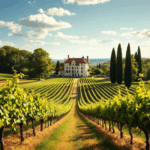
Many appellations were officially recognized between 1936 and the 1980s, with some receiving updates and refinements as recently as the 2000s.
What Makes Bordeaux Unique
Historical Significance: Because of the combination of longevity, fairly large production, and an established reputation, Bordeaux wines tend to be the most common wines at wine auctions. The region has been producing wine for nearly 2,000 years and has developed an unparalleled reputation for quality and prestige. Bordeaux is renowned for producing fine wines recognized worldwide for their excellence.
Blending Tradition: The red wine is a unique blend of at least two varietals from the region — Cabernet Sauvignon, Merlot, and Cabernet Franc, while the dry and sweet whites are comprised of Sauvignon Blanc and/or Semillon. This blending philosophy creates complexity and balance rarely found in single-varietal wines, resulting in great wines that are celebrated for their depth and harmony.
Classification System: The 1855 Classification and the Saint-Emilion 1955 classification have created a hierarchy of quality that serves as a global benchmark for wine excellence. These systems help identify high quality wines and guide consumers in discovering Bordeaux’s best offerings.
Terroir Diversity: The region’s diverse soils, microclimates, and topography create distinct wine styles across different appellations, from the gravelly Left Bank to the clay-limestone Right Bank. These unique conditions contribute to the production of age worthy wines that develop remarkable complexity and character over time.
Different Styles and Colors in Bordeaux
Bordeaux produces wines in multiple styles and colors:
Red Wines
- Left Bank Style: In left bank wines, Cabernet Sauvignon is the dominant grape, resulting in structured tannins, cassis flavors, and excellent aging potential.
- Right Bank Style: Merlot-dominant blends with softer tannins, plum and chocolate notes, and earlier approachability
- Generic Bordeaux: More accessible, everyday drinking wines from the broader regional appellation
White Wines
- Dry Whites: Bordeaux is renowned for its dry white wines as well as sweet and sparkling styles. White wine produced under the Bordeaux Sec AOC is made mostly from Sauvignon blanc and Sémillon, with the addition of some Muscadelle, ColombardColombard is a crisp, refreshing white w… More, Mauzac, Merlot blanc, Ondenc and Ugni blancUgni Blanc is an ancient white grape var… More. It mustWhat is Must Creating must is the first … More contain no more than 4g/L of residual sugarResidual sugar (often abbreviated as RS)… More. Dry white wine from this region is prized for its freshness and versatility.
- Sweet Whites: Dessert wines from Sauternes and Barsac, made with botrytis-affected grapes
- CrémantCrémant’s story begins in 1531; it is th… More de Bordeaux: Sparkling winesthat are fermented using the traditional method


Rosé Wines
- Bordeaux Rosé: Light, fresh wines perfect for summer consumption
- Bordeaux Clairet: A darker rosé style unique to the region
How Many Hectares Of Vineyards Are There in Bordeaux
The Gironde department, with a total vineyard area of 110,800 hectares, is the second largest wine-growing area in France behind the Languedoc-Rousillon. Bordeaux vineyards are renowned for their historical significance, unique terroirs, and picturesque landscapes, attracting wine lovers from around the world to explore regions such as Saint-Emilion, Médoc, Graves, Pessac-Léognan, and Pomerol. However, recent reports indicate a significant reduction in vineyard area. Bordeaux will have less than 100,000 hectares of vineyard area for the first time at the end of the year. Clearings and closures are pushing the vineyard area below this mark. In 2019, it was still 115,000 ha.
This reduction reflects market challenges and changing consumption patterns. The Bordeaux AOC alone covers around 42,600 hectares of vines and produces around 223 million litres of wine (which is nearly a third of the total wine production of Bordeaux). The organization of Bordeaux vineyards is closely tied to the wine estate structure, with many family-run or historically significant wine estates managing and preserving the region’s viticultural heritage.
Signature Wines
Bordeaux’s signature wines represent the pinnacle of winemaking excellence. Bordeaux is home to some of the best wines and best wineries in the world, attracting wine lovers seeking exceptional vineyard experiences. Whether you are searching for the best wine from a renowned estate or exploring the region’s diverse offerings, Bordeaux delivers unmatched quality and prestige.
Left Bank Icons
- Château Margaux: Elegant, perfumedPerfumed refers to wines that exhibit pr… More wines from the Margaux appellation
- Château Lafite Rothschild: Refined, aristocratic wines from Pauillac
- Château Latour: Powerful, structured wines built for aging
- Château Haut-Brion: Historic estate in Pessac-Léognan with unique terroir
- St-Julien: Distinguished Left Bank appellation renowned for its elegant, harmonious red wines and a high proportion of classified estates

Right Bank Legends
- Château Pétrus: The most famous Pomerol, nearly 100% Merlot. Pomerol wines are renowned for their velvety texture, richness, and prestige, with Château Pétrus exemplifying the high quality and soft, Merlot-dominant style of the appellation.
- Château Le Pin: Tiny production, cult status Pomerol
- Château Cheval Blanc: Saint-Émilion Premier Grand Cru
- Château Ausone: Ancient vineyard on Saint-Émilion’s limestone plateau

Sweet Wine Champions
- Château d’Yquem: The king of Sauternes sweet white wines, renowned for its luxurious, dessert-style wines made from grapes affected by noble rotNoble rot (known in French as pourriture… More (Botrytis Cinerea).
- Château Climens: Premier CruA Premier Cru wine represents one of the… More Classé Barsac, also celebrated for its exceptional sweet white wines crafted using similar traditional methods.


Grape Varietals
Red Grape Varieties
Cabernet Sauvignon: Provides structure, tannin, and aging potential. Dominant on the Left Bank where gravelly soils suit its late ripening nature.
Merlot: Offers softness, fruit, and earlier approachability. Thrives on the Right Bank’s clay-limestone soils.
Cabernet Franc: Adds elegance, spice, and aromatic complexity. Important blending component throughout Bordeaux.
Petit Verdot: Provides color, tannin, and spice in small quantities.
Malbec: Historical variety still used in tiny amounts for color and structure.
White Grape Varieties
Sauvignon Blanc: Contributes acidity, freshness, and citrus notes to dry whites.
Sémillon: Provides body, richness, and waxy texture. Essential for sweet wines due to botrytis susceptibility.
Muscadelle: Adds floral aromatics and complexity in small proportions.
Terroir and Climate
Climate
The Bordeaux Wine region enjoys a temperate oceanic climate moderated by the Atlantic Ocean and the Gironde estuary. This maritime influence provides:
- Mild winters and warm summers
- Regular rainfall throughout the year
- Protection from extreme temperature variations
- Humid conditions can promote botrytis for sweet wine production
Soil Types
Left Bank: Gravelly soils from ancient river deposits provide excellent drainage and heat retention, ideal for Cabernet Sauvignon.
Right Bank: Clay-limestone plateaus and côtes (slopes) retain moisture and suit Merlot’s needs.
Entre-Deux-Mers: Mixed soils between the rivers, suitable for white wine production.
Topography
The region’s gentle hills, river valleys, and varying elevations create numerous microclimates that contribute to the diversity of wine styles across different appellations.
Wine and Food Pairing
Bordeaux wines are celebrated not only for their quality but also for their incredible versatility at the table. Red Bordeaux wines, with their structured tannins and layered flavors, are a natural match for hearty dishes such as grilled red meats, game, and aged cheeses. The refined wines of the Margaux appellation, for instance, are renowned for their elegance and pair beautifully with delicacies like foie gras or roasted duck, enhancing both the food and the wine.
White Bordeaux wines, particularly those crafted from Sauvignon Blanc and Semillon, are crisp, aromatic, and refreshing. These white wines shine alongside seafood, fresh salads, and lighter fare, making them a favorite choice for summer dining or as an aperitif. The Graves region is especially known for producing some of the best white Bordeaux wines, which offer vibrant acidity and subtle complexity.
For those with a sweet tooth, Bordeaux’s sweet wines—most famously from the Sauternes region—are a true delight. These dessert wines, with their rich, honeyed notes and silky texture, are perfect partners for fruit-based desserts, blue cheeses, or simply enjoyed on their own as a luxurious treat. No matter the occasion or menu, Bordeaux wines offer endless possibilities for memorable food and wine pairings.
Conclusion
Bordeaux remains the world’s most prestigious wine region, combining centuries of winemaking tradition with modern innovation. Its 57 appellations produce an extraordinary range of wine styles, from everyday drinking wines to legendary bottles that can age for decades. Average vintages produce over 700 million bottles of wine, ranging from large quantities of daily table wine to some of the world’s most expensive and prestigious wines.
The region’s unique terroir, characterized by diverse soils and a maritime climate, creates optimal conditions for both red and white wine production. The traditional Bordeaux blend philosophy, combining complementary grape varieties, results in wines of remarkable complexity and balance.
Despite current challenges including reduced vineyard area and changing market conditions, Bordeaux’s commitment to quality and its established reputation ensure its continued position as the global benchmark for fine wine. Whether you’re exploring an approachable Bordeaux AOC or investing in a First Growth, the wines of Bordeaux offer an unparalleled journey through terroir, tradition, and excellence.
The region’s classification systems, established over centuries, provide guidance for consumers while maintaining standards that have made “Bordeaux” synonymous with wine quality worldwide. From the structured Cabernet Sauvignon blends of the Left Bank to the elegant Merlot-based wines of the Right Bank, and from crisp dry whites to luscious dessert wines, Bordeaux truly offers something for every wine lover’s palate and cellar.