

A Guide to Champagne Production Equipment

The winemaking world is filled with fascinating processes, but few are as complex as the methods used to make Champagne The Champagne region is approximately 15... More. Transforming simple grapes into sparkling effervescence demands precision, expertise, and the right champagne production equipment. Whether you’re an enthusiast dreaming of crafting your own bubbly concoction or just curious about what goes into each bottle, this journey into the world of Champagne is certain to uncork some intrigue.
Crafting Champagne goes beyond simply fermenting grape juice; it’s a multi-faceted process involving specific techniques and tools that have been perfected over several centuries. Each piece of Champagne production equipment plays a crucial role, from initial fermentation vessels to the final bottling. We’ll jump into the specifics later, but it's important to understand how Champagne earns those celebratory bubbles.
Table of Contents
The Magic of Méthode Champenoise
While many sparkling wines exist, true Champagne can only be made in the Champagne region of France. More specifically, it's the “Méthode Champenoise” that sets this sparkling wine apart. This traditional method involves a secondary fermentation process inside wine bottles sealed with a crown cap.
This secondary fermentation, called the " Méthode Champenoise," creates Champagne's signature bubbles. This meticulous process requires specific Champagne yeast Wine yeast is a microorganism essential ... More, yeast nutrients, and even specialized Champagne bottles to withstand the pressure.
Essential Champagne Production Equipment: A Closer Look
Making Champagne demands specialized tools to achieve the delicate balance of flavors and effervescence. This equipment overlaps with traditional winemaking, while some are tailored specifically for the Méthode Champenoise. Here’s a closer look at the essentials:
1. Presses: Extracting the Precious Juice
Like in still wine production, the journey begins by extracting juice from the grapes. However, Champagne production equipment for pressing Pressing is the process of extracting ju... More often includes specialized pneumatic presses. Unlike traditional basket presses, these are gentler, slowly pressing the grapes to release a clear, high-quality juice crucial for fine Champagne.
2. Fermentation Tanks: First Steps Toward Transformation
Stainless steel Stainless steel wine tanks and equipment... More tanks are favored for Champagne's initial fermentation, offering critical temperature control in those early stages. This first fermentation transforms sugar into alcohol, laying the foundation for the magic ahead. Winemakers often rely on clarifying agents to achieve the desired clarity during this stage.
3. Bottling Equipment: Where the Magic Bubbles Begin
This stage is where Champagne production equipment diverges from its still wine counterparts. After the first fermentation, a blend of wines called 'cuvée' gets transferred to individual wine bottles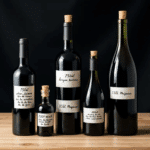 The history of wine bottles is fascinati... More along with a mixture of yeast and sugar – the liqueur de tirage
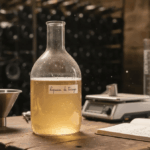 Tirage is a French term (“drawing” or “p... More and then is sealed with a crown cap.
This addition kickstarts the secondary fermentation directly within the bottle, trapping carbon dioxide and giving us the beloved Champagne bubbles. Specialized bottle fillers are essential at this stage to ensure accurate and hygienic filling.
4. Riddling Equipment: A Slow and Steady Tilt
Champagne bottles undergo weeks, sometimes months, of a process known as “riddling.” This involves gradually tilting the wine bottle neck down to encourage yeast sediment to collect in the neck, near the cap for easier removal later on.
Traditionally done by hand, modern Champagne production equipment like gyro palettes, as explained by Winequip, has automated this labor-intensive process. This automation allows for greater efficiency and consistency in larger-scale Champagne production.
5. Disgorging Equipment: Expelling the Yeast
The dead yeast cells must What is Must Creating must is the first ... More be removed before the final cork pops. “Disgorging,” traditionally a skilled manual task, often employs specialized freezing equipment in modern setups. The dead yeast cells freeze by temporarily freezing the bottleneck, creating a plug that is easily expelled with minimal loss of pressure and precious Champagne.
Maisons Champagne's educational videos demonstrate this process, which is crucial to achieving a crystal-clear final product free from undesirable sediment.
6. Dosage Equipment: Adding the Finishing Touch
After disgorging, a small amount of 'dosage'— typically a mixture of wine and sugar —is added to top up the bottle using equipment that precisely measures and dispenses the dosage, determining the Champagne's final sweetness level from extra brut to doux.
The dosage also helps to balance the acidity and enhance the complexity of the final product. This step requires precise Champagne production equipment to ensure consistency across each bottle.
7. Corking & Caging Machines: Ensuring Every Bubble Counts
Securing those hard-earned bubbles is no small feat. Champagne production equipment uses robust corking machines to firmly insert the mushroom-shaped Champagne corks. Immediately after, a wire cage or Muselet A muselet is a wire cage that fits over ... More is secured over the cork to withstand the significant pressure those lively bubbles generate. The Muselet and cork are then covered with Champagne Capsules - the bright, shiny foil that covers the top of the bottle and is pleasing to the eye.
This step is crucial for preserving the quality and effervescence of the Champagne during storage and transportation. Without proper corking and caging, the Champagne could lose its bubbles or explode due to the pressure.
8. Labeling and Packaging: The Final Touches
Once corked Corked wine is caused by cork taint, a c... More and caged, Champagne bottles are ready for labeling and packaging— another area where specialized equipment ensures consistent and efficient handling. These range from automated labeling machines to sophisticated packaging systems.
From applying labels to packing bottles into cases, this stage prepares the Champagne for distribution to eager consumers worldwide. Each bottle is handled with care to maintain its premium quality and presentation.
Investing in Champagne Dreams: Choosing the Right Equipment
Whether for a large-scale Champagne house or an ambitious homebrewer venturing into Méthode Champenoise, the choice of Champagne production equipment significantly impacts both process efficiency and the final product's quality. When making purchasing decisions, here are some things to keep in mind:
Scale and Output
Champagne production equipment varies greatly in size and capacity to accommodate various needs. Finding the right match is key, from manual equipment ideal for small batches to fully automated lines suitable for larger Champagne producers.
This impacts not only volume output but also investment costs and even required workspace. Assessing your production goals and available space will guide you toward the appropriate scale of equipment required for successful Champagne production.
Level of Automation
Champagne production can involve labor-intensive processes, particularly riddling, disgorging, and dosage. While smaller producers may opt for manual or semi-automatic equipment, larger operations often rely on automated solutions.
The level of automation you choose will depend on factors like your budget, desired production volume, and the availability of skilled labor. Automating certain tasks can increase efficiency, reduce labor costs, and improve consistency.
Budget Considerations
Costs can vary drastically, making careful budget consideration essential. Manual equipment might offer a more affordable starting point, while fully automated systems demand a significant financial commitment.
Balancing desired features, production capacity, and budget is key to a successful output. When making your decision, consider the long-term return on investment and factor in potential maintenance costs.
Supplier Reputation and Expertise
Choosing the right supplier is just as vital as selecting individual pieces of equipment. Look for suppliers with a strong track record of quality and reliability, like Criveller Group, who offer an extensive range of options for each step of the Méthode Champenoise. Don’t hesitate to contact different companies, request quotes, and seek guidance in choosing the best champagne production equipment for your unique goals.
The Last Sip
Creating Champagne is an artful dance of tradition and innovation. As we've uncorked the key aspects, you’ve hopefully dipped a toe in the water of Champagne production equipment's role in crafting that celebratory bubbly we all love.
This article is the first of a series geared toward home production of wine, whether still or sparkling.
FAQs about Champagne Production Equipment
FAQ 1: What do you need to make Champagne?
Beyond the grapes themselves, you'll need specialized equipment for pressing, fermentation, bottling, riddling (rotating the bottles), disgorging (removing yeast sediment), dosage (adding sugar), corking, and labeling. These aren't your everyday kitchen tools either; they're specifically designed to withstand pressure and maintain the integrity of the sparkling wine throughout its creation.
FAQ 2: How do you manufacture Champagne?
Champagne follows the traditional "Méthode Champenoise," involving two fermentations. The first fermentation, like with any wine, turns grape juice into alcohol. The second fermentation happens right in the bottle after adding a yeast and sugar mixture, trapping carbon dioxide that forms those iconic bubbles.
FAQ 3: What are the raw materials for Champagne?
It begins with grapes, primarily Chardonnay Chardonnay is a white wine made from gre... More, Pinot Noir
 Pinot Noir is one of the world’s most re... More, and Meunier varieties. These thrive in the unique terroir of the Champagne region. But there’s more. Yeast and sugar play a huge role in secondary fermentation, and 'dosage,' added after disgorging, determines sweetness levels.
FAQ 4: What is a Champagne maker called?
While a winemaker creates the initial still wine, a specialized term for someone deeply involved in the complex Champagne-making process from grape to bottle is a 'Chef de Cave' - essentially the 'cellar master' who oversees every crucial step with expert care.
Conclusion
Creating Champagne involves a blend of time-honored tradition and cutting-edge production equipment. Each piece of equipment plays a critical role in transforming carefully selected grapes into the celebrated bubbly enjoyed the world over.


