
Stainless Steel
Stainless steel wine tanks and equipment made from corrosion-resistant steel alloys (typically containing chromium and nickel) are used throughout the…
definition
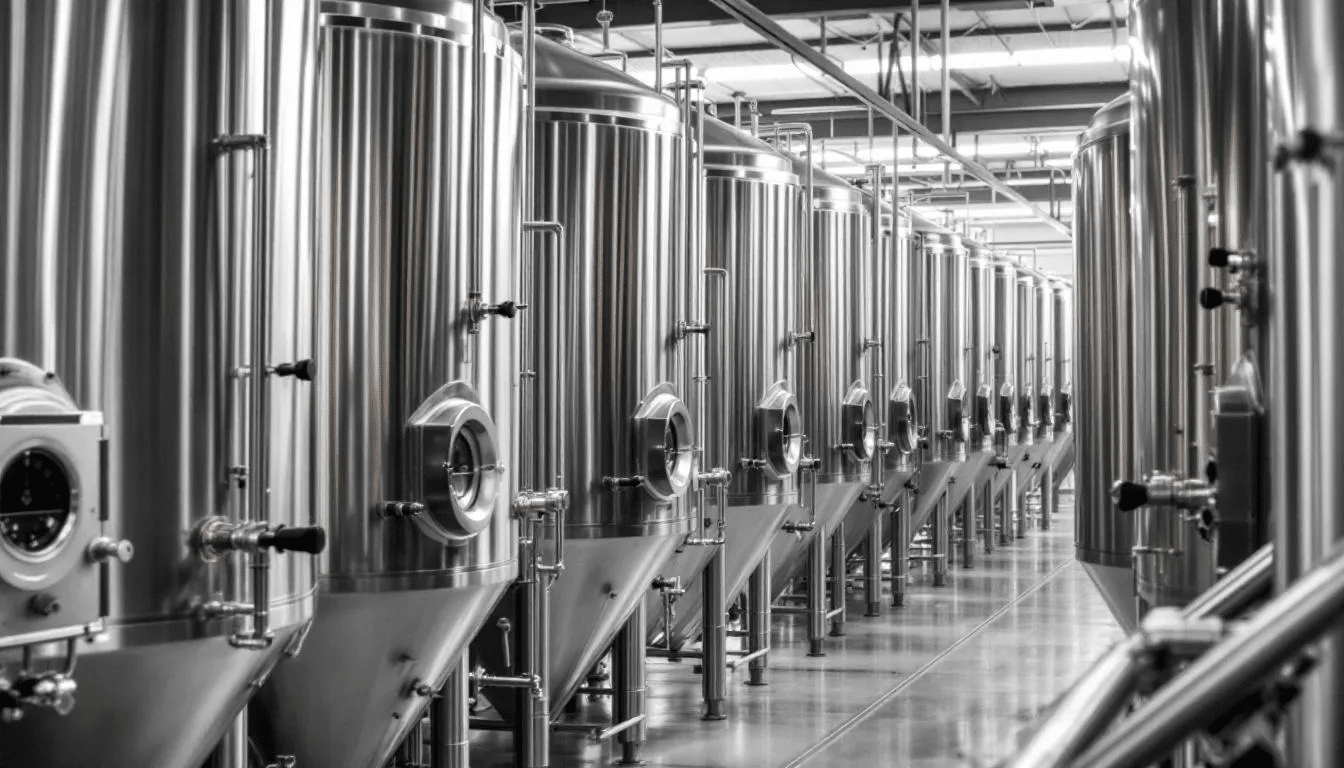
Stainless steel wine tanks and equipment made from corrosion-resistant steel alloys (typically containing chromium and nickel) are used throughout the wine production process. These containers range from small fermentation vessels holding just a few gallons to massive stainless steel tanks capable of holding thousands of gallons of wine.
Stainless steel wine tanks are commonly used to store and process grape juice before fermentation begins, and juice is often held in these tanks before fermentation or aging. Stainless steel has become ubiquitous in modern wineries, used for fermentation tanks, storage vessels, pumps, pipes, crushers, and presses.
Fermentation Vessels and Materials
Fermentation vessels are an essential tool in the winemaking process, and shape the flavor, aroma, and overall quality of the finished wine. Winemakers have a diverse array of options when it comes to fermentation vessels, with stainless steel tanks, oak barrels, and concrete eggs each offering unique characteristics that can influence the final product in completely distinct ways.
Stainless steel tanks have become a cornerstone of the modern wine industry, prized for their amazing ability to create a completely neutral environment during fermentation! These stainless steel wine tanks do not impart any flavors or aromas whatsoever (quite a feat!), allowing the true character of the grape variety to shine through brilliantly. Their precise temperature control is a major advantage, enabling winemakers to carefully manage fermentation processes and maintain the desired temperature for optimal yeast activity.
This is especially important for preserving the freshness, natural acidity, and delicate fruit aromas in white wines, but is also incredibly valuable for crafting vibrant, fruit-driven red wines. The durability and ease of cleaning associated with stainless steel tanks further enhance their appeal, making them a practical choice for producing high-quality wines across a huge range of styles.
Stainless Steel as a Fermentation Vessel
Stainless steel serves multiple functions throughout the winemaking process. During fermentation, temperature-controlled stainless steel tanks allow winemakers to precisely manage fermentation temperatures, crucial for preserving delicate aromatics in white wines and rosé wines or controlling extraction in red wines. The tanks often feature cooling jackets that circulate chilled water or glycol, giving winemakers unprecedented control over the fermentation process.
A glycol system is often used in stainless steel tanks to regulate fermentation temperature, preventing overheating and ensuring optimal conditions. Grape juice is fermented in these tanks, transforming it into wine while allowing careful management of aroma, flavor, and texture.
For wine storage and aging, stainless steel provides a neutral environment that preserves the wine’s fruit characteristics without adding any flavors. Stainless steel tanks are commonly used for aging wine, helping to preserve freshness and varietal character. Wine aging in stainless steel tanks maintains a neutral profile compared to barrel aging, allowing the original fruit notes to shine.
Wines can be aged in stainless steel tanks to retain their original fruit characteristics and avoid the influence of oak. The airtight design of these tanks minimizes oxidation, preserving wine quality and preventing spoilage. Stainless steel tanks help preserve every subtle note in the wine, allowing the true taste of the grape to come through.
The use of stainless steel ensures the wine’s authentic taste reaches the glass, providing a pure reflection of the grape and terroir. The material is also used for blending different lots of wine, as its inert nature ensures no unwanted chemical reactions occur during the mixing process.
Beyond tanks, stainless steel is used in crushers, destemmers, presses, filtration systems, bottling lines, and the extensive network of pipes and pumps that move wine through the winery. Its ease of cleaning and sanitation makes it ideal for all wine-contact surfaces. Tanks can be selected to suit the specific needs of different winemaking processes, such as capacity, insulation, and durability. Certain finishes or grades of stainless steel are suitable for particular wine types, ensuring optimal fermentation and storage conditions.
Importance in the Wine Industry
Stainless steel revolutionized winemaking for several compelling reasons. First, it is completely inert and non-porous, meaning it imparts no flavors to the wine and allows no oxygen exchange. This neutrality gives winemakers complete control over the wine’s flavor profile, allowing the grapes and terroir to speak for themselves.
Temperature control is perhaps stainless steel’s greatest advantage. Unlike traditional materials, stainless steel tanks can be fitted with sophisticated cooling and heating systems, enabling winemakers to ferment white wines at cool temperatures (preserving fresh, aromatic qualities) or warm reds to optimal extraction temperatures. This precision was impossible with older materials like concrete or wood.
From a practical standpoint, stainless steel is exceptionally durable, lasting decades with proper care. It’s easy to clean and sanitize, reducing the risk of contamination from bacteria or unwanted yeasts that could spoil wine. The material is also highly versatile—the same tanks can be used for white or red wines, year after year, without any flavor carryover between batches.
Economically, while the initial investment is significant, stainless steel’s longevity and low maintenance requirements make it cost-effective over time. Tanks don’t need replacement like barrels do, and they require minimal upkeep beyond regular cleaning.
Stainless steel has transformed winemaking practices around the world, enabling winemakers globally to achieve precision, purity, and consistency in wine production.
When Would Stainless Steel Not Be used?
Despite its advantages, stainless steel isn’t appropriate for every wine. Traditional winemaking for certain styles deliberately avoids stainless steel in favor of other materials. Oak barrels remain essential for wines where complexity, tannin integration, and subtle flavor development are desired. Premium Chardonnays, Barolos, Bordeaux Bordeaux is one of France’s most famous … More blends, and many other prestigious wines undergo at least partial oak aging to develop the layered complexity that defines these styles, with barrels sometimes imparting additional flavor notes such as cedar, which can add further nuance and aromatic depth.
Some winemakers who use traditional or natural winemaking methods prefer concrete, clay amphorae, or large wooden vats. These materials allow micro-oxygenation and can contribute subtle textural qualities that stainless steel cannot provide. Concrete, for instance, has experienced a renaissance in recent years for its ability to maintain stable temperatures naturally while allowing tiny amounts of oxygen exchange.
Certain wine regions with strong traditions may resist stainless steel for cultural or regulatory reasons. Some producers in historic wine regions continue using traditional fermentation vessels to maintain authenticity and connection to centuries-old practices, even when modern materials might be more convenient.
For very small-scale or artisanal producers, the high upfront cost of stainless steel equipment may be prohibitive, leading them to use alternative materials or smaller-scale equipment.
Conclusion
Stainless steel stands as one of the most significant innovations in modern winemaking, offering unparalleled control, cleanliness, and versatility. Its inert nature and temperature control capabilities have enabled winemakers to produce consistently high-quality wines that express pure fruit character and regional identity. While it hasn’t completely replaced traditional materials like oak and concrete—nor should it—stainless steel has become an indispensable tool in the contemporary winery.
The choice between stainless steel and other materials ultimately depends on the winemaker’s vision for each wine, with the best producers understanding when to embrace modern technology and when to honor traditional methods. In this way, stainless steel hasn’t eliminated tradition but rather expanded the winemaker’s palette of options for crafting exceptional wines.