
Awkward
An “awkward wine” isn’t an official wine term; it typically refers to wines that are difficult to pair with food,…
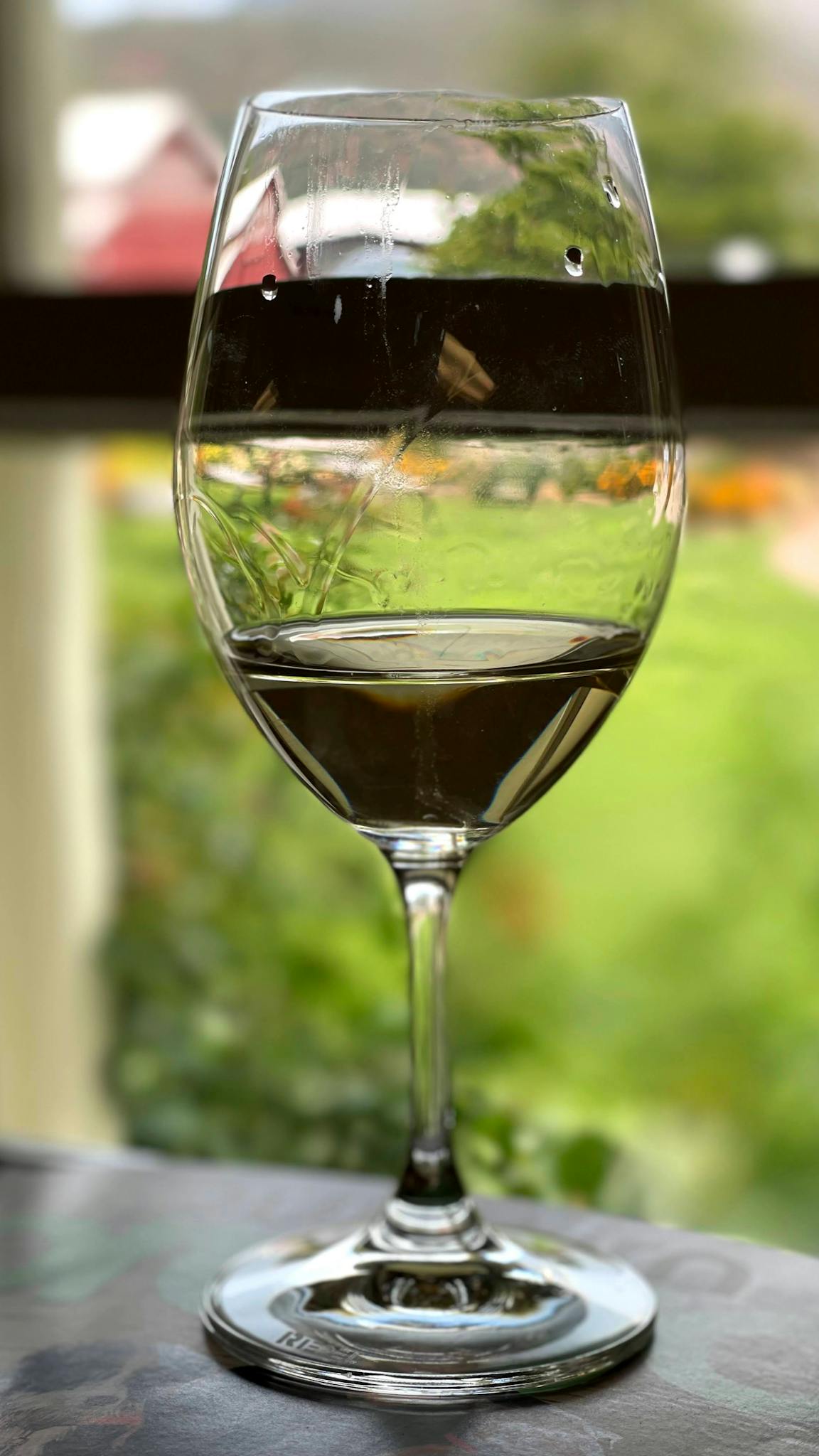
definition
An “awkward wine” isn’t an official wine term; it typically refers to wines that are difficult to pair with food, have unusual flavor profiles, or fall into an uncomfortable middle ground in terms of quality or style.
The idea of awkward wine sparks curiosity and encourages exploration of unique wine concepts, inspiring creativity in wine selection.
Key Characteristics
Difficult to pair: These wines don’t complement common foods easily and can clash with many dishes, making them especially challenging to enjoy with a meal. They might be too tannic, too sweet, or have competing flavors that make pairing challenging.
Transitional styles: Wines caught between categories—not quite dry but not sweet enough to be a dessert wine, or medium-bodied wines that don’t excel in any particular context. Sometimes, a wine might seem like it should fit a certain category, but it just feels wrong in practice. Some transitional wines are also too light to stand up to certain dishes, which adds to their awkwardness.
Off-balance: Wines where the acidity, tannins, sweetness, or alcohol don’t harmonize well, creating a disjointed tasting experience. Some awkward wines are simply too light for robust meals, making them difficult to pair.
Polarizing flavor profiles: Unusual or acquired-taste characteristics that some love and others find off-putting, such as overly funky natural wines or heavily oaked styles. Awkward wines may not suit all tastes, making them divisive among wine drinkers.
Common Examples
- Off-dry Rieslings: Too sweet for savory
 Savory wine refers to wines that exhibit… More dishes, not sweet enough for dessert
 - Over-oaked ChardonnayChardonnay is a white wine made from gre… More: When excessive oak overwhelms the fruit
- Unbalanced natural wines: Wines with volatile acidity or barnyard funk that can be challenging
- Cheap sparkling wines: Low-quality prosecco or cava that’s too sweet and lacking complexity
- Rosé that’s too sweet: Falls awkwardly between refreshing dry rosé and dessert wine
- Obscure red grape blends: Awkward wines made from rare red grape varieties, such as Alicante BouschetAlicante Bouschet: The Red-Fleshed Power… More or TeroldegoTeroldego is an ancient red grape variet… More, can present unique challenges due to unfamiliar flavors or unusual blending traditions.
- Unusual white wines: Some white wines, like orange wines or those made from lesser-known grapes such as Savagnin, can defy expectations with their distinctive profiles, making them awkward choices for typical pairings.


Production Methods
The world of weird wines is as diverse, thanks in large part to the incredibly creative winemaking process behind each bottle. From the choice of grape—be it a classic Cabernet Sauvignon or a zesty Sauvignon Blanc—to the specific region where the wine is produced, every single decision shapes the final taste and aroma profile. For example, winemakers might age Cabernet Sauvignon in oak barrels for anywhere from 12 to 24 months, infusing the wine with those rich notes of vanilla, spice, and even a hint of cola, while a Sauvignon Blanc from the Loire Valley (with its limestone and clay soils!) might showcase that lively acidity and a tangy, green apple character that makes your mouth water.
Sometimes, the use of volatile acidity in the winemaking process (when levels reach around 0.6 to 1.2 grams per liter) can add a sour, almost lemon peel-like zing to the wine, creating a flavor profile that’s both bold and completely unconventional. Improper techniques can result in poor structure, awkward flavors, or even off-putting smells reminiscent of a wet dog (which happens when Brettanomyces yeast takes over the fermentation process). These wines might taste unrefined or unbalanced, making them a real challenge for even the most adventurous palate.
On the flip side, a well-crafted weird wine can be a true delight and an absolute revelation, offering a fun combination of aromas and flavors that range from earthy and spicy to juicy dark fruit or tart sour cherry. The aging process plays a crucial role here (especially for red wines like Merlot or Syrah that can age for 18 months or more!), as time in the barrel can mellow those harsh tannins and add incredible layers of complexity. The choice of barrel—whether traditional French oak, American oak, walnut, or something more unusual like acacia—can impart unique notes, from rich caramel to smoky earth that makes each sip an adventure.
Some winemakers take things a step further by experimenting with unexpected ingredients (and we’re talking truly wild combinations here!), blending grapes with vegetables or fruits to create one-of-a-kind bottles that challenge everything you thought you knew about wine. Imagine a white wine with hints of green apple and lime, or a red wine blend that surprises you with subtle notes of lemon peel or even a touch of walnut.
These creative ideas aren’t limited to one region; from the rolling hills of Italy with their volcanic soils to the sun-soaked vineyards of California, winemakers around the world are pushing boundaries and completely redefining what wine can be.
Exploring these production methods is a fantastic way to discover new and exciting wines to add to your wine collection! Whether you’re drawn to a weird white wine like Pinot Noir or a rich, spicy red wine from Napa with its distinctive terroir, the world of weird wines is absolutely full of surprises. Pour a glass, invite your friends, and embark on a tasting adventure—you might just find a new favorite among the world’s most unusual and wonderfully awkward wines!
Flavors and Taste
Awkward wines often taste unbalanced or one-dimensional. Sometimes, the smell of an awkward wine can be off-putting or unusual, making it less enjoyable from the first sniff. You might experience competing flavors that don’t integrate well, excessive sweetness with tart acidity, or harsh tannins with little fruit to soften them. Polarizing aromas or flavors, such as leather, can also contribute to a wine feeling awkward.
The way a wine is aged can sometimes result in awkward flavors or textures, especially if the maturation process is not well-managed. Additionally, the fermentation process can introduce unexpected flavors or aromas that make the wine seem awkward. The finish might be abrupt or unpleasant.
Conclusion
While “awkward wine” is subjective, it generally describes bottles that are hard to enjoy in typical contexts. However, even challenging wines can find their audience—what’s awkward to one person might be interesting to another. The key is understanding your preferences and the context in which you’ll be drinking.
To add excitement and variety to your life, consider exploring awkward wines from different regions. These wines may not be widely available in the mainstream market, but they are worth seeking out for their unique character.
Even classic wine regions like Bordeaux Bordeaux is one of France’s most famous … More in France or Spain can produce wines that some find awkward, despite their prestigious reputations. For example, Viognier, a white wine from southern France, is beloved by many but can be awkward for some palates due to its distinctive aromatic profile.