
Ban des Vendanges
The “Ban des Vendanges” is a traditional French term referring to the official authorization to begin the grape harvest in…
definition
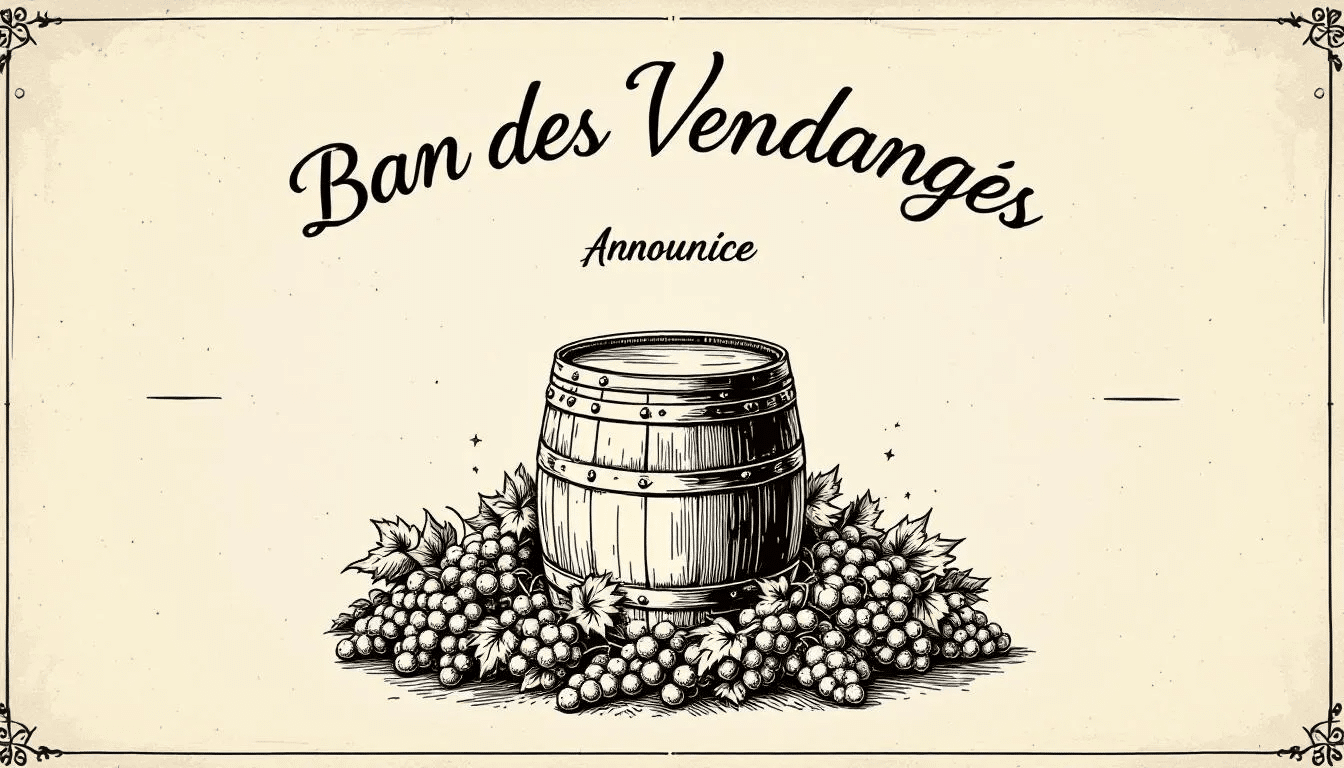
The “Ban des Vendanges” is a traditional French term referring to the official authorization to begin the grape harvest in a specific wine-growing region. It literally translates to “harvest ban” or “lifting of the harvest ban.” The Ban des Vendanges originally began as a feudal law, where the local lords gave permission to start the harvest, ensuring that the process was regulated by law to protect wine quality and uphold regional reputation.
This practice dates back to the Middle Ages and still exists today, especially in prestigious French wine regions like Burgundy, Champagne, Bordeaux, Alsace, and parts of the Loire Valley. The tradition remains especially important for Bordeaux wines, where the timing and official approval of the harvest continue to be celebrated.
1. Meaning & Origin
Ban des Vendanges
The term “Ban des Vendanges” comes from way back in French history, dating all the way to feudal times during the Middle Ages! Back in those days, the grape harvest was strictly controlled by local authorities or lords, who had the exclusive right (they were the only ones!) to declare the official date for the start of the harvest period.
This declaration, known as the ban des vendanges, was super important for making sure that grapes—especially those meant for red wines—were picked at the exact moment they were perfectly ripe, getting the best quality wine possible! The official date was eagerly awaited by winegrowers, as it marked the beginning of the grape harvest and set the tone for the new vintage.
The French Revolution tore down the feudal system, and the exclusive right to set the harvest date moved from the lords to local wine authorities and communities (quite a change!). Even with all these big changes, the tradition of announcing an official harvest date kept going strong, becoming a celebrated event in many regions. Today, the Ban des Vendanges is still a huge moment in the wine calendar, especially in famous areas like Saint-Émilion, Bordeaux, and the Loire Valley! It not only signals the start of the grape harvest but also serves as a reminder of the centuries-old connection between the land, the people, and the pursuit of exceptional wine quality in France.
2. French Grape Harvest Techniques
Over the centuries, grape harvest techniques in France have changed a lot to balance old traditions with new ideas, always trying to make the best wines possible! The timing of the grape harvest, decided by the official ban de vendanges, is super important and affects how each region picks its grapes. In Saint-Émilion, for example, the Jurade—a historic wine group that’s been around for ages—announces the official harvest date. After that, winemakers start carefully hand-picking grapes from the vines, one by one! This careful approach lets them choose only the ripest and healthiest fruit, making sure the wines show off the special character of the region’s soils and weather.
In Bordeaux and other famous wine areas, winemakers and local authorities keep a close eye on things like grape acidity, sugar levels, and weather to figure out the best harvest date. The goal is to pick the grapes when they’re perfect, getting just the right balance of flavor and body! While hand-harvesting is still the mark of quality wines (especially the expensive ones!), some areas—like the Loire Valley—also use modern mechanical harvesting machines to gather grapes quickly across bigger vineyards.
No matter which method they use, the focus stays on keeping the fruit in great shape and making wines that show the best of each year’s harvest. The mix of traditional know-how and modern technology makes sure that French wines keep setting the bar for quality and excellence, year after year!
1. Meaning & Origin of the Ban des Vendanges
- Historically, the local lord or wine-growing authority would proclaim the official start date for grape picking, often during a formal ceremony.
- The rule ensured:
- Grapes were picked at optimal ripeness.
- Everyone started harvesting on equal terms.
- No premature picking that could compromise wine quality.
- Breaking the ban could result in fines or punishment.
2. Modern Role
Today, the Ban des Vendanges still exists but functions more as a regulatory guideline rather than a strict prohibition.
- Regional wine syndicates or authorities analyze grape sugar levels, acidity, and ripeness. The official harvest date can vary from year to year and region to region, depending on grape maturity and ripening conditions.
- Based on these studies, they set the earliest possible date for harvesting, with factors such as weather, soil, and climate influencing the decision.
- Individual growers may choose to wait longer for ideal ripeness, but they cannot start before the official ban is lifted. After the ban is lifted, each winemaker decides the optimal moment to harvest based on their assessment of grape maturity.
3. Where It’s Most Significant
- Burgundy (Bourgogne) → Particularly famous for ceremonial celebrations marking the Ban des Vendanges.
- Champagne → Strictly controlled; Comité Champagne decides harvest dates per village based on ripeness tests.
- Bordeaux → The official opening of the harvest often occurs in mid-September to October, depending on the site and vintage conditions. Declared regionally, especially important for Sauternes and Graves sweet wines.
- Alsace & Loire Valley → Applied in appellations producing both dry and sweet wines.
4. Cultural & Ceremonial Aspect
In many villages, especially in Burgundy, the Ban des Vendanges is celebrated with festive events that celebrate the beginning of the harvest and create lasting memories for participants from all walks of life:
- Festivals, parades, and tastings
- Blessings of the harvest in local churches
- Communal meals and wine tastings
It’s both a symbolic kickoff to harvest season and a way to honor centuries-old winemaking traditions. These ceremonies connect the present to the past, honoring the rich history of winemaking.
5. Why It Matters
- Ensures quality control across appellations. The clarity and light of a wine can be a sign of its quality, reflecting the care taken during harvest.
- Helps maintain the reputation of French wines globally. The present balance of acidity, sugar, and tannins

- Preserves a sense of community and tradition among vignerons (winegrowers).
Conclusion
The Ban des Vendanges is the official announcement authorizing grape harvest in French wine regions. Once declared, producers can begin picking, ensuring grapes are harvested at peak ripeness and standards of quality are maintained.