
Beaujolais
Beaujolais is a wine region located in east-central France, just south of Burgundy and north of Lyon. As a French…
definition
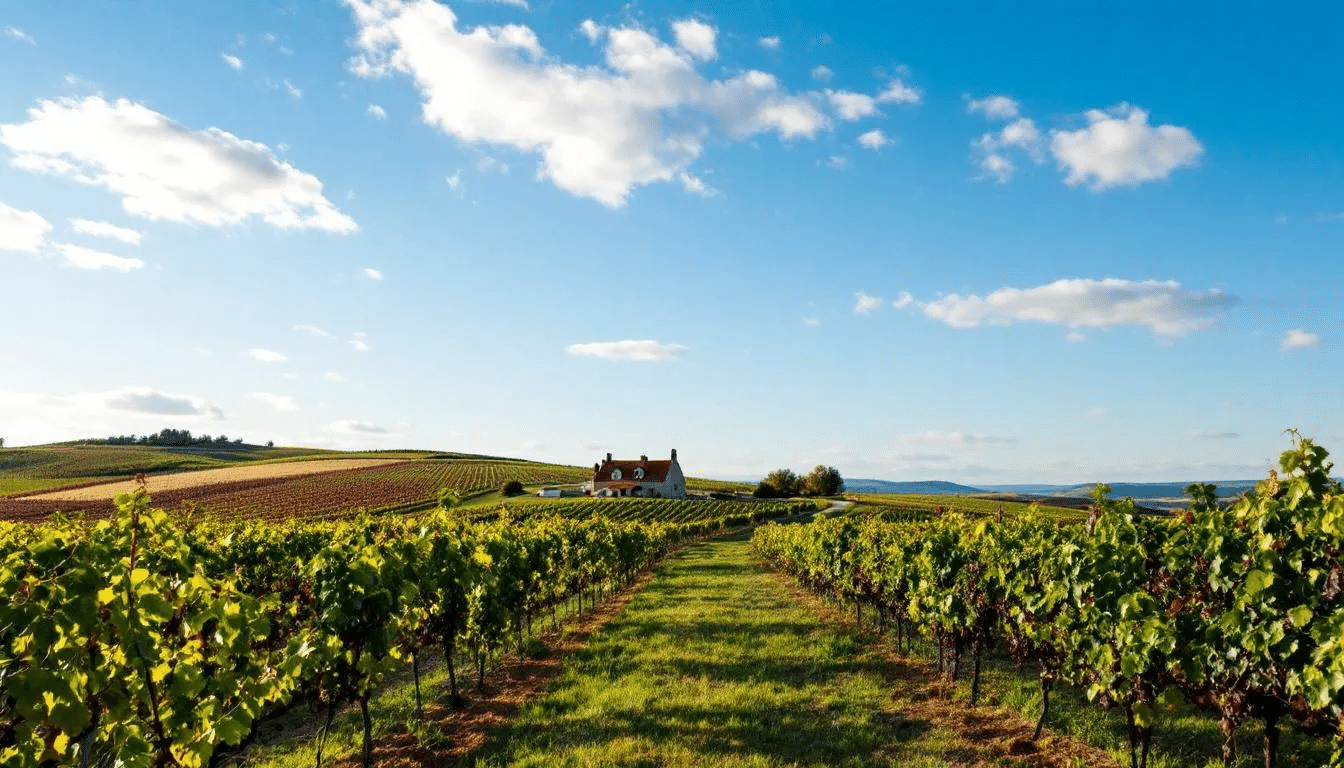
Beaujolais is a wine region located in east-central France, just south of Burgundy and north of Lyon. As a French wine region, Beaujolais is known for its unique identity and vibrant winemaking traditions. The region covers approximately 55 kilometers from north to south and covers parts of the Rhône and Saône-et-Loire departments, with Beaujolais vineyards stretching across its rolling hills and valleys.
The southern half of Beaujolais is characterized by flatter terrain and richer soils, producing lighter wines. Northern Beaujolais is renowned for its diverse terroirs and high-quality crus such as Morgon and Côte de Brouilly. It sits between the Saône River to the east and the mountains of the Massif Central to the west, with Southern Beaujolais noted for its scenic beauty and historical villages, creating a natural corridor that has been crucial to its winemaking identity.
Introduction to Beaujolais Wine
Beaujolais wine is one of the most exciting expressions of French winemaking you’ll find! The amazing wines are from the Beaujolais region in eastern France, just north of the city of Lyon. What makes Beaujolais so special and easy to love? It’s all about the Gamay grape! This grape variety loves the unique soil and climate of the region. The Gamay grape has thin skins and naturally low tannin levels, creating light-bodied and fresh wines.
When you taste a glass of Beaujolais, you’ll get hit with amazing fruit flavors like raspberry, cherry, and cranberry that just burst in your mouth. These wines are super approachable and perfect for anyone – whether you’ve been drinking wine for years or you’re just starting to explore French wines! Beaujolais shows off how awesome the Gamay grape can be, and every single sip proves why this region has become so famous for producing wines that are both charming and versatile.
How Many Appellations Are There in Beaujolais, and When Was Each One Established
Beaujolais has 12 official appellations (AOC/AOP designations):
Regional Appellations:
- Beaujolais AOC (established 1937) – covers the entire region
- Beaujolais-Villages AOC (established 1950) – covers 38 villages in the northern part
Both red and white wines are produced under these appellations, with white wines labeled as ‘beaujolais blanc’ or ‘beaujolais villages blanc’.
After meeting specific requirements for higher minimum alcohol content (at least 10.5%) and lower yields, wines may be labeled as ‘beaujolais supérieur’, a designation for wines that meet stricter production standards.
The 10 Beaujolais Crus (all established in 1936, except where noted):
These are also known as the ‘cru villages’ or ‘the ten villages’ that produce the region’s finest wines, each with unique terroir and character.
- Morgon – known for powerful, age-worthy wines
- Moulin-à-Vent – considered the “King of Beaujolais”
- Fleurie – famous for elegant, floral wines
- Chiroubles – the highest altitude cru
- Juliénas – named after Julius Caesar
- Saint-Amour – the northernmost cru
- Chénas – the smallest cru by production
- Brouilly – the largest cru by area
- Côte de Brouilly – located on the slopes of Mont Brouilly
- Régnié (established 1988) – the newest cru
History of Wine Production
The story of Beaujolais wine making goes way back to the Roman Empire days, when those first grape vines got planted in this really fertile region! Over many centuries, the Beaujolais area has built up its own special wine-making identity (pretty cool how tradition and new ideas worked together!). The heart of this whole evolution is the Gamay grape, which became the region’s signature variety because it was so adaptable and had such expressive character – what a grape! A defining feature of Beaujolais wine making is using semi-carbonic maceration (that’s a fancy name for a process where whole grape bunches ferment in an environment that’s packed with carbon dioxide!).
This technique, also called carbonic maceration, keeps the grapes’ fresh fruit flavors and gives the wines their trademark aromatic intensity and silky texture – amazing stuff! The region’s vineyards have faced some tough challenges, like that devastating phylloxera bug problem in the 1800s (what a nightmare that must have been!), but those tough winemakers adapted by replanting vines and trying out new methods. Today, Beaujolais keeps honoring its heritage while embracing modern winemaking, creating wines that really capture the spirit and history of the region!
What Makes Beaujolais Unique
Beaujolais is distinguished by several unique characteristics:
Carbonic Maceration: The region is famous for its traditional winemaking technique called carbonic maceration (or semi-carbonic maceration), where whole grape clusters ferment in a carbon dioxide-rich environment. This produces wines with bright fruit flavors, soft tannins, and distinctive banana and bubblegum notes.
Granite, Schist, and Clay-Based Soils: The northern crus sit on ancient granite and schist soils that are 300+ million years old, providing excellent drainage and mineral complexity that’s distinct from the limestone-clay soils of neighboring Burgundy. In addition, certain areas feature clay-based soils, which contribute to richer, rounder wine styles and influence the character of the cru wines.
Beaujolais Produces Wines from Gamay Grapes: Beaujolais produces a range of wines, primarily from Gamay grapes. This single grape focus defines the region’s wine style, quality, and regional identity, as Gamay grapes thrive in this specific terroir.
Nouveau Tradition: Beaujolais Nouveau, released on the third Thursday of November each year, represents one of the world’s most famous wine marketing phenomena and celebrates the region’s fresh, immediate wine style.
Different Styles and Colors in Beaujolais
Red Wines (95% of production):
- Beaujolais Nouveau: A light red wine, known for being a simple Beaujolais that is fruity, easy drinking, and meant to be enjoyed young. It is often served slightly chilled to enhance its refreshing qualities.
- Beaujolais and Beaujolais-Villages: These are fresh, medium-bodied red wines that are classic examples of simple Beaujolais—fruity wines that are easy drinking and best enjoyed young. Serving them slightly chilled is common to highlight their lively character.
- Cru Beaujolais: More structured, complex red wines capable of aging 5-15 years, though some can also be enjoyed young for their vibrant fruitiness.
- Traditional vs. Modern styles: Some producers use traditional carbonic maceration to create bright, fruity wines, while others employ more conventional winemaking for different flavor profiles.
White Wines (small production):
- Made primarily from Chardonnay and labeled as white wine
- Crisp, mineral-driven wines similar to basic white Burgundy
- Often served slightly chilled, similar to how some red Beaujolais is served
- Represents less than 1% of total production
Rosé Wines (limited production):
- Light, fresh rosés made from Gamay, sometimes served slightly chilled for extra refreshment
- Minimal production compared to reds
How Many Hectares of Vineyards Are There in Beaujolais
The Beaujolais region encompasses approximately 16,000-17,000 hectares of vineyards. More than half of Beaujolais wine production is dedicated to certain styles, such as Beaujolais Nouveau, highlighting their significance in the region’s wine industry. This makes it roughly similar in size to Champagne but smaller than Bordeaux Bordeaux is one of France’s most famous … More or the Rhône Valley.
The vineyard area has decreased from its peak of around 23,000 hectares in the 1980s due to economic pressures and vineyard abandonment. Many vineyards are situated at varying elevations above sea level, which influences the microclimate, grape ripening, and the characteristics of the wines produced.
Signature Wines
Iconic Cru Wines:
- Moulin-à-Vent “Thorins” – powerful, Burgundy-like wines, considered among the best wines of Beaujolais, especially in good vintages, which enhance their structure and aging potential.
- Morgon “Côte du Py” – mineral-driven wines from blue volcanic stone, often ranked as some of the best wines of the region, with good vintages providing exceptional depth and longevity.
- Fleurie “La Madone” – elegant, perfumed
 Perfumed refers to wines that exhibit pr… More wines from the chapel hillside, frequently listed among the best wines for their finesse and floral character.
 - Chiroubles – delicate, high-altitude expressions, also recognized as some of the best wines for those seeking lighter, aromatic styles.

Classic Producers:
- DomaineA domaine is a French term for a wine es… More Jean-Marc Burgaud
- Château des Jacques (Louis Jadot)
- Marcel Lapierre (natural wine pioneer)
- Domaine de la Madone
- Georges Duboeuf – a prominent négociant and influential figure in the Beaujolais wine industry

Grape Varietals
**Primary Grape:**Gamay (Gamay Noir à Jus Blanc) represents 98% of plantings. This grape produces wines with:
- Bright red fruit flavors (cherry, raspberry, strawberry)
- Low to moderate tannins
- High acidity
- Distinctive floral and spice notes when grown on granite
Secondary Varietals:
- Chardonnay: Used for white Beaujolais
- AligotéAligoté Grape: Burgundy’s Hidden Winemak… More: Permitted but rarely planted
- Pinot NoirPinot Noir is one of the world’s most re… More: Allowed in tiny quantities but uncommon


The dominance of Gamay and Chardonnay not only defines the style of Beaujolais wines but also plays a crucial role in shaping the region’s wine industry and its global reputation.
Terroir and Climate
Climate: Beaujolais enjoys a continental climate with Mediterranean influences. The region receives adequate rainfall (700-800mm annually) and benefits from the Saône River’s moderating effect. The varied elevations (200-500 meters) create microclimates perfect for Gamay.
Soil Types:
- Northern Crus: Pink granite and schist soils that produce structured, mineral wines
- Southern Region: Clay-limestone soils yieldYield in winemaking refers to the amount… More softer, fruitier wines
- Unique Geology: The granite bedrock creates well-draining soils that stress the vines appropriately, concentrating flavors. Notably, the volcanic slopes of Mont Brouilly impart distinctive minerality and complexity to the wines produced there.

Topography: Rolling hills and varied exposures allow for optimal sun exposure while protecting vines from harsh winds. Many of the best vineyards face east or southeast on gentle slopes. Specific village names are associated with unique terroirs and wine styles, reflecting the diversity of the region.
Wine and Food Pairing
Beaujolais wines are some of the most food-friendly wines you can find! They work great with many different types of food. The light and fruity basic Beaujolais AOC wines go perfectly with meat and cheese boards, soft cheeses, and fresh fruit – they’re amazing for casual get-togethers or outdoor picnics! If you want something with more depth, Beaujolais Villages wines have a richer taste that pairs beautifully with chicken, pork, and roasted vegetables.
When we talk about the more complex cru Beaujolais wines, these are the stars that shine with heartier foods like red meat, game, and dishes with rich, flavorful sauces! The crisp acidity and smooth tannins in Beaujolais wines also make them a fantastic match for spicy or tangy foods from Asia and Mexico – quite a surprise for many wine lovers! Whether you’re having a simple weeknight dinner or putting together an elaborate dinner party, there’s a Beaujolais wine that will make your meal even better.
Tourism in the Region
The Beaujolais region is a real treasure for wine fans and travelers who want the true taste of rural France! Spread across rolling hills and steep slopes (some at crazy angles!), the region’s vineyards stretch for about 55 kilometers along the beautiful Saône River, offering visitors amazing views and a peaceful feeling. You can explore over 12 wine villages, each one special in its way, where local winemakers are happy to welcome guests for tastings and tours of their cellars.
The area is filled with pretty towns, like Villefranche-sur-Saône (the region’s capital!), where history, culture, and great food come together in busy markets, cozy cafes, and welcoming restaurants. People who love the outdoors will find lots to do, from hiking and biking through the vineyards to hot air balloon rides that show off the patchwork of vines from way up high! Whether you’re walking through hillside vineyards, trying the newest vintage, or just enjoying the beauty of the French countryside, the Beaujolais region promises an experience you’ll never forget!
Conclusion
Beaujolais represents one of France’s most distinctive and approachable wine regions. While often overshadowed by its prestigious neighbor, Burgundy, Beaujolais offers exceptional value and unique character through its granite terroir, Gamay grape mastery, and traditional winemaking techniques. From the fresh exuberance of Beaujolais Nouveau to the complex, age-worthy wines of the northern crus, this region demonstrates remarkable diversity within its focused identity.
The region’s 12 appellations showcase how terroir can dramatically influence a single grape variety, while its commitment to both tradition and innovation continues to attract new generations of wine lovers. Whether seeking an everyday drinking wine or a serious collector’s bottle, Beaujolais offers authentic French winemaking at its most charming and accessible.