
Grenache Gris
Grenache Gris is one of the fascinating white wine grape varietals that deserves more recognition in the wine world. Origins…

definition
Grenache Gris is one of the fascinating white wine grape varietals that deserves more recognition in the wine world.
Origins of Grenache Gris
Grenache Gris is a color mutation of the more common Grenache Noir (red Grenache). It originated in the northern regions of Spain, where Grenache is known as “Garnacha,” likely in the Aragon region. The grape has been cultivated for centuries, with historical records dating back to at least the 18th century, though it likely existed much earlier. The “gris” (gray) designation refers to the grayish-pink color of the grape skins, distinguishing it from both the darker Grenache Noir and the lighter Grenache Blanc.
What Makes Grenache Gris Unique
What sets Grenache Gris apart is its distinctive combination of characteristics:
- It offers a middle ground between red and white Grenache varieties, with more body than Grenache Blanc but less tannin than Grenache Noir
- The grape has naturally high sugar levels, translating to higher potential alcohol
- Despite high sugar, it maintains good acidity when grown in appropriate climates
- It’s particularly resistant to drought and heat, making it well-suited to warming climate conditions
- The skins provide a subtle phenolic structure and sometimes a light copper hue to wines
- When old vines are used, Grenache Gris can develop remarkable complexity
Where Grenache Gris Grows in the World
Grenache Gris has a relatively limited but important presence in specific wine regions:
France: The variety’s stronghold is in Southern France, particularly in:
- Roussillon region, especially in Côtes Catalanes and Collioure
- Languedoc, where it’s used in some white and rosé blends
- Small plantings in the Southern Rhône Valley
Spain: Found in limited quantities in:
- Terra Alta DO in Catalonia
- Some parts of Priorat, where it may be called Garnacha Gris or Garnatxa Gris
United States: Recently gaining interest in:
- California, particularly in the Central Coast and the Sierra Foothills
- Washington State, in small experimental plantings
Australia: Some innovative producers in:
- Barossa Valley
 The Barossa Valley is located in South A… More
 - McLaren Vale
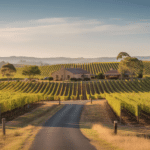
While overall plantings have declined over the 20th century, there’s been renewed interest in preserving old Grenache Gris vines, particularly in Roussillon, where some vineyards contain century-old specimens.
How Winemakers Use Grenache Gris
Grenache Gris is versatile in the winery and can be produced in several styles:
- Varietal wines: Some producers, especially in Roussillon, create single-varietal Grenache Gris wines that highlight its unique characteristics.
- Blending component: More commonly, it’s used in blends:
- Winemaking techniques:
- Skin contact: Some producers use brief skin contact to extract subtle color and texture
- Barrel fermentationBarrel fermentation has ancient roots th… More and aging: Its structure allows for oak influence without being overwhelmed
- Amphora or concrete egg aging: Used by natural winemakers to enhance texture while preserving purity
- Oxidative styles: In Roussillon, it’s sometimes used in oxidative wines like Rivesaltes or Rancio styles, where its structure and sugar content work well.

Tasting Notes and Wine Specifications
Color:
Pale gold to medium copper-pink, depending on skin contact time. Often shows a distinctive salmon or onion-skin hue when made with brief skin contact.
Aroma:
White peach, nectarine, subtle red berries, orange blossom, dried herbs (garrigue), slight nutty character (especially in older examples), wet stone minerality.
Flavor:
White and yellow stone fruits, citrus peel, dried apricot, subtle red fruit notes, Mediterranean herbs, saline minerality. With age, it develops notes of dried fruits, nuts, and honey.
Structure:
- Medium to full body
- Moderate to medium-plus acidity
- Low to moderate tannins
- Moderate to high alcohol (typically 13-14.5%)
- Often shows a slightly oily texture on the palate

Aging:
Most quality Grenache Gris wines can age 3-7 years, while exceptional examples from old vines can develop beautifully for 10+ years. The better examples gain complexity with time, developing honey, dried fruit, and nutty tertiary aromas.
Food Pairing:
- Seafood dishes: Bouillabaisse, grilled octopus, seafood paella
- Poultry: Roast chicken with herbs, duck confit
- Mediterranean cuisine: Ratatouille, grilled vegetables with olive oil
- Cheeses: Manchego, Comté, softer goat cheeses
- Vegetarian dishes: Mushroom risotto, saffron-infused dishes
- Grenache Gris in the Wine World Today
Grenache Gris occupies an interesting position in today’s wine landscape:
- Preservation effort: Several producers, particularly in Roussillon, are working to preserve old Grenache Gris vines, some are over 100 years old.
- Natural wine movement: The grape has found favor among natural winemakers who appreciate its textural qualities and ability to express terroir with minimal intervention.
- Climate change adaptation: Its drought and heat resistance make it increasingly valuable as temperatures rise in traditional wine regions.
- Gastronomic interest: Sommeliers and wine enthusiasts are rediscovering its food-friendly nature and unique profile that bridges white and rosé styles.
- Limited production: The relative rarity of Grenache Gris wines makes them sought after by collectors interested in unusual varieties.
Despite these positive factors, Grenache Gris remains somewhat under the radar compared to more famous varieties, accounting for less than 2,000 hectares worldwide.
Should You Try Grenache Gris?
Absolutely! Grenache Gris is worth seeking out if you:
- Enjoy textural white wines with some body (like Roussanne or Marsanne)
- Appreciate wines that pair well with Mediterranean cuisine
- Are you interested in discovering lesser-known grape varieties with historical significance
- Enjoy whites with subtle complexity rather than obvious fruity profiles
- Are you curious about wines that showcase minerality and terroir
When looking for bottles, consider wines from Roussillon producers like Domaine Gauby, Domaine Matassa, or Clos des Fées, who specialize in old-vine examples.
Conclusion
Grenache Gris represents a fascinating chapter in viticultural history—a variety that nearly disappeared but is now experiencing a well-deserved renaissance. Its ability to produce wines of character and distinction, particularly from old vines in traditional regions, makes it a worthy addition to any wine lover’s exploration. While not as widely planted as many international varieties, its unique position between white and red Grenache gives it a special place in the wine spectrum.
As climate change challenges many traditional wine regions, Grenache Gris’s natural resilience may ensure it has not just a storied past, but a promising future as well. If you haven’t yet experienced this distinctive variety, it offers a delicious new perspective on the rich diversity of the wine world.