
Primitivo
Primitivo’s story begins in the sun-drenched heel of Italy’s boot—Puglia. The grape’s name comes from the Latin word “primativus,” meaning…

definition
Primitivo’s story begins in the sun-drenched heel of Italy’s boot—Puglia. The grape’s name comes from the Latin word “primativus,” meaning “first to ripen,” a reference to its early harvest season, typically in late August. For centuries, winemakers in Puglia have cultivated this grape for its consistent yields and rich, concentrated flavors. After its introduction from Croatia, the grape was renamed Primitivo, highlighting its early ripening trait.
In the 1990s, when DNA testing revealed that Primitivo is genetically identical to California’s Zinfandel and Croatia’s Crljenak Kaštelanski. UC Davis and researcher Austin Goheen played a key role in the DNA fingerprinting and scientific research that established the genetic link between these varieties. This discovery connected three winemaking traditions across continents, though each region produces distinctly different expressions of the same grape. The story of Primitivo and Zinfandel highlights their shared history, genetic identity, and the unique viticultural differences shaped by their respective regions.
Croatian immigrants likely brought the vine to both Italy and America in the 18th and 19th centuries, where it adapted to its new terroirs and developed separate identities. In America, Zinfandel is often grown alongside other important red wine grapes such as Petite Sirah, and sometimes the two are blended. The lineage and classification of these wine grapes—Primitivo, Zinfandel, and their Croatian relatives—are significant in understanding the history and diversity of winemaking. Zinfandel advocates have played a major role in promoting the recognition, research, and marketing of this grape and its related wines.
Relationship to Other Grape Varieties
The story of the Primitivo grape is absolutely fascinating and shows how connected the wine world is. Thanks to amazing DNA testing in the 1990s, scientists proved that Primitivo and California’s Zinfandel are actually the same grape variety, and they are also related to an ancient Croatian grape called Tribidrag (which is believed to be the original parent of this whole family line). This shared family history means that when you’re sipping a glass of Italian Primitivo or a bold California Zinfandel, you’re actually tasting different versions of the same variety.
Primitivo is often blended with other classic Italian grape varieties such as Negroamaro and Malvasia to create distinctive Italian wines, adding extra layers and regional personality. Primitivo works brilliantly on its own and in blends.
What Makes Primitivo Unique
Primitivo stands out for its remarkable ability to accumulate sugar while maintaining good acidity—a trait that makes it both versatile and challenging for winemakers. The grape produces thick-skinned berries that develop intense colors and tannins, creating wines with bold personalities.
Unlike its Zinfandel counterpart, Primitivo grown in Puglia benefits from the region’s limestone-rich soils and Mediterranean climate. Primitivo is planted extensively in these limestone-rich soils, which contribute to its unique style. The persistent cooling breezes from the Adriatic Sea and Ionian seas moderate the intense southern Italian heat, allowing the grapes to ripen fully without losing their characteristic freshness. The quality of grapes grown in this region, influenced by the terroir and climate, plays a crucial role in shaping the wine’s profile. This balance between power and elegance defines the Primitivo style.
The grape also demonstrates remarkable phenological quirks—clusters often ripen unevenly, with some berries reaching full maturity while others lag. This trait, called “millerandage,” adds complexity to the wines but requires careful vineyard management and selective harvesting.
Viticulture
The Primitivo grape is tough and flexible. This grape just loves the hot, sunny vineyards of southern Italy’s Puglia region. The warm, dry weather and soils drain well, allowing the grape to ripen perfectly, making wines that taste rich and have smooth tannins. Because Primitivo ripens early, farmers often start picking in late August or early September, ensuring the grapes get the right amount of sugar and flavors before the fall rains come.
In the vineyard, Primitivo vines are known for grapes in tight bunches, which means farmers must combat bunch rot so only the best, healthiest grapes get picked. This careful work is super important for making high-quality wines that are made from just Primitivo grapes – these wines really show off the grape’s bold, rich flavors. While Puglia is still the main home for Primitivo, this grape is also grown in other parts of Italy, plus places like California and Croatia.
Where Primitivo Grows In The World
Puglia, Italy, remains Primitivo’s spiritual home and largest production area, located at the heel of Italy’s boot in the southernmost part of the country. The region accounts for the vast majority of Primitivo planted worldwide, with two key appellations:
- Primitivo di Manduria DOC: The most prestigious designation, producing rich, full-bodied wines from the Salento Peninsula. The unique landscape and climate of Primitivo Puglia, with its flat plains and maritime influences, play a crucial role in shaping the wine’s character.
- Gioia del Colle DOC: Located further north, yielding slightly more elegant wines with a higher altitude influence. Different primitivo selections, or clones, are cultivated in these areas, each contributing distinct ripening times and wine profiles.
California grows the grape extensively as Zinfandel, particularly in Sonoma, Napa Valley, Lodi, and the Sierra Foothills, though the wines typically taste quite different from Italian Primitivo.
Australia has embraced the variety, with plantings in regions like McLaren Vale and Barossa Valley, often labeled as Primitivo rather than Zinfandel to distinguish the style.
Smaller plantings exist in Croatia (as Crljenak Kaštelanski or Tribidrag), South Africa, and various other Mediterranean climates, though these remain niche productions.
How Winemakers Use Primitivo
Winemakers approach Primitivo with various techniques depending on their desired style:
Traditional methods in Puglia often emphasize the grape’s natural power. Fermentation typically occurs in temperature-controlled stainless steel tanks to preserve fruit character, followed by aging in large oak barrels or concrete vats. Some producers use the traditional “passito” method, partially drying grapes to concentrate sugars and flavors for dessert wines. Primitivo is also frequently used in a blend with other varieties, such as Negroamaro or Montepulciano, with Italian DOC and IGT regulations specifying allowable blending percentages to maintain quality and typicity.
Modern approaches might include:
- Shorter maceration periods for more approachable, fruit-forward styles
- Extended maceration and new oak aging for premium, age-worthy wines
- Carbonic maceration
 Carbonic maceration is a distinctive win… More for lighter, fruitier versions
- Blending with complementary varieties like Negroamaro or Montepulciano
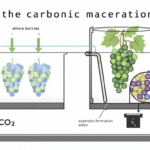
The winemaker plays a crucial role in choosing harvest time, fermentation methods, and aging techniques, directly shaping the final wine’s style and quality. During fermentation, malolactic fermentation is often encouraged to soften acidity and enhance the wine’s flavor profile. The extraction and quality of the juice from the grapes are carefully managed, as the characteristics of the juice at different ripeness stages significantly impact the final wine.
For oak aging, some producers use French oak barrels, which impart subtle spice and enhance mouthfeel while balancing fruit expression. After aging, Primitivo wines are bottled, and the quality of the bottled wine is essential for market presentation and consumer enjoyment.
The timing of harvest proves critical—picking too early yields jammy, overripe characters, while waiting too long risks excessive alcohol levels (sometimes reaching 15-16% ABV). Progressive winemakers carefully monitor phenolic ripeness rather than just sugar levels.
Tasting Notes and Wine Specifications
Color: Deep ruby to purple-red in youth, evolving to garnet with brick-orange edges as the wine matures. The intensity reflects the grape’s thick skins and abundant anthocyanins.
Aroma: Primitivo is renowned for its intense aromas, with ripe blackberry, black cherry, and especially cherries standing out as key notes, supported by plum, fig, raisin, and blackcurrant. Secondary characteristics include vanilla, cinnamon, clove, black pepper, tobacco, pipe tobacco, and dried Mediterranean herbs like thyme and rosemary. Well-aged examples develop leather, earth, and subtle balsamic notes.
Flavor: Primitivo is a bold wine, full-bodied and high in alcohol, with pronounced flavors. The palate mirrors the aromatic intensity with dark, jammy fruit flavors—think blackberry compote, cherry preserves, and sun-dried figs. Subtle sweet spice, licorice, dark chocolate, and pipe tobacco add complexity. Despite the fruit-forward nature, quality Primitivo maintains a savory undercurrent of dried herbs and minerality that prevents cloying sweetness.
Structure:
- Body: Full and robust, with a velvety, almost chewy texture
- Tannins: Medium to high, ripe and well-integrated in quality examples
- Acidity: Medium to medium-high, providing essential balance to the rich fruit
- Alcohol: Typically 13.5-15.5% ABV, sometimes higher in traditional styles
- FinishFinish refers to the practice of aging s… More: Long and warming, with lingering fruit and spice notes

Aging: Approachable young, with vibrant fruit character dominating in the first 2-3 years. Quality Primitivo di Manduria wines age gracefully for 5-10 years, developing tertiary complexities while maintaining their core intensity. Riserva-level wines from top producers can cellar for 10-15 years or more, though the exuberant fruit character gradually gives way to more evolved, savory notes. Primitivo is also used to produce dolce naturale, a DOCG sweet wine style made using the passito method, where grapes are dried on the vine to concentrate natural sugars.
Food Pairing: Primitivo’s bold character demands equally robust foods:
- Grilled and roasted meats: Lamb chops, beef short ribs, porchetta, sausages
- Tomato-based dishes: Lasagna, osso buco, pasta with meat ragù
- Aged cheeses: PecorinoPecorino is an ancient white grape varie…, aged cheddar, Parmigiano-Reggiano
- Barbecue: Ribs, brisket, pulled pork with tangy sauce
- Mediterranean cuisine: Moussaka, eggplant parmesan, stuffed peppers
- Pizza: Especially with spicy salami or sausage toppings

The wine’s natural sweetness and full body also complement dishes with subtle sweetness, like glazed meats or caramelized vegetables.
Today
Primitivo is experiencing a renaissance. Once dismissed as a rustic, bulk wine grape, it has gained international recognition as quality-focused producers demonstrate its potential for complexity and elegance. The Primitivo di Manduria appellation has elevated standards, and premium bottlings now compete on the global stage.
The grape benefits from growing interest in indigenous Italian varieties and natural winemaking movements. Young winemakers in Puglia are experimenting with organic and biodynamic viticulture, lower yields, and minimal intervention in the cellar, producing wines that showcase terroir alongside varietal character.
Climate change presents both challenges and opportunities—Primitivo’s early ripening and heat tolerance position it well for warming conditions, though managing alcohol levels while preserving freshness requires increasing skill.
Should You Try It?
If you enjoy full-bodied, fruit-forward red wines with personality. Primitivo offers exceptional value, particularly compared to wines of similar quality from more prestigious regions. A well-made Primitivo di Manduria delivers complexity and satisfaction at prices that often undercut Napa Cabernet or premium Bordeaux Bordeaux is one of France’s most famous … More.
Try Primitivo if you’re a fan of Zinfandel, Amarone, or Châteauneuf-du-Pape—it shares their bold, warming character. Among other Italian wines, Primitivo stands out for its rich fruit flavors and robust structure, distinguishing itself from lighter or more tannic Italian reds like Barolo or Chianti. It’s also perfect for those exploring Italian wine beyond the Tuscan classics or seeking food-friendly reds that won’t break the bank.
Conclusion
Primitivo embodies the spirit of southern Italy—warm, generous, and unapologetically bold. From its ancient Croatian origins to its modern expression in Puglia’s sun-soaked vineyards, this grape has traveled far while maintaining its distinctive character. Whether enjoyed young and exuberant or aged into savory complexity, Primitivo offers wine lovers an authentic taste of the Mediterranean.
As the wine world increasingly values authenticity and regional character over international homogeneity, Primitivo stands poised to claim its rightful place among Italy’s noble grapes. Pour a glass alongside your next hearty meal, and discover why this “first to ripen” variety has captivated winemakers and drinkers for centuries.