
Punt
The punt (also called a “kick-up” or “dimple”) is the indentation at the bottom of a wine bottle. While its…
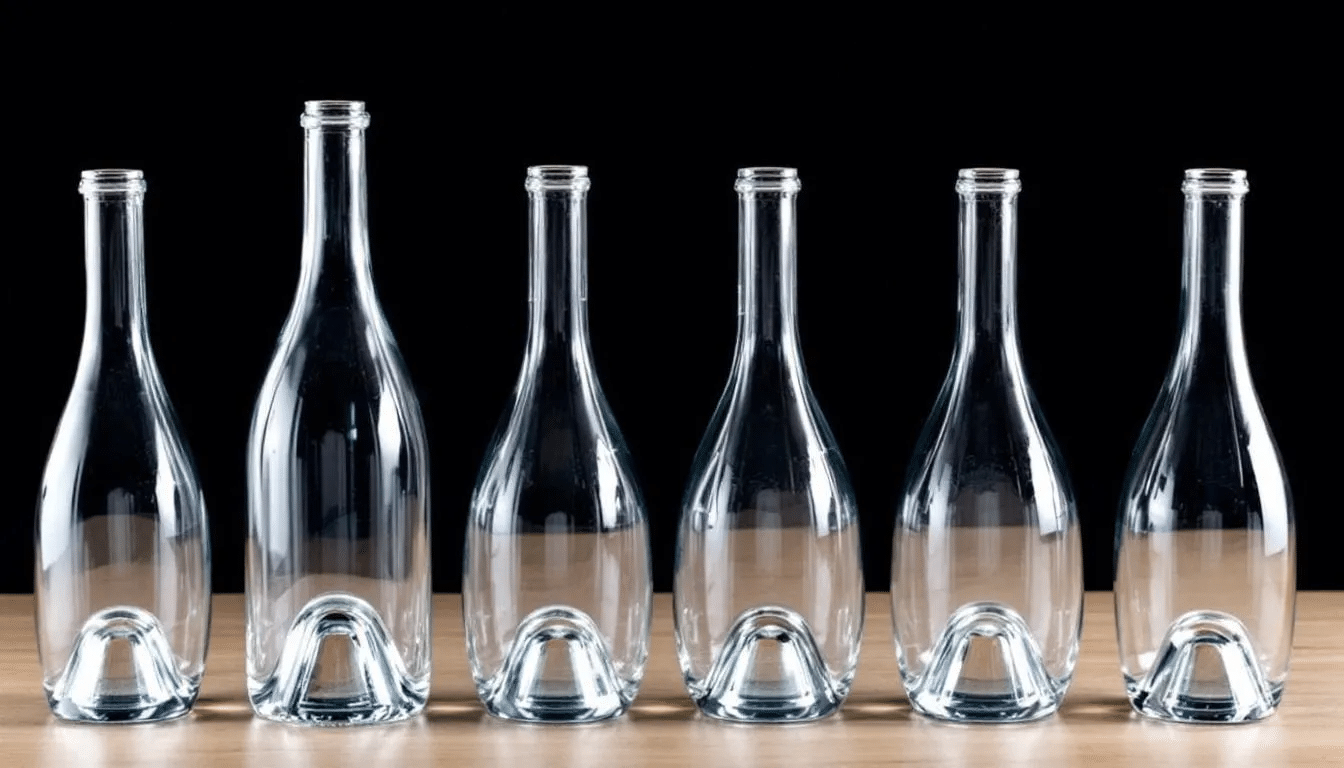
definition
The punt (also called a “kick-up” or “dimple”) is the indentation at the bottom of a wine bottle. While its original purposes were practical, it now serves several functions that have evolved. Its history dates back to early glassblowing techniques, where it was created for structural reasons but has since taken on aesthetic and branding roles as manufacturing technology advanced.
- Structural integrity: It distributes pressure more evenly throughout the bottle, making it stronger and better able to withstand the internal pressure from carbonated wines like Champagne
 The Champagne region is approximately 15… More.
 - Sediment collection: In traditionally made wines, it provides a groove where sediment can settle, keeping it separated from the wine when pouring.
- Pouring stability: It gives servers a secure place to grip the bottle when performing formal wine service, with the thumb in the punt and fingers supporting the base
- Stacking efficiency: Historically, bottles could be stacked more securely with the punt helping to cradle the neck of the bottle below.
- It is a permanent feature of the bottle, formed during manufacture when the bottom of the bottle is pushed up ensuring stability and uniformity.

characteristics
- Depth: Can range from barely noticeable (a few millimeters) to quite pronounced (several centimeters deep), and may vary slightly between different bottle shapes.
- Shape: Typically conical or dome-shaped, with smooth, rounded edges. Wine bottles come in different shapes, and the punt’s shape can also vary.
- Glass thickness: The area around the punt usually features thicker glass for added strength.
- Consistency: It is formed during the bottle-making process and is a permanent feature of the glass.
- Seam and scratch prevention: It helps hide the seam left from the glassblowing process and prevents scratches on the bottom of the bottle, ensuring stability and safety during handling.
Why is A Punt important?
For sparkling wines: Essential for withstanding the 5-6 atmospheres of high pressure inside the bottle. It increases the surface area at the bottom, which helps the bottle resist pressure and also allows the wine inside to chill faster when placed in ice.
- For sediment-prone wines: Helps separate deposits from the wine, particularly in aged reds and vintage ports. The punt’s role has changed with ageIn wine terms, “age” refers to how long … More; originally functional, it is now often a design feature.
- For presentation: Many customers associate a deeper punt with higher quality and tradition, but its presence is not a guarantee of quality. It is present on most wine bottles, so it should not be a surprise to customers.
- It does not affect the wine inside, and its function is more about tradition and marketing than about the actual difference in wine quality. There are differences in its depth and design between bottles for red wines, such as BordeauxBordeaux is one of France’s most famous … More, compared to white or sparkling wines. The punt helps carry on the tradition of wine regions, and some leading wine companies are moving toward lighter bottles for sustainability.
- For production: It makes the body of the bottle stronger and easier to handle during manufacturing, reducing the risk of breakage.


Resistance to Pressure in Wine Bottles
The ability of wine bottles to resist internal pressure is especially crucial for sparkling wines like Champagne, which are bottled under intense pressure—sometimes reaching up to ninety pounds per square inch. The bottom of the bottle, featuring the distinctive punt or “kick-up,” is engineered to handle this challenge perfectly. This thick ring of glass at the base helps distribute the internal pressure evenly across the bottle, reducing the risk of breakage or explosion. For sparkling wines, a large punt is not just tradition; it’s a necessity for safety and quality that every winemaker takes seriously.
It also contributes to the bottle’s ability to stand upright securely, which is important for storage and display. Its shape prevents the formation of a sharp point at the bottom of the bottle—a common issue in the days when bottles were hand-blown, and the glass cooled unevenly. By pushing up the base, glassmakers created a more stable and structurally sound bottle, a practice that continues in modern manufacturing of still and sparkling wine bottles.
Most bottles, especially those designed for wines under pressure, feature a punt that enhances structural integrity and helps manage sediment deposits. It makes the bottle easier to handle and less likely to tip over, which is particularly important in environments where bottles are frequently moved or displayed. Wine shop owners and collectors know this feature well!
Beyond its functional role, the punt has become a symbol of tradition and quality in wine bottle design. Many brands use the size and shape of the punt as part of their branding, with consumers often associating a deep punt with premium wines. However, the presence and size can vary widely depending on the type of wine, the bottle’s intended use, and the manufacturer’s preferences.
Different types
Different bottle shapes and styles feature punts of varying depths and shapes, which can influence the perception and handling of the wine bottle. The difference in punt depth is often related to tradition and bottle shape. Red wines are often bottled in Bordeaux or Burgundy bottles, which have different punt depths and shapes.
Deep punts (2-4 cm or more):
- Champagne and sparkling wine bottles
- Premium Bordeaux and Burgundy wines (deep punts in these bottles can be compared to the minimal punts found in other bottle types)
- Vintage Port bottles
- Often used for wines meant for aging
Shallow punts (under 1 cm):
- Many everyday table wines
- Some white wines are not intended for aging
- Lighter wine styles without sediment concerns
- These bottles may have slightly different shapes compared to those with deep punts
Minimal or no punt:
- Budget wines and bag-in-box alternatives
- Some modern winemakers eschew punts as unnecessary
- Certain wine styles where tradition doesn’t require them
- RieslingRiesling is one of the world’s most nobl… More bottles, especially those from Germany, traditionally have no punt due to historical manufacturing reasons

Conclusion
While the punt began as a practical necessity in glassmaking and wine production, its role has evolved. Today, it remains genuinely functional for sparkling wines and sediment-heavy bottles, but for many wines, it’s largely traditional. The depth of a punt is not a reliable indicator of wine quality, though deeper punts do use more glass and may suggest a premium positioning. Whether deep or shallow, the punt continues as an iconic feature of wine bottle design, blending historical craftsmanship with modern functionality.