
Vin de Constance
Origins Vin de Constance is a legendary sweet wine that traces its origins to the Constantia wine region near Cape…
definition
Origins
Vin de Constance is a legendary sweet wine that traces its origins to the Constantia wine region near Cape Town, South Africa. The wine has a remarkable history dating back to the late 17th century when it was first produced at the Groot Constantia estate, established by Dutch governor Simon van der Stel in 1685. By the 18th and 19th centuries, Constantia wine had achieved international fame and was highly prized by European royalty, including Napoleon Bonaparte, who reportedly requested it during his exile on St. Helena.
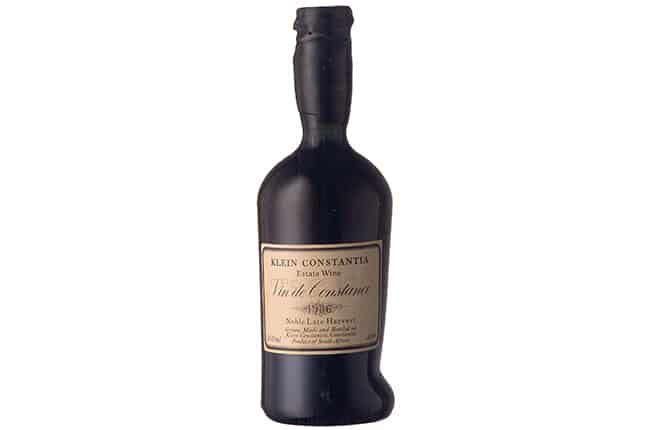
The modern iteration of Vin de Constance was revived in 1986 by Klein Constantia estate, located in the foothills of the Constantiaberg mountain. The estate meticulously researched historical records to recreate this historic wine style. The estate sits on part of the original Constantia farm, making it a direct heir to this winemaking tradition.
What Type of Wine is Vin de Constance?
Vin de Constance is a natural sweet wine, specifically a dessert wine made from late-harvest grapes affected by noble rot (Botrytis cinerea). It’s produced exclusively from Muscat de Frontignan grapes, also known as Muscat Blanc à Petits Grains. This wine style falls into the category of botrytis wines, similar to Sauternes from Bordeaux Bordeaux is one of France’s most famous … More or Sweet Chenin Blanc from the Loire Valley in France or Tokaji from Hungary, representing one of the world’s most prestigious dessert wine styles.
How is Vin de Constance Made?
The production of Vin de Constance is a meticulous process that relies heavily on natural conditions:
Grape Selection: Only Muscat de Frontignan grapes are used, grown in the unique microclimate of Constantia, where cool ocean breezes from False Bay create ideal conditions for botrytis development.
Noble Rot Development: The grapes are left on the vine well into autumn, allowing Botrytis cinerea to concentrate the sugars and develop complex flavors. The fungus punctures the grape skins, causing water to evaporate and leaving behind concentrated sugars and acids.
Selective Harvesting: Grapes are hand-picked in multiple passes through the vineyard, selecting only those berries with the perfect level of botrytis infection. This process can take several weeks.
Fermentation: The concentrated must is fermented slowly in stainless steel tanks. The high sugar content means fermentation naturally stops before all sugars are converted, leaving residual sweetness balanced by natural acidity.
Aging: The wine is aged in stainless steel to preserve its fresh, fruity character, typically for 12-18 months before bottling.
Flavors
Vin de Constance is a full-bodied and offers a complex palette of intense flavours that evolve beautifully with age:
- Tropical fruits: Pineapple, passion fruit
- Stone fruits: Apricot, peach, and nectarine
- Lively Citrus zest: Orange zest and candied lemon
- Honey: Rich
 Rich wine refers to wines that deliver a… More, floral honey notes
 - Spice: Ginger, cinnamon, and subtle nutmeg
- Dried fruits: Raisins, dried mango, and figs with extended aging
- Mineral: A distinctive flinty mineral backbone from the granite soils

Aromas
The aromatic profile of Vin de Constance is intensely perfumed and multi-layered on the nose:
- Floral: Rose petals, orange blossom, honeysuckle, and jasmine
- Fruity: Fresh and dried tropical fruits, citrus peel
- Honeyed: Acacia honey and beeswax
- Spiced: Warm baking spices and candied ginger
- Herbal: Subtle hints of mint and dried herbs
- Botrytis character: The distinctive “noble rot” aroma that adds complexity and depth
Food Pairings
Vin de Constance’s versatility makes it excellent for various pairing opportunities:
Classic Pairings:
- Foie gras and pâtés
- Blue cheeses (Roquefort, Stilton)
- Fruit tarts and crème brûlée
- Dark chocolate desserts
Creative Pairings:
- Spiced Asian cuisine (Thai or Indian curries)
- Fresh fruit salads with tropical fruits
- Aged hard cheeses
- Nut-based desserts and baklava
Serving Suggestions:
- Serve well-chilled (6-8°C)
- Use smaller dessert wine glasses to concentrate aromas
- Can be enjoyed on its own as a meditation wine
Conclusion
Vin de Constance represents one of the world’s most historically significant and qualitatively exceptional dessert wines. Its revival at Klein Constantia has restored South Africa’s position in the pantheon of great sweet wine producers. The wine’s perfect balance of sweetness, acidity, and complexity, combined with its remarkable aging potential (often improving for 20+ years), makes it a true treasure for wine enthusiasts.
This wine embodies the unique terroir of Constantia, where maritime influences, granite soils, and favorable conditions for noble rot combine to create something truly special. Whether enjoyed young for its fresh, vibrant fruit character or aged for its developed honeyed complexity, Vin de Constance continues to honor its illustrious heritage while establishing new chapters in South African winemaking excellence.