
Viognier
Viognier (pronounced vee-own-YAY) is an ancient white wine grape variety that traces its roots to the northern Rhône Valley of…
definition
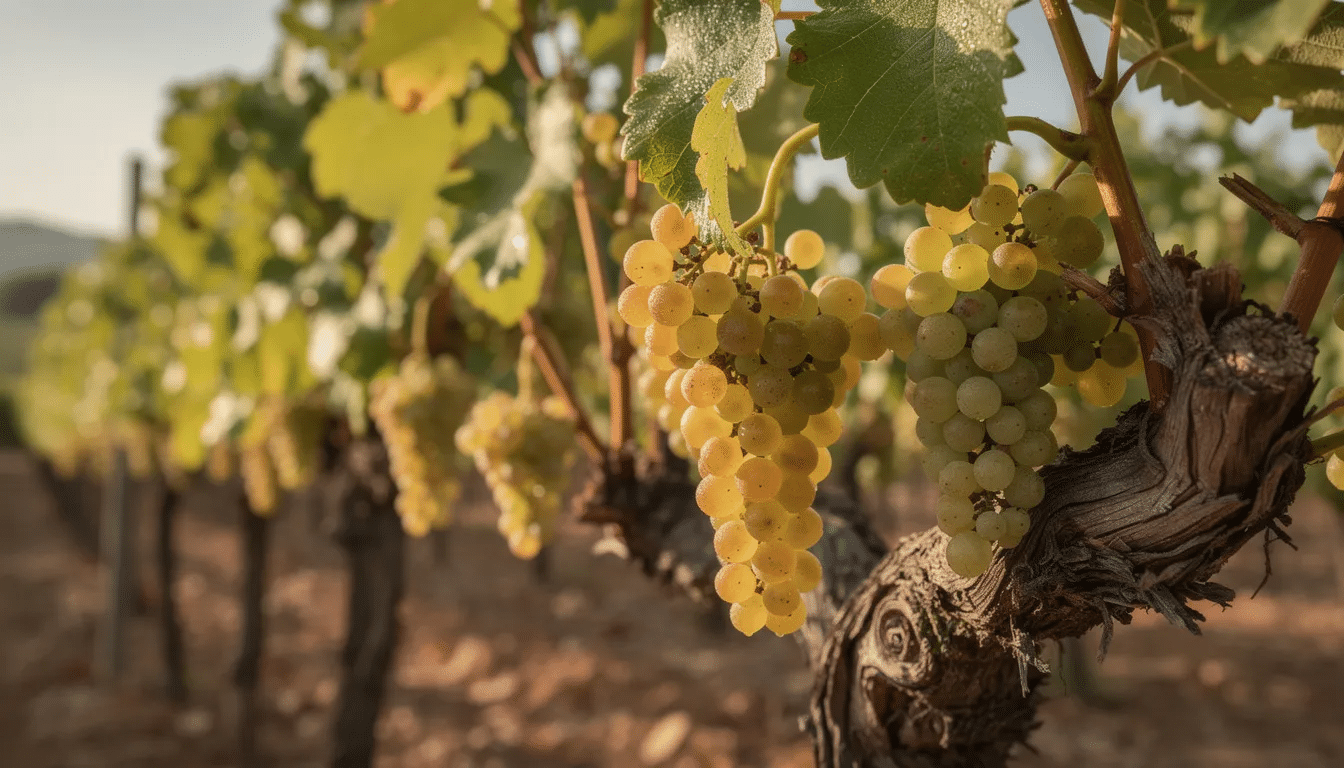
Viognier (pronounced vee-own-YAY) is an ancient white wine grape variety that traces its roots to the northern Rhône Valley of France, specifically the Condrieu region. Historical records suggest the grape may have been brought to the area by the Romans around 281 AD, though its exact origins remain debated. By the mid-20th century, Viognier nearly faced extinction—by 1968, only about 14 hectares remained planted worldwide, all in Condrieu. This near-disappearance made it one of the rarest wine grapes in existence, due in part to the age and health of the vines, as well as the grape’s reputation for low yields, which posed significant challenges for maintaining Viognier plantings.
The grape’s revival started in the 1980s and 1990s when winemakers rediscovered its unique qualities. Since then, significant plantings of Viognier have occurred globally, and the grape is now recognized as a distinctive varietal with its own sensory profile and style. Today, while still considered a specialty grape, Viognier has spread across the globe and developed a devoted following among wine enthusiasts seeking something beyond the ubiquitous Chardonnay and Sauvignon Blanc.
What Makes Viognier Unique
Viognier is a highly aromatic and full-bodied white wine, celebrated for its floral and stone fruit aromas, oily texture, and low to moderate acidity, making it stand apart from other white wines through several distinctive characteristics:
Aromatic Intensity: Viognier is exceptionally aromatic, often compared to Gewürztraminer in its perfumed nature. The grape produces wines with an explosive bouquet and strong perfume, featuring floral notes such as jasmine and orange blossom, as well as expressive fruit aromas that announce themselves the moment you approach the glass.
Low Acidity: Unlike many white wines, Viognier naturally has low acidity, giving it a softer, rounder mouthfeel. This creates a wine that feels lush and full-bodied rather than crisp and refreshing.
Oily Texture: The wine often has a distinctive, viscous, almost oily texture that coats the palate—a quality that sets it apart from lighter-bodied whites. This rich mouthfeel is enhanced by ripe fruit flavours like peach, apricot, and mango, which contribute to its signature style.
Blending Partner: In the northern Rhône, Viognier serves a unique role in red wine production. Winemakers traditionally add small amounts (up to 20%) to Syrah-based wines like Côte-Rôtie to stabilize color and add aromatic complexity—a practice called co-fermentation.
Challenging to Grow: Viognier is a difficult grape to cultivate. It’s prone to disease, has irregular yields, and requires specific climate conditions. The narrow window for optimal ripeness makes harvest timing critical—pick too early, and the wine lacks aromatics; wait too long, and it loses freshness. Viognier is often produced as a single varietal wine to showcase its unique fruit aromas and floral character.
Where Viognier Grows In The World
France – The Birthplace: The northern Rhône Valley remains Viognier’s spiritual home. The vineyards of Condrieu and Château-Grillet are renowned for their terroir and history, producing the world’s most prestigious examples, with wines that command premium prices. These steep, granite-based slopes provide ideal conditions for the grape.
United States: California has embraced Viognier enthusiastically, particularly in regions like Paso Robles, Santa Barbara County, and the Sierra Foothills. Californian Viogniers have become prominent in the state’s wine industry, known for their higher alcohol content, expressive aromatics, and their role in both varietal wines and blends. Virginia has also emerged as a surprising success story for the variety, with its climate proving well-suited to the grape.
Australia: The Barossa Valley, Eden Valley, and Adelaide Hills produce excellent Viognier, often with riper, more tropical fruit characteristics than their French counterparts. Australian winemakers have also pioneered Viognier-Shiraz blends. The grape thrives in hot and dry climates, but moderate climate regions like Adelaide Hills also support high-quality Viognier production.
South America: Chile and Argentina have planted increasing acreages, with the grape thriving in warmer inland valleys. These regions produce approachable, fruit-forward styles at accessible price points. Moderate climate areas in South America are also proving favorable for balanced and aromatic Viognier wines.
Other Regions South Africa, New Zealand, and even parts of Italy and Spain now cultivate small amounts of Viognier, each region adding its own interpretation to the variety.
How Winemakers Use Viognier
Winemakers employ a range of winemaking techniques—including careful irrigation, pruning, and disease management—to maximize the potential of Viognier grapes and produce expressive wines.
Fermentation: Most Viognier is fermented in stainless steel to preserve its aromatic qualities, though some producers use neutral oak or concrete eggs. Barrel fermentation is less common but can add complexity and texture.
Lees Contact: Extended time on the lees (dead yeast cells) is frequently employed to enhance the wine’s body and add a subtle creaminess that complements its natural texture.
Blending: Beyond the traditional Rhône practice of co-fermenting with Syrah, Viognier is increasingly blended with other white varieties such as Roussanne, Marsanne, or Grenache Blanc to create Rhône-style white blends. These blends balance Viognier’s perfume with more structure and acidity.
Malolactic Fermentation: Some winemakers allow partial or complete malolactic fermentation to soften the wine further and add buttery notes, though this can reduce the vibrant fruit character.
Oak Aging: When used, oak is typically applied judiciously—new oak can overwhelm Viognier’s delicate aromatics. Many producers prefer older barrels or minimal oak influence, but oak fermentation or aging can impart subtle vanilla notes to the wine.
Despite its lush aromatics and fruit-forward profile, Viognier is predominantly dry, with most wines made in a dry style rather than sweet.
Tasting Notes and Wine Specifications
Color: Viognier typically displays a medium to deep golden-yellow hue, often with slight green reflections in younger wines. The color is generally more intense than wines like Pinot Grigio but lighter than heavily oaked Chardonnay.
Aroma: The nose is where Viognier truly shines. Expect an intoxicating perfume of apricot, peach, and honeysuckle, often accompanied by notes of orange blossom, jasmine, and ripe pear. Mineral undertones, particularly in French examples, add complexity. Some wines show hints of musk, ginger, or tangerine peel. With age, Viognier can develop honey aromas that add further depth to its bouquet.
Flavor: On the palate, stone fruits dominate—think apricot, yellow peach, and nectarine. Tropical notes of mango and pineapple may appear in warmer-climate versions. The flavor profile often mirrors the aromatics with floral undertones and a characteristic hint of spice. In some aged examples, a touch of honey can be detected, enhancing the wine’s richness. The finish may show almond or citrus peel notes.
Structure:
- Body: Medium to full-bodied with a notably rich, viscous texture
- Acidity: Low to medium, creating a soft rather than crisp impression
- Alcohol: Typically 13.5-15%, contributing to the wine’s weight
- Tannins

Aging: Most Viognier is best drunk young, ideally within 2-3 years of vintage, to preserve its vibrant aromatics and fresh fruit character. The wine’s low acidity generally doesn’t support long-term aging. However, exceptional examples from Condrieu can develop beautifully for 5-7 years, gaining honeyed complexity while maintaining elegance.
Food Pairing: Viognier’s unique profile makes it versatile with food:
- Excellent matches: Asian cuisine (Thai, Vietnamese), especially dishes with coconut milk or mild spice; roasted chicken; pork tenderloin with fruit sauces; lobster; crab cakes; soft cheeses like Brie or triple-cream varieties
- Classic pairings: Moroccan tagines, Indian butter chicken (mild versions), grilled fish with tropical salsa, risotto with saffron
- Sweet wine styles: Late-harvest or dessert Viognier can pair beautifully with spicy foods, fruit-based desserts, or blue cheeses.
- Avoid: Very acidic dishes or heavily spiced foods that might overwhelm the wine’s subtle aromatics
Serving and Storing
To truly savor the unique characteristics of Viognier wine, proper serving and storage are essential. This incredibly aromatic wine is best enjoyed slightly chilled, ideally between 50-55°F (10-13°C) – quite precise, but worth the effort. Serving Viognier at this temperature preserves its delicate floral aromas of honeysuckle and lemon, allowing its vibrant fruit flavors and honeyed notes to shine on the palate.
When it comes to storage, keep your bottles of Viognier in a cool, dark place, away from direct sunlight and heat sources. This helps maintain the wine’s highly aromatic profile and prevents premature aging or oxidation (nobody wants that!). If you’re storing an open bottle, reseal it tightly to keep air out and preserve those signature aromas and flavors – trust me, you’ll want every drop to be perfect!
While oak barrels are sometimes used in the winemaking process to add complexity and depth, they don’t affect how you should serve the wine (interesting fact!). Focus instead on enjoying Viognier’s unique taste profile – its floral, fruity, and honeyed notes – at the right temperature and in the right glassware. Whether you’re a longtime Chardonnay fan or new to aromatic wines, following these simple serving and storing tips will help you experience Viognier at its aromatic and flavorful best.
Today
The Viognier revival continues to gain momentum. While it represents less than 1% of global wine grape plantings, the variety has carved out a significant niche among wine lovers seeking alternatives to mainstream whites. Quality has improved dramatically as winemakers better understand the grape’s needs, and prices have become more accessible outside of premium French appellations.
The wine has found particular success in the natural and minimal-intervention wine movements, where its inherent aromatic intensity requires less manipulation. Younger consumers drawn to aromatic varieties have helped drive renewed interest, and Viognier frequently appears on progressive wine lists at restaurants seeking to offer something different.
Climate change may actually benefit Viognier in some regions, as warming temperatures help the grape achieve full ripeness in areas that were previously marginal for its cultivation.
Should You Try It?
Absolutely, especially if you:
- Enjoy aromatic white wines but find Gewürztraminer too sweet or intense
- Appreciate fuller-bodied whites with texture rather than high-acid crisp wines
- Want to explore beyond Chardonnay but still prefer substantial white wines
- Love stone fruits and floral aromatics in wine
- Regularly eat Asian or moderately spiced cuisine
Viognier might not be for you if you:
- Strongly prefer high-acid, mineral-driven whites
- Find aromatic wines overwhelming or perfumed
- Primarily drink light, refreshing wines
- Seek wines with long aging potential
Where to Start: Begin with a mid-priced California or Australian bottle ($15-25) to understand the variety’s character without breaking the bank. If you enjoy it, explore a Condrieu for a more refined, terroir-driven expression.
Conclusion
Viognier represents one of wine’s great comeback stories—a grape that nearly disappeared forever but has reemerged as a distinctive voice in the white wine world. Its captivating aromatics, lush texture, and unique personality offer something genuinely different from the usual suspects on wine shelves.
While it may never achieve the popularity of Chardonnay or Sauvignon Blanc, Viognier doesn’t need to. Its appeal lies precisely in being special—a wine that rewards curiosity and offers an experience that’s immediately recognizable once you know what to look for. That heady perfume of apricots and flowers, the silky texture, and the way it transforms a simple roast chicken into something memorable make Viognier worth seeking out.