The Role of Grape Selection in Non-Alcoholic Wine Quality

The world of non-alcoholic beverages is booming, and for those who love the taste of wine but not the alcohol, non-alcoholic wine offers an exciting alternative. But what grapes create these alcohol-free versions? This article, The Role of Grape Selection in Non-Alcoholic Wine Quality, explores the use of grapes for non alcoholic wine, examining the different varieties, the dealcoholization process, and some surprisingly delicious alcohol-free options. We’ll also discuss how alcoholic wines are stripped of their alcohol and become alcohol free.
Grapes for Non-Alcoholic Wine: A Deep Dive
The best grapes for non-alcoholic wine often mirror those used in traditional winemaking. Popular red wine grape choices include Cabernet Sauvignon
 Merlot is one of the world's most widely... More, and Syrah
 Syrah is a full-bodied red wine and is o... More. Common white grape varietals include Chardonnay
 Chardonnay is a white wine made from gre... More, Airén
 What Type of Wine is Airen: A Guide to T... More, Muscat, Sauvignon Blanc
 Pronunciation: SO-vee-nyohn BLAHN (Frenc... More, and Riesling
 Riesling is one of the world's most nobl... More.
White Grapes
Chardonnay, known for its buttery "Buttery" is one of the most distinctive... More and oaky notes, lends itself well to non-alcoholic white wines. It usually retains its characteristic flavors even after the wine has been dealcoholized. Sauvignon Blanc, with its crisp
 Crisp wines come from several key grape ... More acidity and citrusy aromas, offers a refreshing option in the emerging array of non-alcoholic wines.
Riesling is a versatile grape that creates wines ranging from dry to sweet, and also makes delicious non-alcoholic white wines. Gewürztraminer Gewürztraminer is one of the wine world'... More grapes offer another flavorful option for white wines.
Red Grapes
For non-alcoholic red wines, Pinot Noir Pinot Noir is one of the world’s most re... More, a light-bodied red wine grape with earthy
 Earthy wines are those that evoke aromas... More undertones, provides delicate complexity. Cabernet Sauvignon, with its full-bodied structure and dark fruit flavors, adds robustness.
Merlot, known for its softness and approachable tannins
The Dealcoholization Process
Several techniques gently remove the alcohol while preserving the grape’s natural flavors. Creating non-alcoholic wine from regular wine is a complex process.
Vacuum Distillation
Vacuum distillation lowers the wine’s boiling point, allowing alcohol to evaporate at a lower temperature. This helps maintain flavor and aroma. Although sometimes there’s a slight change in the overall flavor profile, winemakers will correct this.
Reverse Osmosis
Reverse osmosis filters wine through a fine membrane. It separates the alcohol from other components. This creates a non-alcoholic wine while preserving the wine’s characteristics.
Many winemakers prefer to use reverse osmosis because it’s gentle, causing fewer changes to aromas and flavors. This gentle approach preserves the subtle complexities of the original wine.
Spinning Cone Column
The spinning cone column (SCC) gently spins the non-alcoholic wine, slowly extracting the alcohol. This innovative process carefully preserves flavor. SCC minimizes changes to the wine’s natural profile.
Popular Non-Alcoholic Wine Options
Non-alcoholic wines come in almost any grape variety. Sparkling white Chardonnay and Cabernet Sauvignon are among the popular non-alcoholic choices. Complex Merlot non-alcoholic options also offer robust flavor profiles for drinkers who are looking for a more lively red wine.
The alcohol-free wine industry continues to grow in popularity. Refining production methods also helps increase choices. Premium non-alcoholic options now provide greater variety.
Is Non-Alcoholic Wine the Same as Grape Juice?
Non-alcoholic wine undergoes fermentation just like alcoholic wines. While both non-alcoholic wines and traditional wine come from grapes, many mistakenly confuse them with or consider them a premium grape juice. Dealcoholization then removes the alcohol. Grape juice is fresh-pressed, unfermented juice.
Finding the Perfect Non-Alcoholic Wine
Wine enthusiasts today have plentiful access to non-alcoholic wines. The sheer volume of online vendors with deep inventories continues to grow. Some smaller alcohol-free shops also stock harder-to-find names from producers specializing in non alcoholic or dealcoholized wines.
For example, Thomson & Scott Noughty Organic Sparkling Grape Juice sells online at Drink Dry (source). French Bloom Le Rosé Organic French Bubbly sells online from Drink Dry for AED 190 (source).
Vintense Prestige Blanc de Blancs Blanc de Blancs is a French term that li... More goes for AED 68 online at Drink Dry and on Amazon. Wild Idol Alcohol-Free Sparkling Rosé goes for AED 175 from MMI.
Natureo Grape Beverage by Familia Torres is AED 35 online at Drink Dry. For a red blend, Lyre’s Classico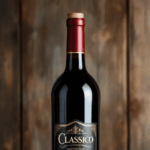 “Classico” does not refer to a specific ... More sells online at MMI or on Amazon.
FAQs about Grape Selection in Non-Alcoholic Wine Quality
How is Non-Alcoholic Wine Made With Grapes?
Non-alcoholic wine isn’t made directly from grape juice. It starts as regular wine, undergoing fermentation and maturation. Afterward, methods like vacuum distillation or reverse osmosis are used to remove the alcohol. This helps retain flavors in an alcohol free sparkling wine.
What Types of Grapes Are Best For Wine?
Chardonnay and Sauvignon Blanc are popular for non-alcoholic white wines. They maintain their flavors even after the alcohol has been removed. Many traditional wine grapes are suitable. Look for premium non-alcoholic grape wine.
For non-alcoholic reds, Cabernet Sauvignon and Merlot work well. Because some of the flavor is lost during dealcoholization, achieving the ideal final flavors is important. Some consider that flavors in traditional wines are far superior.
Is There Non-Alcoholic Grape Wine?
Yes, “non-alcoholic wine” and “non-alcoholic grape wine” are essentially the same. Some labels use "grape beverage", especially with trace amounts of alcohol. Some non-alcoholic wines are a blend of multiple grape juices.
Is Non-Alcoholic Wine Grape Juice?
No. Grape juice is fresh-pressed and unfermented. Non-alcoholic wines ferment and mature in the same manner as alcoholic wines, and even low-alcohol wines are often considered as being “non-alcoholic.” The alcohol is removed later. Look for sparkling grape juice as a good non-alcoholic option.
This gives non-alcoholic wine those wine-like complexities, whether using red wines or white wines. Many of the same wine grapes serve as starting point inputs, whether producing traditional or non-alcoholic wines.
Conclusion
High-quality grapes make the best non-alcoholic wines. These grapes sometimes come from vineyards intended for wines without alcohol. Carefully selecting and processing wines before dealcoholization is critical. Manufacturers strive to retain aromas. So, non-alcoholic white wines taste fresh. The goal is for non-alcoholic wine and spirits options to have a taste that resembles familiar wine grape characteristics.
Grapes for non-alcoholic wine represent a growing drinks industry sector. This industry offers a wide variety of choices. The technology maintains more of the wine’s natural complexities. Ultimately, non-alcoholic wine, made from various white grape juice and red wine grapes, offers an experience close to traditional wine. Rosé wine Rosé wine has ancient roots, potentially... More grapes can also be a good option to explore.