
Fortified Wine
Fortified wine comes in many different styles and is a wine that has been strengthened with the addition of distilled…

definition
Fortified wine comes in many different styles and is a wine that has been strengthened with the addition of distilled spirits, typically brandy. This process increases the alcohol level to between 15-22% ABV, significantly higher than regular table wines, which range from 11-15% ABV. The fortification process not only increases alcohol content but also preserves the wine, allowing it to age for decades or even centuries, depending on the style and the winery that produces it.
During aging, many fortified wines are protected from oxygen exposure, which helps preserve their primary flavors and character. A collection of fortified wines can showcase a wide variety of styles and aging processes, making them especially valuable for enthusiasts and connoisseurs.
What Grape Varietals are Used to Make Fortified Wine?
The grape varietals used in fortified wine production vary by region and style, but several stand out as particularly well-suited to fortification:
Portugal and Port Wine Grapes:
- Touriga Nacional
 Touriga Nacional is Portugal’s most pres… More (often considered the king of Port grapes)
- Touriga Franca
- Tinta Roriz (TempranilloTempranillo is Spain’s main grape and on… More)
- Tinta Barroca
- Tinto Cão
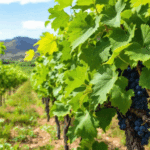

Spain and Sherry Grapes:
- PalominoThe Palomino grape, especially the Palom… More Fino (makes up 95% of Sherry production)
- Pedro Ximénez (PX)
- Moscatel

Portugal and Madeira Grapes:
- Sercial
- Verdelho
- Bual (Boal)
- Malmsey (MalvasiaMalvasia represents one of the most anci… More)
- Tinta Negra

Other Notable Varieties:
- White grapes such as Muscat (used in various fortified wines worldwide)
- Grenache (used in France for Vin Doux Naturel wines)
- GewürztraminerGewürztraminer is one of the wine world’… More (used in France for some Alsatian fortified wines)

New York vineyards also produce a range of fortified wines, including port-style wines, showcasing the regional diversity and unique wine varieties found in New York State.
Types of Fortified Wines
· Port – This beauty comes straight from Portugal and is celebrated around the world for its rich, sweet flavors and velvety texture that feels like silk on your tongue! It’s the classic dessert wine that has been making people happy for centuries.
· Sherry – Hailing from sunny Spain, this remarkable wine offers such an amazing range that it’s almost unbelievable! You can go from bone-dry Fino (perfect for those who like things crisp) all the way to lusciously sweet Pedro Ximénez that’s like liquid candy. Talk about versatility!
· Madeira – Crafted on the volcanic island of the same name (how cool is that!), this wine is famous for its distinctive nutty and caramel flavors. What makes it really special is the unique way it ages through heat and oxidation, creating magic in a bottle!
· Marsala – This Sicilian gem is enjoyed both as a sweet sipping wine and as a flavorful ingredient that chefs absolutely love to cook with. The depth and complexity of this wine are something to behold!
· Commandaria – Now here’s something special! This wine comes from Cyprus and is actually one of the world’s oldest wines (we’re talking ancient history here!). It’s known for its intense sweetness and rich history that goes back thousands of years.
· Vermouth – This one stands apart from the crowd as an aromatized fortified wine that’s infused with all sorts of botanicals and spices. It’s become a staple in classic cocktails thanks to its herbal, sometimes bittersweet flavor that bartenders just can’t get enough of!
With such an incredible wide range of styles available – from dry aperitifs that wake up your palate to sweet dessert wines that end a meal perfectly – fortified wines truly offer something amazing for every palate and occasion you can imagine!
How is Fortified Wine Made?
The fortification process varies depending on the style of wine being produced:
During Fermentation (Sweet Fortified Wines):
- Grapes are crushed, and fermentation begins naturally
- When desired sugar levels remain (usually 2-4 days), neutral grape spirit (brandy) is added
- The high alcohol content (around 77% ABV spirit) kills the yeastWine yeast is a microorganism essential … More, stopping fermentation
- Residual sugars remain, creating a sweet wine
- The wine is then aged according to the specific style requirements to retain its distinct character.
- Wines may be blended at various stages to achieve the desired style and consistency.

After Fermentation (Dry Fortified Wines):
- Grapes ferment completely to dryness
- Fortifying spirit is added after fermentation is complete
- The wine may then undergo additional development and maturation processes
- Some styles (like certain Sherries) develop under a layer of yeast called “flor”
- Wines may be blended to create specific styles, such as cream sherry, which is produced when blending dry oloroso with sweet Pedro Ximénez.
Special Processes:
- Solera System: Used in the production of most sherries, this method involves fractional blending across multiple vintages. The solera system allows for consistent blending of different vintages to achieve a house style. Similarly, other fortified wines use blending practices to ensure balance, consistency, and complexity.
- Estufagem: Used in Madeira, where wines are heated to simulate tropical aging conditions
- Canteiro: Traditional Madeira aging in warm attics using natural heat
After aging, some fortified wines are filtered to stabilize and clarify them before bottling; others, such as vintage ports and ‘En Rama’ sherries, are intentionally left unfiltered to preserve complexity.
Regional Variations
Fortified wines are crafted in amazing regions all around the globe, and each one brings its own incredible characteristics and styles to the table!
Portugal’s Douro Valley – the absolute king of Port production! · The vineyards here are absolutely sun-drenched and hot, creating perfect conditions for grapes with sky-high sugar content · This intense heat results in those rich, sweet Port wines with bold flavors that Port lovers go crazy for! · The terraced vineyards along the Douro River (some dating back over 2,000 years!) are a UNESCO World Heritage site
Spain’s Jerez Region – where Sherry was born and perfected! · The climate here is much cooler and more humid compared to the Douro (quite the contrast!) · The famous chalky albariza soils are pure magic for grape growing · Produces an incredible range from bone-dry Fino to decadently sweet Pedro Ximénez · Each style perfectly reflects this distinctive terroir that you can’t find anywhere else
Madeira – this rugged Atlantic island is something special! · Shaped by dramatic volcanic soils that give the wines incredible mineral complexity · The unique estufagem maturation process (where wines are literally heated!) gives Madeira its signature complexity and legendary longevity · Some Madeira wines can last for centuries (talk about investment potential!)
Sicily’s Marsala – another absolute standout from the Mediterranean! · The warm Mediterranean climate here is perfect for growing grapes that work beautifully in both sweet and dry styles. ·The Grillo, Catarratto, and Inzolia grape varieties thrive in this sunshine paradise. Production methods range from traditional to modern, giving winemakers incredible flexibility
Cyprus’s Commandaria – get ready for a taste of ancient history! · Made with sun-dried grapes using techniques that date back over 800 years · This offers wine lovers an authentic taste of ancient winemaking traditions (the Knights Templar were huge fans!) · The Xynisteri and Mavro grapes are dried in the blazing Cyprus sun for weeks
These incredible regional differences—spanning everything from climate and grape varieties to production methods—create this absolutely vibrant tapestry of fortified wines! Each region tells its own unique story through flavor profiles that are deeply connected to its sense of place.
Color
Fortified wines display a remarkable spectrum of colors:
Ruby Styles: Deep, vibrant red to purple hues (young Ports, some Madeiras)
Tawny Styles: Amber, bronze, and mahogany tones developed through oxidative aging (aged Ports, some Sherries)
Golden to Amber: Light straw to deep amber (Fino and Amontillado Sherries, some Madeiras)
Deep Brown: Rich, dark brown colors (Pedro Ximénez Sherry, old Madeiras)
Pale Straw: Very light, almost colorless (young Fino Sherry)
The color Wine color refers to the visual appearan… More often indicates the wine’s age and style, with younger wines showing more vibrant primary colors and older wines developing complex amber and brown hues through oxidation.
Aroma
Fortified wines offer incredibly complex aromatic profiles:
Young Fortified Wines:
- Fresh fruit aromas (berries, stone fruits)
- Floral notes (roses, violets)
- Spice characteristics from grape varieties
Aged Fortified Wines:
- Dried fruits (raisins, figs, dates)
- Nuts (almonds, walnuts, hazelnuts)
- Caramel and toffee notes
- Leather and tobacco
- Coffee and chocolate
- Sea breeze and salinity (especially in Sherry)
Style-Specific Aromas:
- Port: Rich berry fruits, chocolate, spices
- Sherry: Yeasty, nutty, sometimes salty marine notes
- Madeira: Roasted nuts, burnt caramel, tropical fruits
Flavor
The flavor profiles of fortified wines are as diverse as their production methods:
Sweetness Levels:
- Bone dry (Fino Sherry)
- Off-dry (Sercial Madeira)
- Medium-sweet (Amontillado Sherry, Tawny Port)
- Sweet (Ruby Port, Malmsey Madeira)
- Lusciously sweet (Pedro Ximénez Sherry)
An example of a bone-dry fortified wine is Fino Sherry, which showcases crispness and a delicate flavor profile.
Flavor Characteristics:
- Fruit Flavors: Fresh to dried fruits, depending on age and style
- Secondary Flavors: Nuts, spices, herbs, minerals
- Tertiary Flavors: Leather, tobacco, coffee, chocolate, caramel
Structural Elements:
- Higher alcohol provides warmth and body
- Acidity balances sweetness and provides freshness
- Tannins (in red fortified wines) add structure and aging potential
Some fortified wines have a low alcohol level, typically between 15% and 16.4% ABV, which influences their style and maturity.
Structure
Fortified wines have unique structural characteristics:
Alcohol: 15-22% ABV provides body, warmth, and preservation
Acidity: Essential for balance, especially in sweet styles. High acidity prevents cloying sweetness and adds freshness
Tannins: Present in red fortified wines, contributing structure and aging potential
Sweetness: Ranges from bone dry to intensely sweet, balanced by acidity and alcohol
Body: Generally full-bodied due to higher alcohol content and often residual sugar
Balance: The interplay between alcohol, acidity, sweetness, and flavor intensity creates complexity
Aging
Fortified wines are renowned for their aging potential:
Aging Styles:
Oxidative Aging:
- Wines aged in partially filled barrels
- Develops amber colors and nutty, dried fruit flavors
- Examples: Tawny Port, Amontillado Sherry, Madeira
Reductive Aging:
- Wines aged in full containers with minimal oxygen contact
- Preserves primary fruit flavors and color
- Examples: Vintage Port, Ruby Port
Biological Aging:
- Aging under flor yeast in Sherry production
- Creates unique savorySavory wine refers to wines that exhibit… More, yeasty flavors
- Examples: Fino and Manzanilla Sherry

Aging Periods:
- The aging period varies by style and can significantly influence the wine’s character.
- Young styles: 2-4 years
- Aged styles: 10-40+ years
- Vintage styles: Can age for 50-100+ years
Storage Considerations:
- Store bottles on their side if cork-sealed
- Maintain consistent, cool temperatures (55-65°F)
- Avoid direct sunlight and vibration
- Some styles (like Vintage Port) benefit from decantingWine decanting serves two primary purpos… More before serving
- Certain fortified wines continue to develop complexity during bottle aging, and some styles are intentionally left unfiltered to allow further maturation and flavor development in the bottle, which may result in sediment.

Food Pairing
Fortified wines offer exceptional versatility in food pairings, allowing you to match these wines with complementary dishes to enhance the overall experience:
Dry Fortified Wines (Fino Sherry, Sercial Madeira):
- Appetizers and tapas
- Seafood and shellfish
- Olives and nuts
- Light cheese and charcuterie
Medium-Dry Styles (Amontillado, Verdelho):
- Roasted poultry and pork
- Mushroom dishes
- Medium-aged cheeses
- Soup courses
Sweet Styles (Port, Sweet Sherry, Malmsey):
- Chocolate desserts
- Blue cheese and aged hard cheeses
- Nuts and dried fruits
- Rich, creamy desserts
Specific Pairings:
- Vintage Port: Dark chocolate, Stilton cheese, walnuts
- Tawny Port: Crème brûlée, caramel desserts, aged cheddar
- Pedro Ximénez Sherry: Vanilla ice cream, dark chocolate cake
- Fino Sherry: Jamón ibérico, marcona almonds, oysters
Should You Try Fortified Wine?
Absolutely! Fortified wines offer several compelling reasons to explore them:
For Wine Enthusiasts:
- Incredible complexity and depth of flavor
- Unique production methods create distinctive styles
- Exceptional aging potential and value
- Rich history and cultural significance
For Newcomers:
- Fortified wines are available from a wide range of brands, each offering unique styles and house characteristics.
- Wide range of styles from dry to sweet, ranging across regions and price points.
- Available at various price points, from affordable to premium, making them accessible to different budgets.
- Increasing availability in stores and online platforms ensures more consumers can easily find and enjoy fortified wines.
- Generally food-friendly
- Can be enjoyed as an aperitif or with dessert
- Fortified wines appeal to a broad spectrum of consumers, with average consumption per person rising as awareness grows.
- Often more affordable than comparable quality table wines
Investment Potential:
- Vintage Ports and aged Madeiras can appreciate significantly
- Excellent cellaring wines that improve with age
- Some bottles can last for decades once opened
Occasions:
- Perfect for special celebrations
- Excellent conversation starters
- Ideal for cold-weather enjoyment
- Great for pairing dinners and tastings
Conclusion
Fortified wines represent one of wine’s most fascinating and rewarding categories. From the elegant, saline-tinged Fino Sherries of Andalusia to the rich, port-like sweetness of aged Madeiras, these wines offer an incredible range of flavors, styles, and experiences. Their unique production methods, exceptional aging potential, and remarkable food pairing versatility make them worthy of serious consideration for any wine lover’s cellar.
Their ability to age gracefully for decades, combined with their distinctive character and rich cultural heritage, makes them not just wines to drink, but wines to experience and remember.