
Muted Wine Aromas
Introduction to Wine Aromas When you drink wine, most of the fun comes from the muted wine aromas that you…
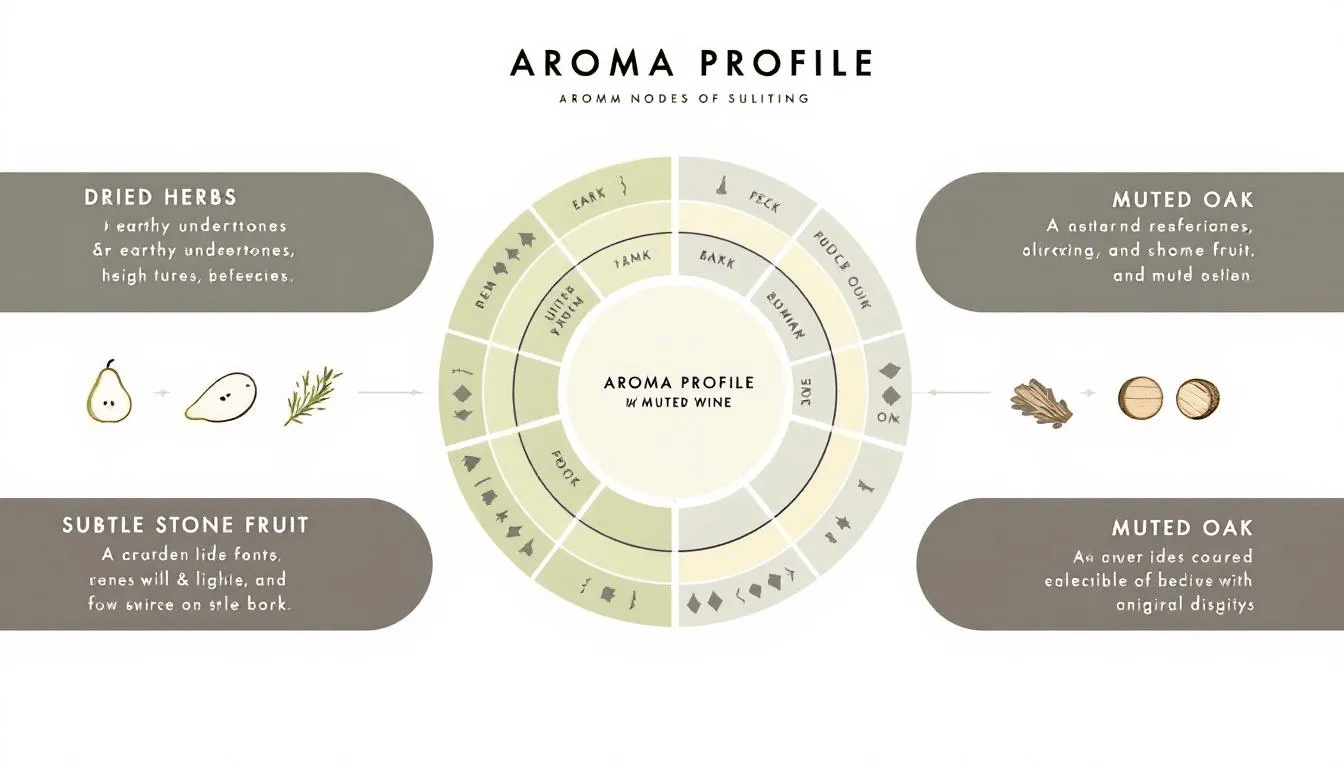
definition
Introduction to Wine Aromas
When you drink wine, most of the fun comes from the muted wine aromas that you smell before you even take a sip. Wine aromas are at the heart of tasting, giving you clues about the grape type, how the wine was made, and even a vineyard’s special character. A wine’s smell can be as simple as fresh fruit or as complex as a mix of spices, earth, and oak (making every glass a chance to find something new!).
The world of wine aromas originates from a combination of natural compounds and the decisions made by winemakers. For example, the crisp, grassy notes in Sauvignon Blanc or the creamy, buttery aromas in a well-made Chardonnay come from both the grape type and winemaking, such as malolactic fermentation or aging in oak barrels. As wine ages, its smells change. Young wines often burst with primary fruit scents, while older bottles, such as a mature Pinot Noir, might develop more complex, layered smells.
However, not all smells are good. Wine faults can create unpleasant smells that will diminish the wine’s true character. Sulfur compounds, for instance, can make smells like rotten eggs, burnt rubber, or a struck match, common wine problems that can occur during fermentation or bottling. Wild yeast or bacterial contamination may also lead to bad scents, such as Band-Aid or musty notes. Learning to spot these problems is key to understanding the difference between a wine that’s just young and tight and one that’s unfit to drink.
The aging process plays a huge role in the development of muted wine aromas. Many young wines, especially structured reds and certain white wines, may seem closed or quiet at first, but with time in the bottle, their flavors and smells can really open up. Oak barrels can add layers of vanilla, spice, or toast, while malolactic fermentation can give a creamy texture and smell. Not every wine is meant to age, though; some are made to be enjoyed young, when their fresh, bright smells are at their best!
Understanding wine aromas is essential for anyone who wants to really appreciate what’s in their glass. Whether you’re exploring the bright fruitiness of a young red wine or the complex aromas in an aged bottle, paying attention to smell can enhance your enjoyment and help you identify both high-quality and common wine issues. In the next section, we’ll break down the different types of smells you’ll find in wine, and what they reveal about how the wine was made.
What Are Muted Wine Aromas?
Muted wine aromas refer to a subdued, restrained, or less expressive aromatic profile. Instead of the wine opening up with vibrant, distinct scents, the bouquet appears quiet, closed, or difficult to perceive. The aromatic compounds are present but not readily volatile or detectable, making it challenging to identify specific fruit, floral, or other characteristic notes. Muted aromas can also lead to muted flavors on the palate, making it difficult to fully appreciate the wine’s taste and varietal character, as both the primary aromas and flavor expression may be suppressed.
This is different from a wine having no aroma; the scents are there, but they’re hidden, requiring more effort (such as swirling, warming, or aerating) to coax them out of the glass. Careful smelling and the use of precise words can help determine whether the muted quality is affecting the primary aromas or the overall flavor profile. Using the right word and understanding the specific words used in wine tasting are essential for accurately describing how the wine’s taste, flavor, and varietal expression are perceived.
What Causes Muted Wine Aromas?
Several factors can contribute to muted aromatics in wine:
Youth and Development Many wines, particularly age-worthy reds and some structured whites, undergo a “dumb phase” where their aromas temporarily shut down. This typically occurs after bottling and can last months or even years as the wine adjusts and integrates. During this time, the varietal character and primary aromas may be less apparent on the palate, and the wine’s balance of flavor and taste can seem subdued.
Temperature: Serving wine too cold significantly suppresses aromatic volatility. White wines served ice-cold and reds at suboptimal temperatures will exhibit muted flavors and characteristics until they warm up in the glass, allowing the full spectrum of taste and aroma to develop and become more interesting.
Recent Bottling: Recently bottled wines often display “bottle shock” or “bottle sickness”, a temporary condition where aromas become muted due to the trauma of bottling, filtration, and sulfur additions. This usually resolves within weeks to months. Chemical reactions involving residual sugar and alcohol can also temporarily suppress primary aromas and varietal character, especially in young red wines and rosé, making them taste less expressive until these reactions settle.
Reductive Winemaking Minimal oxygen exposure during winemaking (common in preserving freshness) can lead to temporarily muted aromas that need air exposure to fully express themselves. Many winemakers manage fermentations in the cellar to control the development of hydrogen sulfide and other volatile compounds that can cause muted flavors and off aromas. The winemaker’s approach to oxygen management, yeast nutrition, and cellar practices is crucial in preventing wine flaws related to reduction.
Aging Potential Wines built for long-term aging often have tightly wound aromatics in their youth, with tannins and structure taking precedence over immediate aromatic expression. As older wines undergo further chemical reactions, the balance of flavor and taste evolves, and interest in these changes is part of what makes wine aging so interesting. The palate experience of older wines can reveal new layers of complexity, especially after aeration or decanting.
Muted wine aromas can also result from vineyard practices, the choice of grapes (such as Petite Sirah), the use of new oak, and the winemaker’s approach to sweetness and palate structure. For example, vineyard management affects the development of primary aromas and varietal expression, while new oak can impart sweet or spicy notes that may temporarily mask other flavors.
The grapes selected, whether for a bold Petite Sirah, a delicate rosé, or a structured young red, significantly influence how the wine will taste and smell when consumed, as well as whether it is best to drink it young or allow it to age.
Understanding the words and terminology used to describe wine flaws, muted wine aromas, and primary aromas is essential for proper wine evaluation. Smelling, tasting, and using the right word or words to describe what you perceive helps you better understand the wine’s character and quality.
Are Muted Wine Aromas Considered Wine Faults?
Muted wine aromas are generally not considered a wine fault. They represent a temporary or intentional characteristic rather than a defect.
However, it’s important to distinguish muted aromas from actual faults:
- Muted wine aromas can be resolved through aeration, decanting, warming, or aging
- Faults like cork taint (TCA), excessive sulfur compounds, or oxidation
 What is the best way to aerate red wine … More create off-putting smells that worsen rather than improve with air exposure

To accurately assess wine flaws, it is essential to understand the words and terminology used to describe them. For example, the word “hydrogen sulfide” refers to a volatile sulfur compound responsible for a rotten egg aroma, which is a common wine flaw. Using the right words helps communicate and identify specific issues in wine evaluation.
If a wine remains completely devoid of pleasant aromas even after proper handling, it may indicate a problem. A “closed” or “tight” wine is a normal phase of development.
Typical Wines with Muted Aromas
Certain wine styles are more prone to displaying muted aromatics, particularly in their youth. The choice of grapes, vineyard practices, and winemaker decisions in the cellar all play a role in whether a wine exhibits muted aromas. These factors can influence the varietal expression, as well as how the wine’s balance, flavor, taste, and palate develop over time in both young reds and older wines.
Structured Red Wines
- Young Barolo and Barbaresco (NebbioloNebbiolo stands as one of Italy’s most n… More)
- Bordeaux
- Northern Rhône SyrahSyrah is a full-bodied red wine and is o… More (Hermitage, Côte-Rôtie)
- Age-worthy Cabernet Sauvignon
- Vintage Port
- Petite Sirah, a varietal known for its bold structure, can also show muted aromas in its youth




Premium White Wines
- Grand Cru
- RieslingRiesling is one of the world’s most nobl… More from top German and Alsatian producers
- White BordeauxBordeaux is one of France’s most famous … More blends that are designed for aging


Rosé and Other Styles
- Rosé wines, especially those with atypical colorWhat role do Anthocyanins play in wine? … More or style, can sometimes display muted aromas, which may affect their assessment and overall palate impression

Wines with Minimal Intervention
- Natural wines with reductive winemaking
- Wines that are bottled unfined and unfiltered
- Recently bottled wines across all categories
Conclusion
Muted aromas are a natural characteristic of many fine wines, particularly those designed for aging or recently bottled. Rather than being a flaw, they’re often a sign of a wine that needs time—either in the bottle to develop, or in the glass to open up.
When encountering a wine with muted aromas, try these approaches: decant the wine for 30-60 minutes, ensure proper serving temperature, swirl vigorously to introduce oxygen, or simply be patient if the wine is very young. Many of the world’s greatest wines go through quiet periods before blossoming into complex, expressive masterpieces.
Understanding muted aromas helps wine enthusiasts avoid premature judgments and appreciate that aromatic expression is dynamic, changing with temperature, time, and treatment. A seemingly shy wine today might be gloriously aromatic tomorrow—or in ten years.