
Pinot Blanc
Pinot Blanc, known as Pinot Bianco in Italy and Weissburgunder in Germany, is a white wine grape variety that emerged…
definition
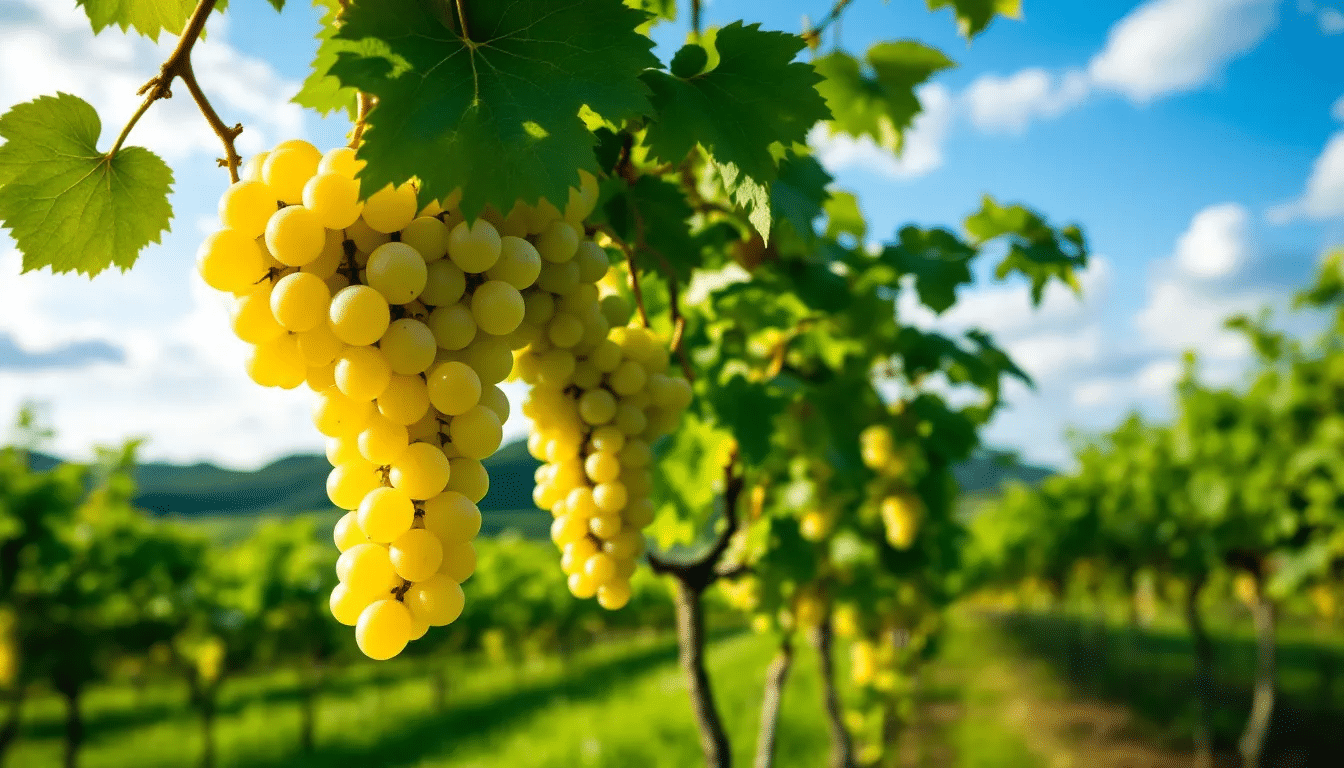
Pinot Blanc, known as Pinot Bianco in Italy and Weissburgunder in Germany, is a white wine grape variety that emerged as a mutation of the Pinot Noir in the Burgundy region of France during the 14th century. Pinot Blanc is also known as Beli Pinot in Slovenia and Blanc Vrai in Champagne, and these names reflect its significance in different countries. This genetic mutation caused the grape to lose its red pigmentation while retaining many of the structural characteristics of its parent variety.
At one point, a mutation in a single vine of Pinot Noir created white berries, giving rise to Pinot Blanc. The grape’s name literally translates to “white pine cone,” referring to the tight, compact clusters that resemble pine cones. The berries themselves are typically round to oval in shape with thin skins, and contribute to the grape’s delicate flavor profile. Pinot Blanc shares the same genetic heritage as other members of the Pinot family, including Pinot Noir, Pinot Gris, and Pinot Meunier, making it part of one of wine’s most ancient and noble lineages.
As Pinot Blanc spread, it gained historical importance in French Champagne production, where it was known as Blanc Vrai. Historically, Pinot Blanc was often confused with Chardonnay, as both varieties produce similar-looking white wines and were frequently planted together in vineyards. The role of different countries in shaping Pinot Blanc’s identity is significant, with each country’s traditions and laws influencing its style and reputation. It wasn’t until modern ampelography (the science of grape variety identification) that the two were definitively distinguished from one another.
What Makes the Pinot Blanc Grape Variety Unique
Pinot Blanc occupies a distinctive position in the white wine spectrum, offering characteristics that set it apart from other popular white varieties:
Genetic Versatility: As a color mutation rather than a distinct species, Pinot Blanc retains the structural complexity of Pinot Noir while expressing it through white wine characteristics. This gives it a unique depth and texture often absent in other white wines, and is sometimes blended with other varieties to create unique wine styles.
Terroir Expression: Like its red sibling, Pinot Blanc is highly sensitive to terroir, meaning it faithfully reflects the soil, climate, and vineyard conditions where it’s grown. This makes it an excellent vehicle for expressing place-specific characteristics.
Winemaking Flexibility: The grape responds well to varied winemaking techniques, from crisp, mineral-driven expressions to rich, oak-aged styles. Some producers even use it in sparkling wine production, particularly in Alsace and Northern Italy. Pinot Blanc is often used in blends with other varieties such as Auxerrois or Chardonnay, and blending enhances complexity and regional character.
Moderate Aromatics: Unlike intensely aromatic varieties like Gewürztraminer or Sauvignon Blanc, Pinot Blanc is best known for producing delicate white wines that offer subtle, nuanced aromatics that develop complexity over time rather than overwhelming the palate immediately. The wine’s nose is typically subtle, with delicate fruit and floral notes.
Where Pinot Blanc Grows in the World
While Pinot Blanc originated in Burgundy, it has found its most successful expressions in other wine regions. This grape is cultivated in many countries, each with its own winemaking traditions that shape the style and character of the wines produced.
Alsace, France: Perhaps the most renowned region for Pinot Blanc today, Alsace produces both varietal wines and uses it in blends like Crémant d’Alsace. The French approach emphasizes refined, mineral-driven wines, and the style of Pinot Blanc here continues to evolve, elevating its status among French white wines. The cool climate and diverse soils create elegant, mineral-driven wines with excellent aging potential.
Northern Italy: In Alto Adige/South Tyrol and Friuli-Venezia Giulia, Pinot Bianco thrives in Alpine and continental climates. Italian expressions tend to be more mineral-focused with bright acidity and subtle fruit flavors.
Germany and Austria: Known as Weissburgunder, the grape produces some exceptional wines in Baden, Pfalz, and other German regions, as well as in Austria’s Wachau and Kamptal. These wines often show remarkable precision and ageability.
United States: California, Oregon, and Virginia have shown promise with Pinot Blanc, particularly in the cooler climate sites. American producers often explore both Old World and New World styles.
Other Regions: The grape is also cultivated in Luxembourg, Switzerland, Hungary, and other European wine regions, each contributing unique expressions based on local terroir and winemaking traditions. Pinot Blanc vines are found in a diverse range of climates, and each winery adapts its techniques to local conditions, resulting in a wide array of wine styles.
Viticulture
Pinot Blanc is a grape variety that really thrives when carefully tended in the vineyards with well-drained soils. This is essential for keeping that signature freshness and delicate character that makes Pinot Blanc so special. These growing conditions help maintain just the right amount of acidity and subtle aromatics that define truly high-quality Pinot Blanc wines.
The grape can be a bit finicky because it’s susceptible to Botrytis cinerea (noble rot), so careful canopy management and precise pruning are crucial to ensure production of healthy bunches and keep disease at bay. Growers in regions such as Alsace and Alto Adige carefully monitor Pinot Blanc’s development in the vineyard, often choosing lower yields to concentrate flavors and achieve greater complexity in the finished wines. Harvest timing is critical – Pinot Blanc needs to be picked at just the right moment of optimal ripeness to balance its natural acidity with ripe fruit flavors, resulting in wines that are both vibrant and refined.
In recent years, forward-thinking vineyards have embraced biodynamic viticulture and sustainable practices, which enhance the quality and expression of this versatile grape variety. These efforts, combined with the grape’s natural adaptability, allow Pinot Blanc to produce wines that truly reflect the unique terroir of each region where it is cultivated.
How Winemakers Use Pinot Blanc
Winemakers appreciate Pinot Blanc for its versatility and respond to its potential with various approaches:
Stainless Steel Fermentation: Many producers emphasize the grape’s natural freshness and minerality by fermenting and aging in stainless-steel tanks, preserving the pure fruit expression and crisp acidity.
Oak Treatment: Some winemakers use oak barrels or oak alternatives to add complexity, texture, and vanilla notes while softening the wine’s natural acidity. This approach creates full-bodied, rich expressions. Careful oak maturation can further elevate Pinot Blanc’s texture and complexity.
Lees Contact: Extended contact with dead yeast cells (lees) during aging adds texture, creaminess, and complexity to the wine while maintaining its fundamental character.
Minimal skin contact is often used to preserve the delicate aromas in Pinot Blanc wines.
Sparkling Wine Production: Pinot Blanc’s natural acidity and subtle flavors make it excellent for making traditional method sparkling wines, either as a single variety or blended with other grapes.
Some styles are best drunk young to enjoy their fresh, vibrant character.
Late Harvest Styles: In some regions, producers create dessert wines from Pinot Blanc grapes affected by noble rot (Botrytis cinerea) or harvested late to naturally concentrate sugars, with premium quality often achieved through extended bottle maturation.
Bottling is a crucial step, with some wineries opting for minimal intervention to preserve the wine’s elegance.
Tasting Notes and Wine Specifications
Color:
Pinot Blanc wines typically display a pale to medium straw yellow color, sometimes with hints of green in younger wines. Well-aged examples may develop deeper golden hues while maintaining clarity and brightness.
Aroma:
The aromatic profile is subtle yet complex, featuring:
- Primary aromas: Green apple, pear, citrus zest, white flowers
 “Flowers in wine” refers to a wine fault… More
- Secondary aromas: Honey, brioche, almonds (from lees contact or oak aging)
- Tertiary aromasTertiary aromas are the complex scents t… More: Dried fruits, nuts, and mineral notes in aged wines
- Regional variations: Alpine herbs (Alto Adige), wet stone (Alsace), tropical hints (warmer climates)


Flavor:
On the palate, Pinot Blanc offers:
- Fruit flavors: Crisp apple, pear, citrus, sometimes stone fruits
- Mineral notes: Distinctive chalky or flinty characteristics
- Texture: Medium-bodied with silky mouthfeel
- Finish: Clean, refreshing, with lingering mineral and fruit notes
The range of flavors in Pinot Blanc can also include subtle notes of bread and nuts, and in some regions, the grape is used to produce luxuriously sweet wines, highlighting its versatility.
Structure:
- Alcohol: Typically 11.5-13.5% ABVWhat Does A.B.V. Mean in Wine? What does… More
- Acidity: Medium to high, providing freshness and aging potential
- Tannins
- Body: Light to medium-bodied with elegant balance


Aging:
- Young wines: Best consumed within 2-3 years for fresh, crisp character
- Premium examples: Can age gracefully for 5-10 years, developing complexity
- Exceptional vintages: Top Alsatian and German examples can age 15+ years. In Austria, Pinot Blanc can also be crafted into luxurious TrockenbeerenausleseTrockenbeerenauslese (often abbreviated … More, a highly prized sweet wine style made from noble rot-affected grapes.
- Evolution: Develops honeyed, nutty, complex mineral notes over time
Food Pairing:
Pinot Blanc’s versatility makes it an excellent pairing with:
- Seafood: Grilled fish, shellfish, sushi, oysters
- Poultry: Roasted chicken, turkey, light cream-based preparations
- Vegetarian: Mushroom dishes, goat cheese, light pasta
- Asian cuisine: Thai, Vietnamese, and Japanese dishes with moderate spice
- Charcuterie: Light pâtés, prosciutto, aged cheeses
- Specific regional pairings: Alsatian tarte flambée, Italian risotto, German schnitzel
Comparison to Other Grape Varieties
Pinot Blanc is often compared to other popular white wine grape varieties, but wow, does it stand out for its unique style and flavor profile! While Chardonnay is celebrated for its rich, sometimes buttery character (you know the type!), Pinot Blanc is generally lighter and much more delicate. It offers amazing flavors of crisp apple, peach, and a hint of lemon peel. Its moderate acidity and subtle character make it especially refreshing, particularly when you taste it side by side with the fuller-bodied, more aromatic Pinot Gris.
Pinot Gris, another member of the Pinot family, tends to produce wines with much more pronounced aromas and flavors of white peach and spice. It often has a richer mouthfeel that really fills your mouth! In contrast, Pinot Blanc is prized for producing delicate white wines with a clean, elegant palate and a lighter, more restrained aromatic profile. Think of it as the quiet, sophisticated cousin at the family gathering!
The Italian counterpart, Pinot Bianco, shares many similarities with Pinot Blanc but is often even lighter and crisper. It focuses on good acidity and a refreshing finish. Pinot Bianco wines from northern Italy, especially Alto Adige, are absolutely known for their mineral-driven style and vibrant freshness. The high altitude vineyards (some over 500 meters!) contribute to this incredible crispness.
Whether you enjoy it as a young wine or with a bit of age (most are best within 3-5 years), Pinot Blanc offers a distinct and approachable style that really sets it apart from other grape varieties. It’s become a favorite for those seeking something both classic and refreshingly different!
Pinot Blanc Today
In today’s wine landscape, Pinot Blanc occupies an interesting niche as both a sommelier’s secret and an emerging consumer favorite. The grape benefits from several current trends:
Premiumization Movement: As consumers seek alternatives to mainstream varieties, Pinot Blanc offers sophistication and complexity without the price premium of more famous grapes.
Food-Friendly Focus: Modern dining culture’s emphasis on food and wine pairing highlights Pinot Blanc’s exceptional versatility at the table.
Terroir Appreciation: Wine enthusiasts’ growing interest in terroir expression favors varieties like Pinot Blanc that clearly communicate their origin.
Climate Considerations: As climate change affects traditional wine regions, Pinot Blanc’s adaptability to cooler climates makes it increasingly valuable for producers seeking an elegant white wine option. Notably, in Canada, Pinot Blanc is sometimes used to produce icewine, a luxurious dessert wine style renowned for its sweetness and high quality.
Sustainable Viticulture: The grape’s relatively disease-resistant nature and lower intervention requirements appeal to environmentally conscious producers and consumers.
Should You Try Pinot Blanc?
Absolutely. Pinot Blanc deserves consideration from wine lovers for several compelling reasons:
Gateway to Complexity: For those transitioning from simpler white wines to more complex expressions, Pinot Blanc offers sophistication without intimidation.
Value Proposition: Compared to Chardonnay or Sauvignon Blanc from prestigious regions, quality Pinot Blanc often delivers exceptional value.
Food Pairing Versatility: Few white wines match Pinot Blanc’s ability to complement diverse cuisines and cooking styles.
Exploration Opportunity: Tasting Pinot Blanc from different regions provides insights into terroir expression and winemaking philosophies.
Seasonal Adaptability: Whether seeking a crisp aperitif for summer or a textured wine for autumn dining, Pinot Blanc delivers appropriate expressions.
Conclusion
Pinot Blanc represents one of wine’s best-kept secrets, offering the complexity and elegance of noble grape varieties while remaining accessible and food-friendly. Its journey from a Burgundian mutation to a globally respected variety demonstrates wine’s capacity for evolution and adaptation.
As the wine world continues to embrace diversity and terroir expression, Pinot Blanc’s star continues to rise. Whether you’re a novice wine drinker seeking something beyond the ordinary or an experienced enthusiast exploring lesser-known gems, Pinot Blanc rewards curiosity with wines that are both immediately appealing and capable of revealing new dimensions over time.
The grape’s ability to express terroir faithfully, paired with its winemaking versatility and food-pairing prowess, positions Pinot Blanc as more than just an alternative to mainstream white wines—it’s a distinctive choice that merits serious consideration from anyone passionate about wine’s endless capacity to surprise and delight.