
Ribolla Gialla
Ribolla Gialla is an ancient white grape variety with a long history spanning over seven centuries. The grape was first…
definition
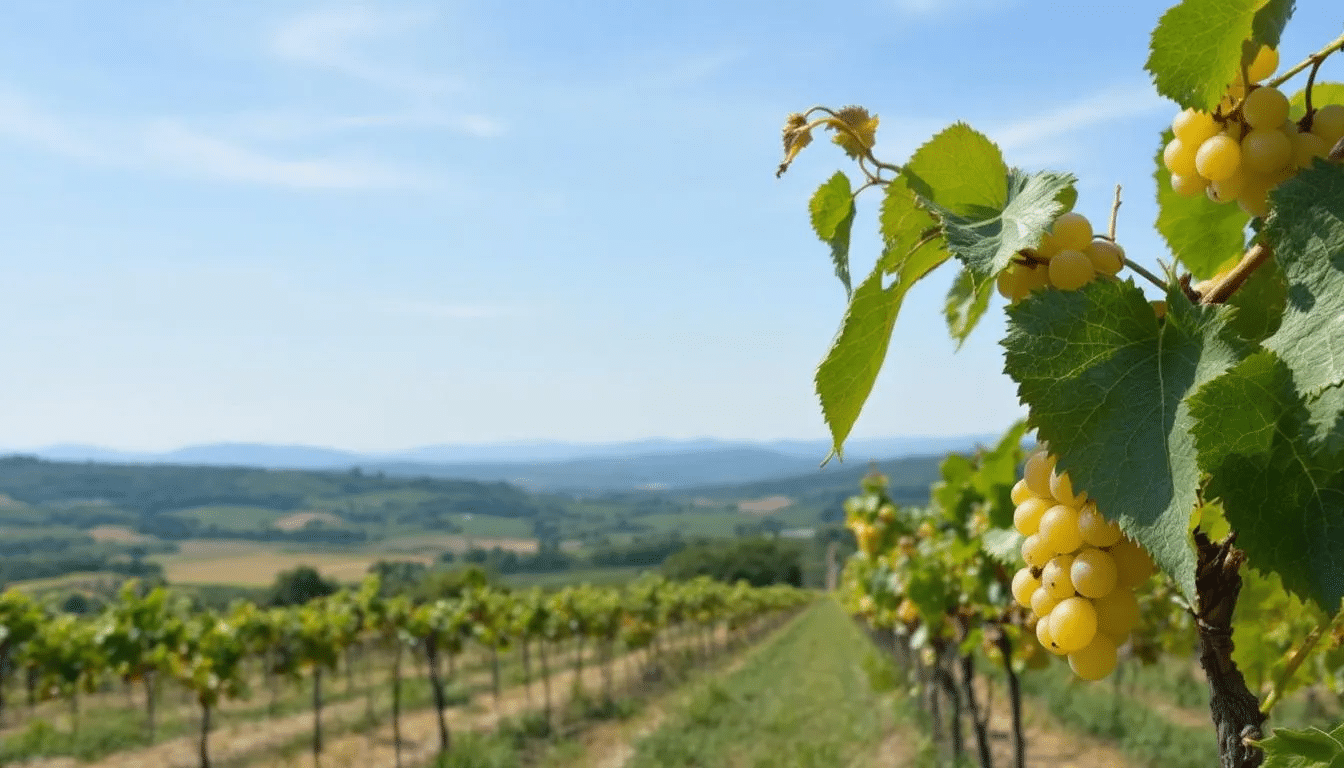
Ribolla Gialla is an ancient white grape variety with a long history spanning over seven centuries. The grape was first documented in a 1289 land contract, making it one of Italy’s oldest recorded wine grapes. The poet Giovanni Boccaccio mentioned Ribolla Gialla in the 14th century as one of the great epicurean indulgences, cementing its reputation among medieval wine lovers.
For decades, viticulturists believed the grape had Greek origins, possibly imported by ancient Mediterranean traders. However, DNA profiling conducted between 2007 and 2008 confirmed its genetic origins are in the Friuli Collio and Gorizia Hills areas, definitively proving it has no relation to the Greek variety Robola. The grape is truly indigenous to the border region between northeastern Italy and Slovenia.
Professor Attilio Scienza described Ribolla Gialla as the most oriental variety present in Friuli Venezia Giulia, suggesting it may have been introduced by Roman legions traveling from Pannonia through Friuli to Gaul. Regardless of its exact arrival, the grape has been deeply rooted in Friuli’s viticultural identity for over a millennium.
The grape enjoyed significant prestige during the medieval and Renaissance periods. In 1402 a law was enacted to prevent farmers from adulterating their Ribolla Gialla wines, demonstrating its economic importance and the prevalence of wine fraud at the time. The variety thrived until the phylloxera epidemic of the mid-1800s devastated most European vineyards, leading to a dramatic decline in plantings as growers replanted with more resistant international varieties.
What Makes Ribolla Gialla Unique
Ribolla Gialla has several distinctive characteristics that set it apart from other white wine grapes. The name itself tells part of the story: “Ribolla” derives from the Italian word ribollire, meaning “to boil” or “to bubble,” referring to the vigorous, effervescent fermentation caused by the massive amounts of malic acid that form naturally within the grape. “Gialla” means “yellow,” which describes the grape’s distinctive golden-yellow color at ripeness.
Physical Characteristics: The grape has medium-sized berries with thick, waxy skin that protects against disease and adverse weather conditions. This thick skin makes it particularly well-suited to cooler climates and allows for extended skin contact during winemaking, which has become increasingly popular among producers.
High Natural Acidity: The defining feature of Ribolla Gialla is its exceptionally high acidity, which gives wines made from this grape their characteristic freshness, vibrancy, and impressive aging potential. The crisp acidity also makes it versatile for various winemaking styles, from still wines to sparkling wines to the increasingly popular orange wines made with extended skin contact.
Terroir Expression: Ribolla Gialla is particularly sensitive to terroir, especially thriving in the marl and sandstone soils known locally as “ponca” in the Collio and Colli Orientali regions. These soils, combined with significant temperature variations between day and night, impart the wine’s characteristic mineral freshness and complexity.
Versatility: Unlike many white grapes that excel in only one style, Ribolla Gialla adapts remarkably well to different winemaking approaches—from fresh, unoaked whites to barrel-aged expressions, sparkling wines, sweet botrytis-affected wines, and the trendy skin-contact orange wines that have brought the grape renewed international attention.
Where It Grows In The World
Ribolla Gialla remains a regional specialty with concentrated plantings in its homeland along the Italy-Slovenia border. While it’s seeing renewed interest globally, it’s still predominantly a wine of northeastern Italy and western Slovenia.
Primary Growing Regions:
Italy – Friuli-Venezia Giulia: The grape’s heartland remains the hilly regions of northeastern Italy, particularly in three key DOC zones:
- Collio Goriziano (Collio): The most prestigious zone for Ribolla Gialla, where the grape thrives on the distinctive marl and sandstone soils known as ponca
- Colli Orientali del Friuli: Another historic stronghold, especially around Rosazzo, which has its own DOCG
 DOCG stands for Denominazione di Origine… More designation
- Isonzo: A flatter region producing slightly different styles

Italian plantings reached 1,159 hectares by 2010, with recent expansion driven by demand for sparkling wine production, and many of these new plantings have been on flatland in the Veneto at much higher yields, which concerns quality-focused producers.
Slovenia: Known as “Rebula” in Slovenian, the grape is equally important across the border:
- Brda (Goriška Brda): Rebula is planted on 371 hectares in Brda, accounting for 21% of the region’s vineyards, typically on the highest, driest hillside sites
- Vipava Valley: The valley has 225 hectares of Rebula, representing 10% of plantings, with strong historical ties to the grape
The two regions share the same distinctive Ponca/opoka soils and microclimate, with the Julian Alps protecting from the north and Mediterranean influences from the nearby Adriatic.
Other Regions: While primarily a border grape, Ribolla Gialla has spread modestly:
- Napa Valley, California: Napa Valley now has some Ribolla producers
- Small experimental plantings in Australia
- Reportedly, some presence on the Greek island of Kefalonia and in Croatia, though in very limited quantities
The grape remains particularly fussy about where it grows well, preferring well-drained hillside sites with mineral-rich soils and significant diurnal temperature variation. This selectivity has limited its spread compared to more adaptable international varieties.
How It Is Used
Ribolla Gialla’s versatility is one of its greatest assets, enabling winemakers to craft crisp, fresh whites as well as complex, age-worthy orange wines. The grape’s high acidity and thick skins make it particularly adaptable to different winemaking philosophies and techniques.
Traditional Still White Wines: The classic approach emphasizes the grape’s natural freshness and minerality. Grapes are hand-harvested and pressed at low pressure, often no more than 1.2 bar, to extract clear juice without excessive phenolic compounds. The juice undergoes cold fermentation in stainless steel tanks at temperatures between 16-20°C, preserving delicate aromas and preventing oxidation. Some producers allow brief skin contact of just a few hours to add subtle texture while maintaining the wine’s light-bodied profile with floral, citrus, and green apple characteristics.
Oak-Aged Whites: Some winemakers age Ribolla Gialla in large oak barrels to add structure and complexity without overpowering the fruit. This approach yields wines with more body and texture while maintaining the grape’s signature acidity and mineral character. With age, these wines can develop nutty flavors and a rich, golden color.
Sparkling Wines: Ribolla Gialla’s high natural acidity makes it excellent for sparkling wine production. In the late 1970s, producers like Manlio Collavini pioneered the use of Ribolla Gialla as a base for sparkling wines, developing what became known as the “Collavini Method”, which combines techniques from both the traditional method and the Charmat method to create brut Ribolla Gialla sparklers with balance and quality.
Orange Wine (Skin-Contact Style): This ancient technique has become Ribolla Gialla’s most distinctive and internationally recognized expression. The grape’s important feature is its thick skin, which makes it perfect for extended skin maceration that can last from eight to ten days to one, two, or even six months.
The orange wine style, while polarizing, has been instrumental in Ribolla Gialla’s renaissance, attracting international sommeliers and wine enthusiasts seeking authentic, artisanal expressions.
Sweet Wines: Some producers also make sweet wines from Ribolla Gialla affected by noble rot (botrytis), though this style is quite rare.
The diversity of styles reflects both the grape’s adaptability and the creativity of Friulian winemakers who have refused to let this ancient variety fade into obscurity.
Tasting Notes and Wine Specifications
Color:
- Still white wines: Pale straw yellow to light golden, often with greenish reflections in younger wines
- Aged whites: Deep golden to amber, developing richness with time
- Orange wines: Deep golden yellow to amber, sometimes approaching copper tones, reflecting extended skin contact
Aroma: Ribolla Gialla offers a distinctive aromatic profile that varies by winemaking style:
- Fresh whites: White flowers“Flowers in wine” refers to a wine fault… More (jasmine, acacia), green apple, pear, citrus (lemon, grapefruit), white peach, and subtle herbal notes (thyme, mint)
- Mineral character: Wet stone, chalk, and saline notes from the Ponca soils
- Aged whites: Developed notes of almond, hazelnut, dried fruit, and honey
- Orange wines: More intense aromatics, including dried apricot, spice, herbs, and sometimes a hint of tea or oxidative character

Flavor:
- Primary flavors: Citrus (lemon peel, bitter lemon, grapefruit), green apple, pear, white peach, apricot
- Secondary flavors: Almond, white pepper, herbs, and a pronounced mineral/saline edge
- Orange wine additions: Dried fruits, spice, tannic grip, and earthyEarthy wines are those that evoke aromas… More complexity

Structure:
- Body: Light to medium-bodied for fresh styles; medium to full-bodied for orange wines
- Acidity: Very high—this is Ribolla Gialla’s defining characteristic. The crisp, vibrantA vibrant wine is a tasting descriptor f… More acidity provides freshness, lift, and excellent food-pairing versatility
- Tannins
- Alcohol: Typically 12.5-13.5% ABVWhat Does A.B.V. Mean in Wine? What does… More
- Texture: Fresh and clean in young whites; more textured and grippy in skin-contact styles; creamy and rich in aged examples


Aging: Ribolla Gialla has surprising aging potential, particularly for a white wine:
- Young/Fresh style: Best consumed within 2-3 years to enjoy primary fruit and floral characteristics
- Quality still whites: Can age 5-10 years, developing nutty, honeyed complexity while maintaining vibrant acidity
- Orange wines: Can age 10-20+ years, with the best examples gaining remarkable depth and complexity
- With age, expect wines to develop deeper golden colors, richer textures, and evolved flavors of nuts, honey, dried fruit, and spice
Food Pairing: Ribolla Gialla’s high acidity and versatility make it an exceptional food wine:
Fresh white styles pair with:
- Fresh seafood (oysters, clams, grilled fish, sushi)
- Light pasta dishes with white sauces
- Fresh cheeses and light antipasti
- Asian cuisine (the acidity cuts through rich, spicy flavors)
- Salads with citrus vinaigrettes
- Prosciutto, capers, olives, and other salty foods (the saline minerality creates beautiful harmony)
Orange wine styles pair with:
- Grilled octopus or squid
- Roasted poultry or pork
- Lamb chops
- Aged hard cheeses (Parmigiano-Reggiano, aged Gouda)
- Hearty vegetable dishes
- Moroccan or Middle Eastern cuisine
- Charcuterie boards
The key to pairing is leveraging the wine’s acidity—it cuts through richness, complements salt, and refreshes the palate between bites.
Ribolla Gialla Today
Ribolla Gialla is experiencing a remarkable renaissance after nearly disappearing in the 20th century. Several factors have contributed to its current resurgence:
Growing Interest in Indigenous Grapes: The global wine market has shifted away from international varieties toward authentic, terroir-driven wines. Millennials and younger wine enthusiasts are particularly interested in exploring lesser-known grapes with unique stories and distinctive flavors. Sommeliers worldwide have championed Ribolla Gialla as an alternative to ubiquitous Sauvignon Blanc and Pinot Grigio.
The Orange Wine Movement: Ribolla Gialla has become synonymous with the orange wine trend, particularly wines from Oslavia. Producers like Gravner, Radikon, and others have elevated skin-contact wines from curiosity to cult status, bringing international attention to the grape and region.
Quality over Quantity: While some recent plantings in the Veneto focus on high-yield production for Prosecco alternatives, quality-focused producers in Collio, Colli Orientali, and Slovenian Brda continue to craft distinctive, terroir-expressive wines that command premium prices and critical acclaim.
Cross-Border Collaboration: Italian and Slovenian producers have joined forces through initiatives like “Brda Home of Rebula,” hosting tastings and conferences to raise awareness of the grape. This collaboration celebrates their shared viticultural heritage and promotes Ribolla Gialla/Rebula as a wine of place.
Current Plantings: From representing just 1% of Friuli’s vineyards in the late 1990s, Ribolla Gialla now accounts for approximately 11% of plantings in the Collio region, with total Italian plantings exceeding 1,150 hectares. In Slovenia, nearly 600 hectares are planted, primarily in Brda and the Vipava Valley.
Conclusion
What makes Ribolla Gialla special is not just its high acidity or thick skins, but its ability to express terroir with remarkable clarity. The distinctive Ponca soils of Collio and the dramatic hillside vineyards of the Italy-Slovenia border find their voice in wines that are simultaneously fresh and complex, traditional and innovative.
The grape’s versatility—from crisp, mineral-driven whites to sparkling wines to the profound, age-worthy orange wines of Oslavia—demonstrates that quality and authenticity never go out of style. In an era of homogenized international varieties, Ribolla Gialla offers something increasingly rare: a genuine sense of place, history, and identity.
Whether you’re sipping a fresh, floral white with oysters or contemplating a deeply complex orange wine aged in Georgian amphorae, Ribolla Gialla invites you to experience northeastern Italy’s viticultural heritage in a glass. For wine lovers seeking discovery, authenticity, and exceptional food-pairing potential, Ribolla Gialla deserves a place on your table.