
Ugni Blanc
Ugni Blanc is an ancient white grape variety with Italian roots, where it’s known as Trebbiano Toscano. The grape likely…

definition
Ugni Blanc is an ancient white grape variety with Italian roots, where it’s known as Trebbiano Toscano. The grape likely originated in central Italy, possibly in the Emilia-Romagna or Tuscany regions, with references dating back to Roman times. Its name, “Trebbiano,” may derive from the Latin “Trebulanum,” referring to an area near ancient Rome.
The variety made its way to France centuries ago, where it became known as Ugni Blanc (called Saint-Émilion in some regions, though it is unrelated to the Bordeaux Bordeaux is one of France’s most famous … More appellation). It found its most important home in southwestern France, particularly in the Cognac and Armagnac regions, where it became the backbone of French brandy production.
What Makes Ugni Blanc Unique
Ugni Blanc stands out for several distinctive characteristics that have made it one of the world’s most widely planted white grape varieties:
High Natural Acidity: The grape produces wines with notably high acidity and low alcohol content, making it ideal for distillation into premium spirits.
Disease Resistance: The variety shows relatively strong disease resistance, which was crucial after the phylloxera epidemic devastated European vineyards in the 19th century. This resilience led to Ugni Blanc replacing Folle Blanche as the dominant grape in Cognac production.
Late Ripening: Its late budding and flowering provide protection against spring frosts, an important advantage in cooler growing regions.
High Productivity: The grape is exceptionally vigorous and produces high yields, making it economically attractive to growers while maintaining quality for distillation.
Neutral Flavor Profile: Unlike aromatic varieties, Ugni Blanc produces relatively neutral-tasting wines. This neutrality is essential for Cognac and Armagnac, as highly aromatic wines would create overly powerful and unbalanced spirits after aging.
Perfect for Distillation: The grape’s combination of low sugar (resulting in low alcohol base wines), high acidity (acting as a natural preservative), and neutral flavor profile makes it ideally suited for producing fine brandies.
Where Ugni Blanc Grows In The World
Ugni Blanc/Trebbiano is one of the world’s most widely planted white grape varieties, with a truly global presence:
France – The dominant location: Around 80,000-90,000 hectares, more than double Italy’s plantings. The vast majority is concentrated in:
- Cognac region (Charente/Charente-Maritime): Nearly 98% of the 75,000+ hectares devoted to Cognac production.
- Armagnac (Gers): Approximately 50% of the region’s vineyards.
- Southern France: Provence, Languedoc-Roussillon, Corsica
 Corsican viticultural history dates back… More for table wines.
- Southwestern France: Côtes de Gascogne for white wines.
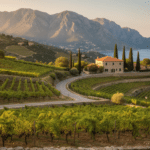
Italy – The homeland: Approximately 50,000 hectares, where it’s called Trebbiano Toscano. Major growing areas include:
- Tuscany, Abruzzo, Umbria, Emilia-Romagna
- Used in numerous DOC wines, including Soave, Lugana, and regional blends
Bulgaria: Around 20,000 hectares, primarily for bulk wine production.
Other Regions:
- Portugal: Known as Talia, cultivated in the Douro and other regions
- Australia: Called White Hermitage in some areas
- South Africa and California: Smaller plantings
- Argentina: 1,500-2,000 hectares, mainly in Mendoza
- Greece, Croatia, Uruguay: Limited cultivation
The grape adapts well to warm, sunny climates and calcareous soils, though it requires heat to ripen properly and struggles with harsh winters.
How Winemakers Use Ugni Blanc
Winemakers employ Ugni Blanc in two distinct ways:
Spirit Production (Cognac & Armagnac)
Fermentation: The grapes are fermented using selected yeasts for 5-7 days, producing wines with 8.5-9% alcohol content. No sulfur dioxide is added, as it would concentrate during distillation into unwanted aromas, making Ugni Blanc’s high natural acidity essential for preserving the wine before distillation.
Temperature Control: Modern fermentation tanks are water-cooled to maintain temperatures between 15-30°C. The temperature profile during fermentation significantly impacts aromatic development for the final distillate.
Distillation: The wine is distilled twice in traditional copper pot stills using methods unchanged for centuries. The double distillation creates eau-de-vie that is then aged in oak barrels for a minimum of two years (often much longer).
Timing: Distillation has to be completed by March 31st in Cognac, originally to prevent secondary fermentation in the spring warmth (though modern refrigeration makes this less critical).
Table Wines
Blending: In Mediterranean regions, Ugni Blanc serves as a structural backbone in white wine blends, providing high acidity and freshness to balance more aromatic varieties. It’s rarely used as a single-varietal wine.
Fermentation: For still wines, fermentation typically occurs in stainless steel tanks at cool temperatures to preserve freshness and acidity. Some producers use oak aging to add complexity and texture.
Harvest Timing: The grape is typically harvested in early October to achieve maximum aromatic potential while maintaining its characteristic high acidity.
Regional Styles: In warmer southern regions like Provence, Ugni Blanc can develop more smoothness and complexity, with notes of pine resin, quince, and lemon.
Tasting Notes and Wine Specifications
Color:
Wine: Pale yellow to light golden, sometimes with greenish reflections
Spirit: After aging, it develops a rich amber to deep mahogany color.
Aroma:
Wine: Primarily fruity with citrus notes like lemon and quince, often with a hint of balsamic pine resin, especially in Mediterranean coastal wines.
Spirit (aged): Delicate floral notes, dried fruits, vanilla, spice, and oak-derived aromas.
Flavor:
Wine: Crisp, fresh, and lively with pronounced acidity; relatively neutral palate with subtle citrus and green apple notes; light to medium body
Spirit: Complex layers of fruit, spice, and oak; velvety texture with harmonious balance
Structure:
- Acidity: High (7-9 g/L) – defining characteristic
- Alcohol (wine): Low (8-9% for distillation wines, 10-12% for table wines)
- Body: Light to medium
- Tannins: Minimal (white grape)
Table Wines: Best consumed young (within 1-2 years) to preserve freshness, though some premium Italian Trebbiano can age 8-10 years
Spirits: Minimum 2 years in oak (Cognac VS), with premium expressions aged decades
Food Pairing:
Ugni Blanc Wines:
- Fresh seafood: oysters, mussels, clams, grilled white fish
- Light pasta dishes: fettuccine alfredo, spaghetti with lemon and herbs
- Soft cheeses: fresh goat cheese, mozzarella
- Salads with citrus vinaigrettes
- Bruschetta and light appetizers
- Excellent as an aperitif
- Digestif after meals
- Dark chocolate and dried fruits
- Aged cheeses
- Cigars (traditional pairing)
Spirit Production Dominance: The grape continues to be indispensable for Cognac and Armagnac, representing 98% of Cognac production and maintaining France’s reputation for world-class brandies.
Declining Table Wine Plantings: While still covering approximately 80,000 hectares in France, plantings have been decreasing as consumer preferences shift toward more aromatic and distinctive wine varieties.
Climate Change Challenges: Warming temperatures are producing grapes with lower acidity and higher sugar content, challenging traditional Cognac production methods. The industry is adapting through vineyard management and exploring the extensive clone conservatory of over 400 distinct Ugni Blanc variations.
Conservation Efforts: A major conservatory near Angoulême preserves 400+ clones from old vines (some over 100 years old) to ensure genetic diversity for future adaptation.
Versatility in Spirits: Beyond traditional brandies, Ugni Blanc has found use in innovative products like grape-based vodka (Cîroc), demonstrating its continued relevance in modern spirits production.
Should You Try It?
Yes, if you enjoy:
- Crisp, refreshing white wines without overpowering flavors
- Fine Cognac and Armagnac
- French and Italian white wine blends
- Light, food-friendly wines for seafood and summer meals
- Highly aromatic wines (try Sauvignon Blanc, Riesling, or Gewürztraminer instead)
- Full-bodied, oaky whites (try Chardonnay)
- Distinctive varietal character (Ugni Blanc is intentionally neutral)
Best way to experience it: Try it in three contexts: a young Côtes de Gascogne white wine, a quality VS Cognac, and a well-aged XO Cognac to appreciate how this humble grape transforms through distillation and aging.
Conclusion
Ugni Blanc is the ultimate “unsung hero” of the wine world—a grape that excels not through flamboyance but through reliability, versatility, and perfect suitability for its intended purpose. While it may never achieve the fame of Chardonnay or Sauvignon Blanc in the table wine category, its dominance in Cognac and Armagnac production makes it one of the most economically and culturally significant grape varieties worldwide.
Its journey from ancient Roman vineyards through medieval France to becoming the backbone of the world’s finest brandies tells a story of adaptation and resilience. The phylloxera crisis that could have destroyed it instead cemented its position, as winemakers discovered that its disease resistance, high acidity, and neutral profile made it ideal for distillation.
Today, as climate change presents new challenges, the extensive conservation efforts and clone research ensure that Ugni Blanc will continue evolving to meet future needs. Whether you’re sipping a fresh white wine on a Mediterranean terrace or savoring a complex aged Cognac by the fireplace, you’re experiencing the remarkable versatility of this understated yet indispensable grape.
Next time you raise a glass of Cognac, take a moment to appreciate the journey of those humble, high-acid, low-alcohol Ugni Blanc grapes—transformed through human craft and patience into liquid gold.