
Buttery
“Buttery” is one of the most distinctive and sought-after characteristics in white wine. It creates a richRich wine refers to…
definition
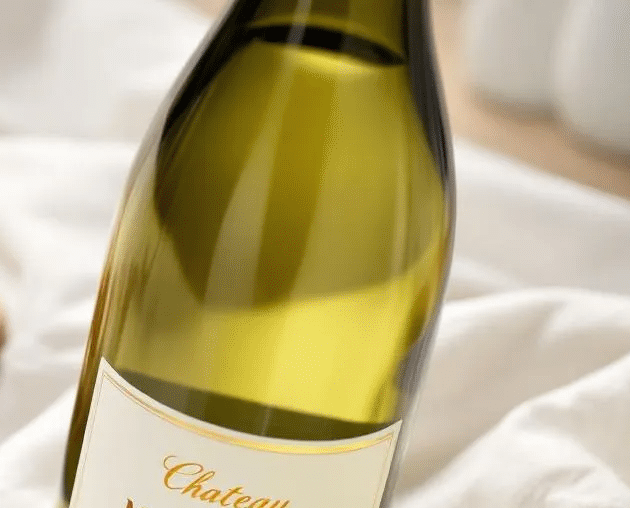
“Buttery” is one of the most distinctive and sought-after characteristics in white wine. It creates a rich, creamy sensation on the palate that wine lovers either adore or avoid. This luxurious quality can transform a glass of wine into something that borders on being decadent.
Buttery Wines
Chardonnay is the undisputed champion of buttery wines. This versatile white grape, particularly when grown in warmer climates like California, Sonoma, and parts of Australia, develops pronounced buttery characteristics, thanks in large part to the grapes that can easily adapt to different winemaking styles and regions. Chardonnay from regions like Napa Valley and Russian River Valley is especially known for its rich, buttery profiles, with winemakers playing a crucial role in bringing out these qualities.
Other varietals that can exhibit buttery notes include:
- Viognier
 Viognier (pronounced vee-own-YAY) is an … More – can show creamy, buttery textures
- White Burgundy (Chardonnay from Burgundy, France) – though typically more subtle than New World versions
- Some Sémillon – particularly barrel-aged versions

The Role of Malolactic Fermentation
The buttery quality in wine comes from a specific winemaking process called malolactic fermentation (often shortened to “malo” or “MLF”). Primary fermentation is the initial stage where the yeast converts grape sugars into alcohol, establishing the wine’s alcohol content or alcohol by volume (ABV), and malolactic fermentation follows.
During this secondary fermentation, bacteria convert sharp malic acid (think green apple) into softer lactic acid (think milk). This process produces a compound called diacetyl, which is the same compound that gives butter its aroma and flavor. The term refers to a specific taste, aroma, and texture in wine.
Additional winemaking techniques that enhance butteriness:
- Oak barrel aging in wood imparts vanilla, toast, and creamy notes, adding complexity to the wine.
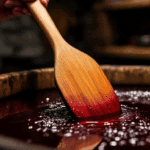
- Lees stirring (bâtonnageBâtonnage originated several centuries a… More) keeps the wine in contact with dead yeast cells, creating a richer, creamier texture.
- Extended oak contact – amplifies the smooth, round mouthfeel
- Various factors, such as climate, soil, and fermentation choices, also influence the development of buttery flavors and contribute to the diversity of buttery wine styles.
Characteristics
There are several recognizable traits:
Aromatic profile: The nose reveals rich scents of melted butter, butterscotch, caramel, toasted brioche, vanilla, and sometimes popcorn or roasted nuts. The smell of the wine can evoke memories of foods like movie theater popcorn, margarine, and crème brûlée.
Texture: Creamy, smooth, and full-bodied with an almost viscous mouthfeel that coats the mouth and palate. The wine feels luxurious and weighty on the tongue.
Flavor: Beyond the obvious butter notes, expect tropical fruits (pineapple, mango), baked apple, hazelnut, sweet oak spices, and hints of crackers and crème brûlée. The combination of aroma, flavor, and texture creates the wine’s unique appeal. The acidity is softer and rounder compared to unoaked or non-malolactic wines.
Color Wine color refers to the visual appearan… More: Often deeper golden yellow rather than pale straw, indicating oak aging and riper fruit.
The complexity comes from the interplay of fermentation techniques, aging, and chemical reactions, all contributing to their depth and multifaceted character.
Is It Good to Pair with Food?
Buttery white wines are excellent food pairing partners, particularly for rich, creamy dishes. Not just Chardonnay, but other white wine varieties with a buttery profile also pair well. The wine’s full body and smooth texture complement rather than clash with fatty, flavorful foods.
Ideal pairings:
- Lobster with drawn butter, crab cakes, or buttery scallops
- Creamy pasta dishes like fettuccine Alfredo or carbonara
- Roasted chicken, turkey, or pork with rich sauces
- Soft, creamy cheeses like Brie, Camembert, or triple-cream varieties
- Corn-based dishes, risotto, or dishes with cream sauces
What to avoid: The richness can overwhelm delicate fish, and the lower acidity may not cut through extremely fatty foods as effectively as crisper wines. Very spicy dishes might also clash with the buttery richness. Unlike red wines, which have higher tannins that can stand up to bold, heavily spiced or grilled meats, buttery white wines have lower tannins, making them less suitable for such pairings.
Conclusion
Buttery wines offer a distinctive wine experience and are available at various price points. The rich, creamy character created through malolactic fermentation and oak aging produces wines that are perfect for those who enjoy luxurious, fuller-bodied white wines. While wine trends have shifted somewhat toward crisper, unoaked styles in recent years, buttery Chardonnay remains a classic expression that pairs beautifully with rich foods and continues to have devoted fans worldwide.
Whether you’re drawn to that creamy, butterscotch-laden glass or prefer something leaner, understanding what creates that buttery character helps you choose wines that match your taste preferences perfectly. These wines can be found at different price points, making them accessible to a wide range of wine lovers, from casual drinkers to collectors seeking investment-worthy bottles.