
Alsace
Alsace is located in northeastern France, bordering Germany to the east and Switzerland to the south. This wine region sits…
definition
Alsace is located in northeastern France, bordering Germany to the east and Switzerland to the south. This wine region sits in the Rhine Valley between the Vosges Mountains to the west and the Rhine River to the east. The region consists of two departments: Bas-Rhin in the north (centered around Strasbourg) and Haut-Rhin in the south (centered around Colmar). An Alsace wine map is an essential resource for understanding the region’s layout, vineyards, Grand Cru sites, and key locations. Such a map serves as a valuable guide for visitors and wine enthusiasts exploring the Alsace wine region.
• The region stretches along the eastern slopes of the Vosges Mountains and reaches toward the Rhine River banks.
• The area is home to breathtaking landscapes that have been making wine for centuries!
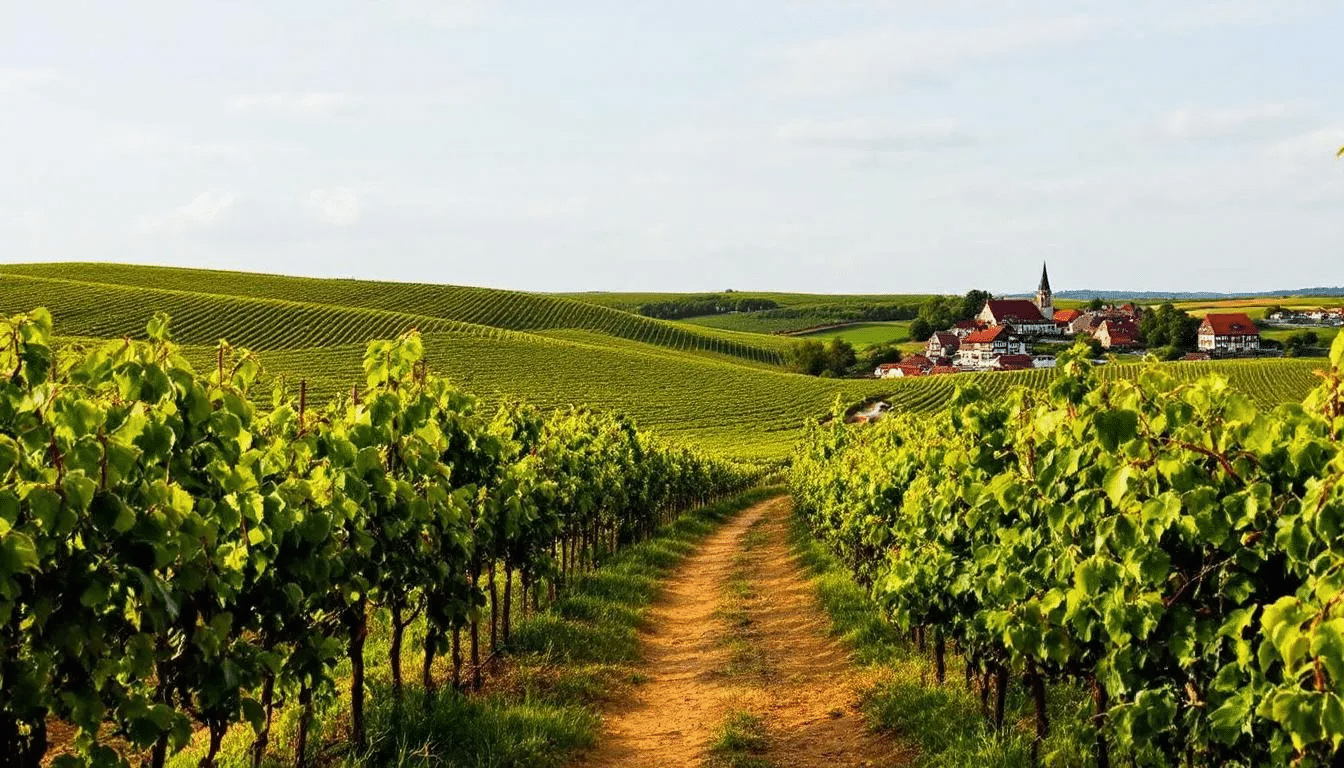
• Most of the vineyards are found along the famous Alsace Wine Route, which winds through charming villages and a patchwork of vineyards.
• The region showcases a true taste of both French and Germanic heritage (quite a unique blend!).
• The area has stunning natural beauty that makes any wine lover want to visit again and again.
The Wines of Alsace
Alsace is celebrated for producing exceptional wines under the Alsace AOC and the prestigious Alsace Grand Cru AOC labels, which demonstrates the region’s commitment to quality and terroir!
• White wines dominate the production with stars like Riesling, Gewürztraminer, and Muscat leading the way.
• The region also makes elegant red wines from Pinot Noir grapes.
• Lively sparkling wines are produced under the Crémant d’Alsace AOC (these bubbles are fantastic!).
• The unique blend of history, culture, and natural beauty makes Alsace a must-visit destination.
• Anyone eager to discover the distinctive character of Alsace wine will find themselves completely captivated by this amazing region!
How Many Appellations Are There in Alsace
Alsace has 4 main appellations:
AOC Alsace (1962) – The main regional appellation covering varietal wines and blends across the entire region. These are all forms of appellation d’origine contrôlée (AOC), which regulate grape varieties, vineyard practices, and labeling standards to ensure quality and authenticity. Wines labeled under this appellation must display the grape variety or blend on the label, under AOC rules.
AOC Alsace Grand Cru (1975, expanded through 1992) – Encompasses 51 individual Grand Cru vineyards, each with specific boundaries and permitted grape varieties. These sites were classified gradually, with the last additions made in 1992. Wines labeled as Grand Cru must indicate the specific vineyard name on the label.
AOC Crémant d’Alsace (1976) – For traditional method sparkling wines, primarily made from Pinot Blanc, Auxerrois, Chardonnay, Riesling, and Pinot Noir. Crémant d’Alsace AOC was officially established on August 24, 1976, and wines labeled as such must adhere to strict production methods and grape variety regulations.
AOC Alsace Vendanges Tardives and Sélection de Grains Nobles (1984) – Special designations for late-harvest and botrytis-affected wines, technically part of the AOC Alsace system but with strict production requirements.
What Makes Alsace Unique
Alsace stands apart from other French wine regions in several distinctive ways:
Varietal Labeling: Unlike most French regions that emphasize place names, Alsace wines are primarily labeled by grape variety, making them more accessible to international consumers.
Germanic Influence: The region’s history of alternating between French and German rule has created a unique cultural blend reflected in architecture, cuisine, and winemaking traditions.
Bottle Shape: Alsace uses distinctive tall, slender bottles called “flûtes d’Alsace,” which are legally protected and required for AOC wines.
Dry Style Tradition: While many regions produce both dry and sweet wines, Alsace has traditionally focused on dry expressions of aromatic varieties. Winemakers often use techniques that emphasize ripeness and alcohol to enhance flavor, rather than using oak aging.
Single-Variety Focus: Most Alsace wines are made from a single grape variety, allowing the pure expression of each varietal’s characteristics.
Experiencing Alsace wines can change your perception of French wine, as the region’s distinctive approach offers a refreshing and transformative take compared to other French wine regions.
Different Styles and Wine Colors in Alsace
White Wines (95% of production):
- Dry whites: The traditional and most common style
- Off-dry/Medium-dry: Some producers make wines with residual sugar
 Residual sugar (often abbreviated as RS)… More for balance
- Sweet wines: Vendanges Tardives (late harvestLate harvest wines represent one of the … More) and Sélection de Grains Nobles (botrytis-affected)
- Sparkling: Crémant d’Alsace in white and rosé styles. Crémant d’Alsace is one of the most celebrated Alsatian wines, produced using the traditional method and a selection of permitted grape varieties.
- Red Wines: Alsace produces some distinctive red wines, but only in very small quantities, as the region is far more famous for its whites. Here are the key characteristics and types:
- Light to medium-bodied with bright acidity
- Elegant and refinedRefined is a term that refers to wine th… More rather than powerful or tannic
- Fresh red fruit flavors (cherry, raspberry, strawberry)
- Often have a mineral backbone reflecting the region’s diverse soils
- Generally less oaky than New World Pinot Noirs
- Flavor Notes:
- Red berries and cherries dominate
- Subtle earthyEarthy wines are those that evoke aromas… More undertones
- Sometimes hints of spice or herbs
- Clean, crispCrisp wines come from several key grape … More finishFinish refers to the practice of aging s… More
- Many producers use traditional methods with minimal oak
- Some premium bottlings may see light oak aging
- Focus on expressing terroir and grape character
- Generally made for earlier consumption than Burgundian Pinot Noir
- Basic Alsace Pinot Noir for everyday drinking
- Village-level wines with more complexity
- Grand Cru designated sites (though rare for reds)
- Premium cuvées from top producers




How Many Hectares Of Vineyards Are There in Alsace
Alsace has approximately 15,600 hectares (38,500 acres) of vineyards under cultivation. The vineyard area runs roughly 170 kilometers north to south along the eastern foothills of the Vosges Mountains, with plantings concentrated in a narrow band between 200-450 meters in elevation.
Alsatian vineyards are classified according to specific appellations, such as Alsace AOC, and are renowned for producing high-quality varietal wines from unique vineyard sites.
Signature Wines
Alsace’s signature wines showcase the region’s noble grape varieties:
Riesling – Considered the king of Alsace wines, producing bone-dry, mineral-driven wines with exceptional aging potential.
Gewurztraminer – The most distinctive Alsace wine, offering intense aromatics of lychee, rose petals, and exotic spices.
Pinot Gris – Rich, full-bodied wines with honeyed textures and complex flavors.
Muscat d’Alsace – Uniquely dry interpretation of Muscat, fresh and floral rather than sweet.
Grand Cru wines from renowned sites like Schlossberg, Brand, and Hengst represent the pinnacle of Alsace winemaking.
To truly savor the aromas and flavors of these signature Alsace wines, enjoy them in a proper glass to enhance your tasting experience.
Grape Varietals
Noble Varieties (allowed in Grand Cru):
- Riesling – The most planted noble variety, known for precision and minerality
- Gewurztraminer – Highly aromatic with pink-skinned grapes
- Pinot Gris – Rich and full-bodied, formerly called Tokay d’Alsace
- Muscat – Both Muscat BlancMuscat Blanc, also known as Muscat Blanc… More à Petits Grains and Muscat Ottonel

Other Authorized Varieties:
- Pinot Blanc – Fresh, approachable wines, often blended with Auxerrois
- Auxerrois – Similar to Pinot Blanc but slightly richer
- Sylvaner – Light, crisp wines, less common today
- ChasselasWhat Kind of Wine Is Chasselas? Chassela… More – Mostly used for blends
- Pinot Noir – The only red variety permitted

Terroir and Climate
Climate: Alsace enjoys one of France’s driest climates due to the rain shadow effect of the Vosges Mountains. The continental climate features warm summers, cold winters, and minimal rainfall during the growing season.
Soils: Incredibly diverse geology, including:
- Granite – In the northern Vosges foothills, producing mineral wines
- Limestone and marl – Throughout the region, offering good drainage
- Sandstone – Particularly in the Haut-Rhin
- Schist and gneiss – In scattered locations
- Volcanic soils – Around certain Grand Cru sites
- Alluvial deposits – In the Rhine plain
Topography: Vineyards are planted on southeast-facing slopes of the Vosges foothills, providing optimal sun exposure and protection from prevailing westerly winds. The elevation range of 200-450 meters creates diverse microclimates.
Many vineyard sites are conveniently accessible via the TER regional express train, making it easy for visitors to explore the diverse terroirs of Alsace.
Scenic Wine Route
The Alsace Wine Route (also called the Alsatian Wine Route) is one of France’s most amazing trips for people who love wine! This scenic route goes for 170 kilometers and winds through lots of pretty villages and famous wine towns that are full of old-time charm. When you drive along this route, you get great views of the Vosges Mountains on one side and the peaceful Rhine River on the other side, making a perfect backdrop for all the vineyards in the area.
Going along the Alsace Wine Route means you’ll find tons of vineyards and family wineries where you can taste many different Alsace wines and learn how they make wine in this special region. The route has lots of friendly wine cellars and old estates (some dating back hundreds of years!) that welcome visitors to try the real flavors and smells that make Alsace wine so special. There’s even a saying that you need a strong stomach for all the wine tasting along this route! Whether you know a lot about wine or you’re just curious to learn, the Alsatian Wine Route gives you an amazing way to enjoy the beauty and history of this incredible region.
Tourism and Activities
Alsace Wine Region
The Alsace wine region is one of France’s most exciting places to visit, offering tons of fun activities for people who want to see beautiful landscapes and learn about old traditions! Along the famous Alsace Wine Route (which stretches for over 170 kilometers!), you can enjoy guided wine tastings, walk through sunny vineyards, and visit historic wineries where families have been making wine for hundreds of years. The region’s pretty villages, with their half-timbered houses and stone streets, are perfect for easy walks and learning about the local culture.
People who love being outdoors will find lots to do, from hiking and biking through rolling vineyard hills to checking out medieval castles that sit high above the valley (some of these castles are over 1,000 years old!). All year long, Alsace has fun festivals and events, including wine and harvest celebrations that show off the special smells and tastes of local wines.
Meeting the passionate winemakers and learning about how wine is made makes every visit feel personal and special. There’s a saying that once you visit Alsace, you’ll always want to come back – and with its mix of history, natural beauty, and amazing wines, it’s easy to see why this destination keeps calling people to discover, taste, and return again and again!
Conclusion
Alsace represents one of France’s most distinctive wine regions, where Germanic traditions meet French winemaking expertise. Its unique combination of continental climate, diverse soils, and varietal focus produces wines of exceptional clarity and character.
From the elegant minerality of Riesling to the exotic aromatics of Gewurztraminer, Alsace offers wine lovers a fascinating journey through terroir-driven expressions of noble grape varieties. The region’s commitment to quality, evidenced by its Grand Cru system and traditional winemaking methods, ensures that Alsace wines will continue to captivate enthusiasts seeking distinctive, food-friendly wines that perfectly express their place of origin.