
Montepulciano
Montepulciano is one of Italy’s most beloved and widely planted red grape varieties, producing wines that range from easy-drinking everyday…
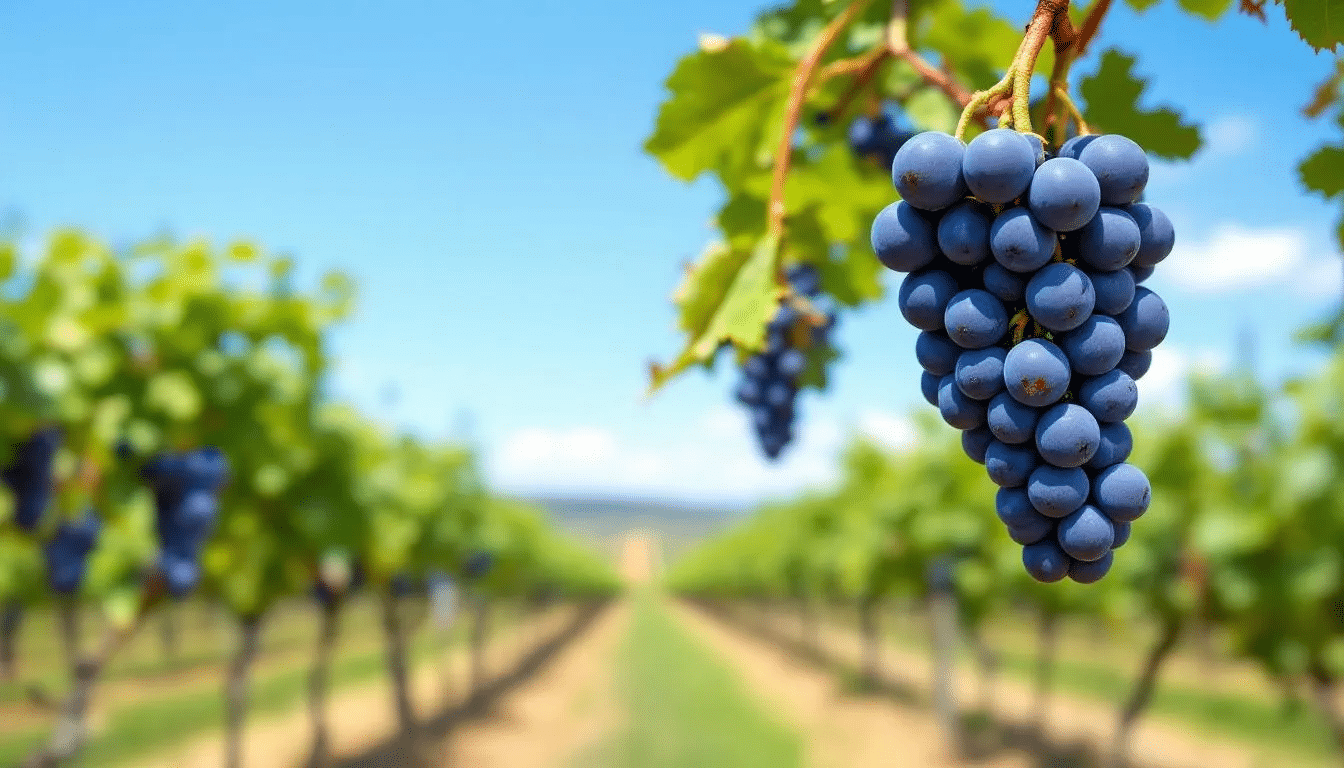
definition
Montepulciano is one of Italy’s most beloved and widely planted red grape varieties, producing wines that range from easy-drinking everyday bottles to age-worthy masterpieces. This versatile grape has captured the hearts of wine lovers worldwide with its approachable character, food-friendly nature, and exceptional value.
There is often confusion between Montepulciano wine and Vino Nobile di Montepulciano which is made from Sangiovese grapes and produced in the town of Montepulciano, but it is important to note that the montepulciano grape is a distinct grape variety used in various Italian wines, especially in regions like Abruzzo, and is not the same as the wines produced in the town of Montepulciano.
Origins of Montepulciano
Montepulciano’s origins trace back to central Italy, where it has been cultivated for centuries. The grape’s name derives from the Latin “Mons Politianus,” meaning “mountain of Politian,” though its exact birthplace remains debated among wine historians. What we know for certain is that it has been deeply rooted in Italian viticulture since at least the 18th century.
Historical records suggest that Montepulciano was already well-established in the Marche and Abruzzo regions by the 1700s, where it found ideal growing conditions in the foothills of the Apennine Mountains. The grape’s ability to thrive in various microclimates and soil types contributed to its spread throughout central and southern Italy.
What Makes Montepulciano Wine Unique
Montepulciano has several remarkable characteristics that set it apart from other Italian varietals. It is exceptionally versatile and can produce everything from light, fruity wines meant for immediate consumption to structured, complex wines capable of aging for decades.
The grape’s thick skin provides natural protection against weather extremes and contributes to the wine’s deep color and substantial tannin structure. The vines are notably hardy and resistant to many common vineyard diseases, making them relatively easy to cultivate. This resilience, combined with generous yields, has made it a favorite among Italian growers.
What truly makes Montepulciano special is its ability to express terroir while maintaining its fundamental character, and it is interesting how it reflects the nuances of different regions, offering wine lovers a captivating exploration of Italian terroir. Whether grown in the clay-limestone soils of Abruzzo or the sandy soils of Puglia, Montepulciano consistently delivers wines with good acidity, moderate tannins, and an inherent food-friendly quality that makes it perfect for pairing with Italy’s diverse cuisine.
Where Montepulciano Grows in the World
While Montepulciano remains predominantly an Italian grape, its cultivation has expanded to several other wine regions around the world, each bringing unique expressions to this versatile variety.
Italy remains its undisputed home with the largest plantings concentrated in:
- Abruzzo: The spiritual home of Montepulciano d’Abruzzo, Italy’s most famous expression of this grape
- Marche: Where it’s often blended with Sangiovese
- Molise: Producing increasingly recognized single-varietal wines
- Puglia: Creating robust, full-bodied expressions in the warm southern climate
- Lazio: Contributing to several regional blends
Australia has successfully embraced Montepulciano, especially in South Australia’s Riverland and McLaren Vale regions. Australian winemakers have experimented with both traditional Italian styles and New World approaches, creating distinctive expressions that showcase the grape’s adaptability.
United States cultivation is growing, particularly in:
- California’s Central Valley and parts of Paso Robles
- Virginia, where the grape shows promise in the state’s diverse microclimates
- Texas, in the Hill Country region
Argentina has shown increasing interest in Montepulciano, with plantings in Mendoza and San Juan provinces producing wines that benefit from high altitude and intense sunlight.
Other countries experimenting with Montepulciano include Croatia, where it grows along the Adriatic coast, and parts of Eastern Europe where Italian varietals are gaining popularity.
How Winemakers Use Montepulciano
Montepulciano’s versatility gives winemakers numerous options for crafting diverse wine styles, from simple, quaffable reds to complex, age-worthy bottles that showcase the grape’s full potential.
Traditional Methods in Italy typically involve:
- Extended skin contact to extract color and tannins
- Fermentation in stainless steel
 Stainless steel wine tanks and equipment… More or concrete tanks
- Aging in large, neutral oak barrels called “botti,” where the wines are allowed to rest for months or even years to develop their flavors and complexity
- Minimal intervention approaches that preserve the grape’s natural character

Modern Techniques have expanded the possibilities:
- Temperature-controlled fermentation for better fruit preservation
- Use of French oak barriques for added complexity
- Cold soaking and extended maceration for enhanced extraction
- Micro-oxygenation to soften tannins
Blending Practices vary by region:
- In Abruzzo, Montepulciano d’Abruzzo must contain at least 85% Montepulciano
- Marche winemakers often blend with Sangiovese for added structure
- International producers experiment with Cabernet Sauvignon


Production Styles range widely:
- Novello: Fresh, light style similar to BeaujolaisBeaujolais is a wine region located in e… More Nouveau
- Riserva: Extended aging for more complex, structured wines
- Cerasuolo: Distinctive rosé style that’s particularly popular in Abruzzo
- Premium Single-Vineyard: Showcase expressions from specific terroirs

Winemakers particularly appreciate Montepulciano’s forgiving nature during vinification. The grape rarely produces unbalanced wines and responds well to various winemaking techniques, making it an excellent choice for both experienced vintners and those still learning their craft.
Nobile di Montepulciano Wine
Nobile di Montepulciano
Nobile di Montepulciano wine is one of Tuscany’s most famous red wines, known for its elegance and depth. Made only in the beautiful hills around the town of Montepulciano, this DOCG wine comes mainly from the Sangiovese grape (which locals call Prugnolo Gentile). The special terroir of Tuscany—with its sun-soaked slopes and mineral-rich soils—gives these wines a unique character that sets them apart from other Italian reds. There’s something magical about how this landscape shapes every bottle!
Nobile di Montepulciano shows off a complex mix of dark fruit, leather, and dried herbs, with subtle earthy notes that really tell you where it comes from. On the palate, it is full-bodied and strong, with firm tannins and bright acidity that make it a perfect match for hearty Tuscan food! Classic pairings include pappardelle with wild boar sauce, aged cheeses, and rustic meats.
Strictly controlled by the Denominazione di Origine Controllata e Garantita (DOCG), every single bottle of Nobile di Montepulciano must meet tough standards, making sure each one is authentic and high quality. This commitment to doing things right has earned Nobile di Montepulciano a spot among Italy’s finest wines, loved by wine experts and casual wine drinkers alike! Whether you enjoy it young for its lively fruit or aged for more complexity, Nobile di Montepulciano is a true expression of Tuscan winemaking tradition that never disappoints.
Tasting Notes and Wine Specifications
Color:
Montepulciano wines typically display a deep, intense ruby red color with purple highlights in their youth. As they age, the color evolves to a more mature garnet or brick red. The wine’s thick-skinned grapes contribute to this impressive color intensity, often appearing almost opaque in the glass. Young wines may show violet edges, while older vintages develop amber or tawny rims that signal maturity.
Aroma:
The aromatics are both complex and inviting. Primary aromas include fresh red berries like cherry and raspberry, often accompanied by darker fruits such as blackberry and plum. Floral notes of violet and rose petals frequently appear, especially in wines from higher-altitude vineyards.
Secondary aromas develop through winemaking and include hints of vanilla, spice, and toast when oak is used. Mediterranean herbs like rosemary, thyme, and oregano often emerge, reflecting the grape’s Italian heritage. Tertiary aromas in aged wines reveal leather, tobacco, dried fruits, and earthy undertones that speak to the wine’s terroir.
Flavor:
On the palate, Montepulciano delivers a harmonious balance of freshness, fruit, tannins, and a natural acidity that makes it food-friendly. The flavor profile typically features:
- Primary flavors: Ripe cherry, plum, blackberry, and sometimes strawberry
- Secondary flavors: Vanilla, cinnamon, black pepper, and herbal notes
- Tertiary flavors: In aged wines, coffee, chocolate, leather, and earthy minerals
Structure:
Montepulciano wines are generally medium to full-bodied with moderate tannins and good acidity. The alcohol content typically ranges from 12.5% to 14.5%, though warmer climates may produce higher alcohol levels. The tannin structure is usually well-integrated, providing backbone without harshness, making these wines approachable even when young.
The acidity level varies by region and vintage but generally falls in the medium to medium-high range, contributing to the wine’s aging potential and food-pairing versatility.
Aging:
Montepulciano demonstrates excellent aging potential, with different styles requiring different approaches:
- Young drinking styles: Best consumed within 2-3 years to preserve fresh fruit character
- Standard releases: Can age gracefully for 5-8 years, developing complexity
- Riserva wines: Built for aging 10-15 years or more, showing remarkable evolution
- Premium single-vineyard: May age for 20+ years under proper storage conditions
During aging, Montepulciano wines develop increased complexity, with fruit flavors evolving from fresh to dried and jammy, while savory and earthy notes become more prominent. The tannins soften and integrate, creating a more harmonious overall profile.
Food Pairing:
Traditional Italian Cuisine:
- Pasta with tomato-based sauces
- Grilled meats and sausages
- Aged cheeses like PecorinoPecorino is an ancient white grape varie… Romano
- Pizza and rustic Italian dishes
- Dishes with mushrooms, such as mushroom risotto or pizza with mushrooms

International Pairings:
- BBQ and grilled foods
- Burger and casual dining
- Roasted poultry and game birds
- Mediterranean dishes with herbs and olive oil
Cheese Combinations:
- Hard-aged cheeses
- Semi-soft cheeses with herbs
- Fresh mozzarella in tomato-based dishes
- Asiago and Parmesan cheeses, especially with bread and olive oil
Wine Tasting and Tours
Wine tasting in Montepulciano is one amazing trip through rolling vineyards, old cellars, and the best of Tuscan welcome! This town is packed with family wineries and big estates that let visitors check out the vineyards, learn how wine is made, and try the area’s famous wines, including the super special Nobile di Montepulciano.
The best place to start your tasting fun is at the Palazzo Comunale, the cool town hall right in the middle of Montepulciano! From its old tower, you get awesome views of all the vineyards around and the pretty streets below. Lots of wine tours kick off here, taking visitors on easy walks through the town’s curvy streets to top wineries like Contucci Cantine, where really old cellars keep barrels of wine that’s getting better with age.
When you’re tasting, guests get to try a bunch of local goodies—creamy cheeses, tasty prosciutto, and great-smelling olive oil—each one picked to make the wines taste even better! The smart hosts tell stories about the land, the grapes, and the old ways that make di Montepulciano wines so special. Whether you know tons about wine or you’re just curious to learn, these tours are a fantastic way to explore, taste, and really get into Tuscany’s culture!
Cultural Events and Festivals
Montepulciano’s Festival Calendar
Montepulciano’s packed calendar of cultural events and festivals transforms the town’s medieval streets and piazzas into a living celebration that draws visitors from across Italy and beyond! The absolute highlight has to be the Bravio delle Botti, held every last Sunday of August – quite a spectacle for any festival-goer!
· The event features teams of athletes racing massive wine barrels weighing over 80 kilograms each!
· The race course winds through narrow medieval streets (some barely 3 metres wide!) for approximately 1.8 kilometres.
· The competition is divided into eight traditional districts (contrade), each with its own historic colors and passionate supporters.
· Athletes must navigate steep inclines and sharp turns while pushing these enormous barrels – there’s a joke that you need legs like a mountain goat to compete!
· The entire town turns out in authentic medieval costume, with flag-wavers performing rhythmic displays that have been passed down for generations.
The Piazza Grande serves as the absolute heart of these festivities and is considered one of the finest Renaissance squares in all of Tuscany! Measuring approximately 100 metres by 80 metres, this stunning main square is surrounded by impressive architecture dating back to the 14th and 15th centuries. The cafes that line the piazza become the perfect viewing spots where you can soak in the atmosphere with a glass of local Vino Nobile! Throughout the year, Montepulciano also hosts the renowned Jazz Festival (running for over 40 years now!) and the Festa della Madonna di San Biagio, drawing music lovers and culture seekers from every corner of Europe.
No visit is complete without sampling the town’s famous Vin Santo – a sweet dessert wine that’s been produced here for over 400 years! This golden treasure is traditionally enjoyed with crunchy Cantucci biscuits (also called biscotti di Prato), creating a combination that locals have perfected over centuries. As you wander the medieval streets that climb at steep angles through the town, you’ll discover a community that celebrates its heritage with incredible pride – inviting every visitor to join the festivities, savor the authentic food and wine, and experience the timeless charm that makes Tuscany so magical!
Montepulciano Today
Today’s Montepulciano scene represents a fascinating blend of tradition and innovation. In its Italian homeland, producers are increasingly focusing on quality over quantity, with many estates reducing yields and implementing more selective harvesting practices. The result has been a new generation of Montepulciano wines that showcase the grape’s true potential.
Climate change has brought both challenges and opportunities. Warmer temperatures have allowed for more consistent ripening in traditionally cooler areas, while established regions are adapting their viticultural practices to maintain balance and freshness in their wines. Many producers are experimenting with higher-altitude plantings and modified trellising systems to cope with changing conditions.
The international market has shown growing appreciation for Montepulciano, with exports from Italy reaching record levels. This increased demand has encouraged investment in modern winemaking equipment and sustainable farming practices throughout Montepulciano-growing regions.
Organic and biodynamic viticulture is gaining momentum among Montepulciano producers, with many estates converting to certified organic practices. This trend reflects both environmental consciousness and the belief that more natural approaches can better express terroir characteristics.
The wine’s position in the global market continues to strengthen, with sommeliers and wine buyers recognizing Montepulciano’s exceptional value proposition and versatility in restaurant wine programs. Montepulciano’s exceptional value and versatility have made it a popular choice in restaurants around the world.
Should You Try Montepulciano?
Absolutely. Montepulciano offers something for virtually every wine lover, making it an excellent choice for both newcomers to Italian wine and seasoned enthusiasts looking for reliable quality and value.
For beginners, Montepulciano provides an ideal introduction to Italian red wines. Its approachable tannins, bright acidity, and food-friendly character make it less intimidating than more structured varieties like Barolo or Chianti Classico. The wide availability and reasonable pricing mean you can explore different producers and regions without significant financial commitment.
For experienced wine drinkers, Montepulciano offers the opportunity to discover undervalued gems and explore the nuances of different terroirs. Premium examples from top producers can rival much more expensive wines in terms of complexity and aging potential.
For food lovers, few wines match Montepulciano’s versatility at the dinner table. Whether you’re preparing a simple pasta dish or planning an elaborate Italian feast, there’s likely a Montepulciano that will complement your meal perfectly. Sharing a bottle of Montepulciano can also be a relaxing and enjoyable experience, ideal for unwinding with friends or family in a tranquil setting.
For value seekers, Montepulciano consistently delivers exceptional quality-to-price ratios. Even premium expressions typically cost significantly less than equivalent wines from more famous regions, making it possible to enjoy high-quality wine without breaking the budget.
For collectors, aged Montepulciano wines offer fascinating insights into how this grape develops over time, and the best examples can age gracefully for decades.
Conclusion
Montepulciano stands as one of Italy’s most successful viticultural exports, combining accessibility with complexity, tradition with innovation, and local character with international appeal. This remarkable grape variety has proven its worth across diverse climates and winemaking styles while maintaining its essential identity as a food-friendly, approachable wine.
From the rolling hills of Abruzzo to the warm plains of Puglia, from Australia’s sun-soaked valleys to Argentina’s high-altitude vineyards, Montepulciano continues to demonstrate its versatility and charm. The grape’s ability to produce everything from everyday drinking wines to age-worthy masterpieces ensures its continued relevance in an increasingly competitive wine market.
For wine enthusiasts seeking to expand their horizons, Montepulciano offers an excellent entry point into the diverse world of Italian wine. Its combination of quality, value, and food compatibility makes it a worthy addition to any wine lover’s repertoire. Whether you’re sharing a casual dinner with friends or celebrating a special occasion, Montepulciano’s inherent warmth and character make every glass a small celebration of Italy’s rich viticultural heritage.
As the wine world continues to evolve, Montepulciano’s future looks bright, supported by passionate producers, growing international recognition, and most importantly, the simple fact that it makes delicious, enjoyable wine that brings people together around the table – which, after all, is what wine is truly about.