
Dessert Wine
Dessert wines are some of the most luxurious and complex expressions in winemaking. These sweet, concentrated wines offer an exquisite…
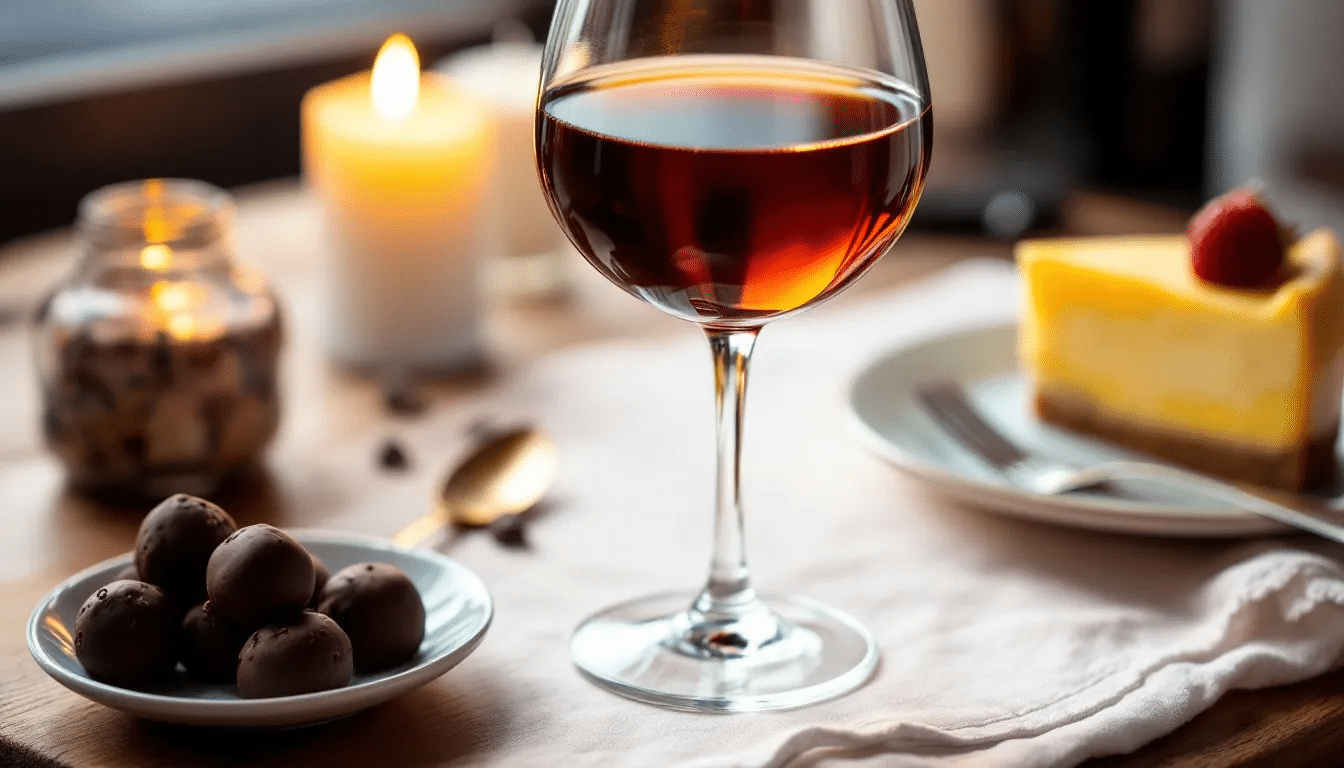
definition
Dessert wines are some of the most luxurious and complex expressions in winemaking. These sweet, concentrated wines offer an exquisite finale to meals or can be enjoyed on their own. Drinking dessert wine can be a delightful experience either with a meal or a glass on its own.
From the honeyed richness of Sauternes to the ethereal sweetness of ice wine, dessert wines showcase the artistry of both nature and winemaker.
What Grape Varietals are Used to Make Dessert Wine?
Dessert wines can be crafted from numerous grape varieties:
White Grape Varieties:
- Riesling
 Riesling is one of the world’s most nobl… More – Creates elegant ice wines and late harvest wines with bright acidity balancing intense sweetness
- Gewürztraminer – Aromatic dessert wines with spice and floral notes.
- Chenin Blanc – Used in Loire Valley dessert wines, offering honey and quince flavors.
- SémillonSémillon is a golden-skinned white wine … More and Sauvignon BlancPronunciation: SO-vee-nyohn BLAHN (Frenc… More – The classic Sauternes blend, susceptible to noble rot.
- Moscato/Muscat – Naturally sweet grapes create fragrant, grapey dessert wines
- ViognierViognier (pronounced vee-own-YAY) is an … More – Produces rich, apricot-scented late harvest wines


Red Grape Varieties:
- Zinfandel – California’s signature for rich, jammy port-style wines
- Grenache – Used in fortified wines from Southern France and Australia
- Touriga NacionalTouriga Nacional is Portugal’s most pres… More – A key grape in authentic Portuguese Port
- TempranilloTempranillo is Spain’s main grape and on… More – Creates Spanish dessert wines with fig and date characteristics
- MerlotMerlot is one of the world’s most widely… More and Cabernet Sauvignon


How is Dessert Wine Made
Dessert wine production employs several specialized techniques to concentrate sugars and create the characteristic sweetness:
Noble Rot (Botrytis Cinerea): This beneficial fungus dehydrates grapes while concentrating sugars and adding complex honeyed flavors. Famous examples include Sauternes from France and Tokaj from Hungary. The fungus creates microscopic holes in grape skins, allowing water to evaporate while preserving sugars and acids.
Late Harvest: Grapes are left on the vine longer than usual, sometimes into November or December, to increase ripeness and sugar concentration. Extended hang time allows natural dehydration and sugar concentration while maintaining acidity in cooler climates.
Ice Wine Production: Grapes freeze naturally on the vine in sub-zero temperatures. When pressed while frozen, the ice crystals remain behind while concentrated grape juice flows out. This process requires temperatures below -8°C (17°F) and results in intensely concentrated wines.
Fortification: Neutral grape spirits are added during fermentation to stop yeast activity and preserve residual sugar. For example, port wine is initially fermented in open tanks before fortification. The addition of grape spirits stops the fermentation to preserve residual sugar. Port and Sherry are classic examples, where the timing of fortification determines final sweetness levels.
Drying Methods: Grapes are dried either on straw mats (as in Vin Santo production) or hung in well-ventilated rooms to concentrate sugars naturally through dehydration. Traditional styles such as straw wine and vin de paille involve drying grapes on straw mats or racks to concentrate sugars before fermentation, with historical roots in regions like Jura, Rhone, and Alsace.
Notable Regions for Dessert Wine
Sweet wines are from all over the globe, and each place makes them differently based on their weather, grape types, and winemaking style. From California’s sunny vineyards to France’s foggy riversides, every region has its own special way of making these sweet treats!
France really knows how to make dessert wines. Sauternes in Bordeaux Bordeaux is one of France’s most famous … More is probably the most famous dessert wine. Here’s how it works: morning fog rolls in, then warm afternoons follow, and this weird thing called noble rot grows on the grapes. It concentrates the grape sugars and creates incredibly sweet wines that taste like honey, apricots, and caramel. Sauternes producers like Château d’Yquem create wines that balance sweetness with bright acidity and amazing smells and pair perfectly with foie gras or fruit tarts. The Loire Valley is another French region where Chenin Blanc grapes are used to make sweet wines with fruit and flower flavors, and a refreshing mineral finish.
Italy’s dessert wine game is just as strong, especially in places like Tuscany and Veneto! Vin Santo from Tuscany is made by drying grapes on straw mats to pack in the sugars, creating sweet wines with nutty flavors, dried fruit hints, and a warming alcohol kick. Veneto makes recioto della Valpolicella, which has a rich, raisin-like sweetness and deep fruit flavors. These Italian wines are perfect with biscotti or blue cheese.
Germany makes some of the world’s most incredible ice wines (Eiswein). The grapes are not harvested until they naturally freeze on the vine, which locks in grape sugars and acidity, resulting in intensely sweet wines with bright fruit flavors and crystal-clear purity. Winemakers carefully ferment wines for a perfect balance between sweet and fresh.
In the United States, California leads dessert wine production that ranges from late harvest Zinfandel and Muscat to fortified wines that taste like port and sherry. California’s varied weather offers winemakers the opportunity to experiment with different methods and grapes for sweet wine production. New York’s Finger Lakes region is producing excellent ice wines.
Portugal is home to the world-famous port wines, and Spain makes sherry. The sweet sherries like Pedro Ximénez and cream sherry taste like raisins, nuts, caramel, and dried fruits. These fortified wines are made by adding brandy during fermentation, preserving natural grape sugars, and creating a rich, warming style that pairs beautifully with chocolate desserts or aged cheeses.
The secret to making exceptional dessert wines is managing grape sugars, acidity, and alcohol content. Whether they use late harvest, noble rot, freezing, or fortification, winemakers use techniques to concentrate flavors and create wines that are sweeter, richer, and more complex than regular table wines. The result is this dazzling array of sweet wines, each with its own story, style, and perfect food match!
Color
Dessert wines display a remarkable spectrum of colors that often intensify with age:
Golden Hues: Young white dessert wines typically show pale gold to deep amber colors. Sauternes begins golden yellow and develops deeper amber tones with bottle age. Ice wines often display brilliant pale gold with green tinges.
Ruby to Tawny: Red dessert wines range from deep ruby in young Ports to mahogany and tawny colors in aged examples. Vintage Ports maintain ruby colors longer, while Tawny Ports deliberately develop amber-brick hues through oxidative aging.
Rosé Variations: Some dessert wines show beautiful pink to copper colors, particularly those made from red grapes with limited skin contact or rosé-style production methods.
The color Wine color refers to the visual appearan… More evolution in dessert wines serves as a visual indicator of age and style, with older examples generally showing deeper, more complex hues.
Aroma
The aromatic profile of dessert wines is typically intense and layered, reflecting concentrated flavors and often complex production methods:
Fruit Aromas: Fresh and dried fruit scents dominate many dessert wines. Tropical fruits like pineapple and mango appear in botrytis-affected wines, while stone fruits and pear characterize many late harvest examples. Citrus peel and marmalade notes are common in aged sweet wines.
Floral Notes: Honey, orange blossom, and jasmine, particularly in wines made from aromatic varieties like Muscat or Gewürztraminer.
Spice and Earth: Cinnamon, ginger, and exotic spices develop with age, while some dessert wines show mineral and earthy undertones from their terroir.
Oxidative Characters: Deliberately oxidized styles like Sherry display nutty, caramel, and dried fruit aromas. These complex scents develop through controlled exposure to oxygen during aging.
Botrytis Influence: Noble rot imparts distinctive honey, apricot, pear, and sometimes mushroom aromas that become more pronounced with bottle age.
Flavor
Dessert wine flavors are characterized by remarkable intensity and complexity, balancing sweetness with supporting elements:
Sweetness Spectrum: Residual sugar levels vary dramatically, from off-dry late harvest wines to intensely sweet ice wines containing 200+ grams per liter of residual sugar. The perception of sweetness is moderated by acidity and alcohol levels.
Fruit Flavors: Concentrated fruit flavors mirror the aromatic profile but with greater intensity. Citrus marmalade, dried apricots, figs, dates, and candied fruits are common descriptors. Red dessert wines often show jammy berry flavors and plum characteristics.
Textural Elements: The best dessert wines achieve balance between sweetness and acidity, creating a harmonious mouthfeel. Higher acidity prevents cloying sensations and adds freshness to rich, sweet flavors.
Secondary Flavors: Honey, caramel, toffee, and butterscotch notes develop with age and certain production methods. Fortified wines may show spirits-influenced flavors and warming alcohol sensations.
Mineral Finish: Quality dessert wines often finish with mineral or saline notes that provide complexity and prevent excessive sweetness from overwhelming the palate.
Structure
The structural components of dessert wine require careful balance to create harmonious, age-worthy wines:
Sugar-Acid Balance: The fundamental structural element in dessert wines is the relationship between residual sugar and natural acidity. High-quality examples maintain sufficient acidity to balance intense sweetness, preventing cloying sensations and adding freshness.
Alcohol Content: Varies significantly by style – natural dessert wines typically range from 8-14% alcohol, while fortified examples reach 15-20%. Many dessert wines, especially fortified styles, have a higher alcohol content compared to other wines.
Tannins: Present primarily in red dessert wines and some skin-contact whites, tannins provide structure and aging potential. Port wines rely on tannins for long-term development and complexity.
Glycerol Content: Sweet wines often contain higher glycerol levels, contributing to the characteristic rich, viscous mouthfeel that distinguishes them from dry wines.
Extract and Concentration: The concentration achieved through various production methods results in wines with greater extract, creating fuller body and more intense flavors than typical table wines. Dessert wines stand apart from other wines by exhibiting a fuller body and more intense flavors due to their unique production techniques.
Aging
Dessert wines often possess exceptional aging potential, with some styles improving for decades:
Cellar Evolution: Many dessert wines develop complexity through extended bottle aging. Colors deepen, fruit flavors evolve from fresh to dried and candied characteristics, and secondary flavors like honey, nuts, and caramel emerge.
Optimal Aging Conditions: Cool, stable temperatures (50-55°F) and minimal light exposure preserve delicate flavors and prevent premature oxidation. High humidity maintains cork integrity during long-term storage.
Aging Potential by Style:
- Ice Wines: 10-20 years, developing petroleum and honey notes
- Sauternes: 20-50+ years for top examples, gaining complexity and depth
- Vintage Port: 20-40+ years, requiring decanting when mature
- Tokaj Aszú: Decades to centuries, with legendary aging potential
- Sherry: Varies by style, with some improving for 50+ years
Service Considerations: Aged dessert wines may require decanting to separate sediment and allow proper aeration. Serving temperatures should be slightly cooler than room temperature to balance alcohol and preserve delicate aromatics.
Classic Dessert Pairings:
- Fruit Tarts and Sorbets: Light, citrus-based ice wines complement fruit desserts without overwhelming delicate flavors
- Chocolate Desserts: Rich, fortified wines like Port provide sufficient intensity to match dark chocolate’s complexity
- Crème Brûlée and Custards: Sauternes and other botrytis wines echo vanilla and caramel flavors in classic French desserts
- Cheese Plates: Blue cheeses create classic combinations with sweet wines, where salty, pungent flavors contrast beautifully with honeyed sweetness
Savory Applications:
- Foie Gras: Sauternes remains the classic pairing, with sweetness balancing rich, fatty textures
- Spicy Cuisine: Off-dry styles complement spicy Asian and Indian dishes, where sweetness tempers heat
- Aged Cheeses: Hard, aged cheeses like Parmigiano-Reggiano pair surprisingly well with sweet wines
- Charcuterie: Certain dessert wines complement cured meats, particularly those with fruit and spice notes
Temperature and Glassware: Serve dessert wines chilled (45-50°F) in smaller glasses that concentrate aromatics while providing appropriate portion sizes for the intense flavors. Dessert wines are traditionally enjoyed in small glassware, similar to that used for spirits, to enhance the tasting experience and highlight their unique characteristics.
Conclusion
Dessert wines represent one of wine’s most artistic and technically challenging categories. From the patient cultivation required for ice wine production to the precise timing needed for noble rot development, these wines showcase the intersection of natural phenomena and human skill.