
Swirl, Sniff, Smell
How It’s Used When Tasting Wines and Alcohols The “swirl, sniff, smell” technique is a systematic approach to evaluating wine…
definition
How It’s Used When Tasting Wines and Alcohols
The “swirl, sniff, smell” technique is a systematic approach to evaluating wine and spirits before tasting. Here’s how it works:
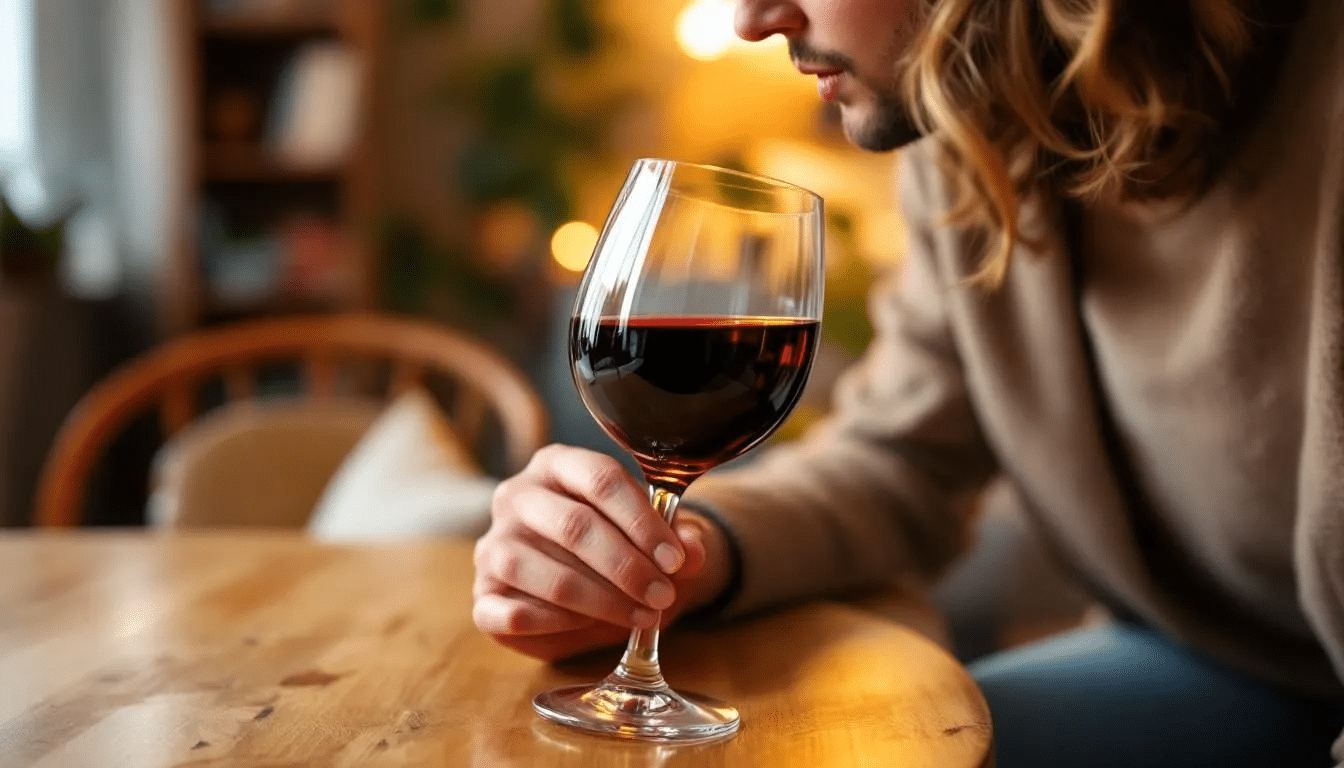
Swirl: Hold the glass by its stem and gently rotate it in circular motions. This can be done in the air or with the base resting on a table. The liquid coats the inside of the glass, creating “legs” or “tears” that run down the sides.
Sniff: After swirling, bring the glass to your nose and take a quick, initial sniff with the glass slightly away from your face. This captures the most volatile, delicate aromas.
Smell: Finally, insert your nose deeper into the glass and take a longer, more deliberate inhalation. Many of the aromas smelled at this stage originate from the underlying substance of the wine or spirit. As you smell, notice how the aroma can fill the room and influence the overall tasting environment. This allows you to analyze the full complexity of aromas, from the lightest to the most concentrated, often identifying notes reminiscent of food and flowers. The overall sensation experienced during the swirl, sniff, smell process is a key part of sensory perception in tasting.
The Science of Smell in Wine Tasting
The amazing science behind how we smell things is what makes wine tasting such an incredible experience! When you swirl a glass of wine around, you’re actually releasing a whole bunch of airborne chemicals (things like esters, aldehydes, and terpenes – fancy names for smell molecules!) that float up from the liquid and go right into your nose. Inside your nose, special smell sensors called olfactory receptors work like tiny detectives, picking up on these unique scent compounds. The smell system in humans is really well-developed (much better than you might think!), and it sends all this information straight to your brain so you can smell and understand what the wine is all about.
This whole process is what lets wine tasters tell the difference between different grape types, different years, and even wines from different places! Your sense of smell works together with your sense of taste (they’re like best friends!) to give you the complete picture of what a wine is really like.
Since our sense of smell can detect thousands of different chemicals in wine, it plays a significant role in determining whether a wine is high quality, complex, or has a particular style. For wine lovers and professionals alike, having a keen sense of smell is what separates the good tasters from the great ones – it allows them to pick up even the most delicate aromas hiding in that glass.
The Role of Olfactory Receptors
Olfactory receptors are the true champions of the wine tasting world! These amazing specialized cells (tucked away deep inside your nasal cavity) work like tiny detectives to pick up the chemical compounds that create each wine’s unique smell. When you take that first inhale over your glass, odor molecules from the air, whether they’re from perfumes, fragrances, or that beautiful Burgundian Pinot Noir you’re about to taste, latch onto these olfactory receptors. This incredible interaction sends a signal racing along the olfactory nerves straight to your brain, where it gets translated into that specific scent or aroma that makes you go “wow!”
The sensitivity of these olfactory receptors is absolutely mind-blowing (they can detect even the tiniest concentrations of odor molecules!), which means you can pick up on all those complex layers of aroma that make a wine truly special and high-quality. Things like how warm or humid it is in the room, plus whatever else might be floating around in the air, can really affect how well these little powerhouses detect and process those scents.
There’s actually a saying among wine professionals that your nose knows before your tongue does! At the end of the day, it’s the incredible power of olfactory receptors to detect and tell apart countless chemical compounds that makes the whole experience of smelling—and truly appreciating—wine so wonderfully complex and rewarding.
The Importance of Each Step
Swirling
- Releases aromatic compounds: Agitation increases the wine’s surface area exposed to air, causing ethanol to evaporate and carry hundreds of volatile compounds—including gases that contribute to the aroma—into the glass’s headspace. This action has created an optimal environment for aroma evaluation.
- Oxygenates the liquid: Brief aeration can help “open up” the wine, making closed
 Closed wine (also called a “dumb phase” … More or tight aromas more accessible
- Reveals characteristics: The viscosity and legsWine legs (also called “tears”) are the … More can indicate alcohol content, glycerol levels, and body

Sniffing (First Assessment)
- Captures delicate notes: The initial sniff acts as a mechanism for detecting the most volatile, fleeting aromas that might dissipate quickly
- Provides first impressions: Helps identify obvious faults like cork taint, oxidationWhat is the best way to aerate red wine … More, or volatile acidity before they’re masked by stronger scents
- Prevents olfactory fatigue: A quick sniff is less overwhelming than immediately deep-smelling

Smelling (Deep Analysis)
- Identifies complexity: Deep analysis relies on the process of olfaction to identify complex aroma layers, revealing primary (fruit), secondary (fermentation), and tertiary (aging) characteristics.
- Detects quality indicators: Well-made wines show harmony, intensity, and complexity in their bouquetA wine bouquet refers to the complex arr… More.
- Engages memory: The olfactory system is closely linked to memory and emotions, helping you identify familiar scents and build your sensory vocabulary.

What Is the Purpose of This Process
The primary purposes are:
Quality Assessment: Professional tasters use this method to evaluate whether a wine is sound, well-made, and true to its type. They’re checking for faults, balance, and typicity.
Flavor Prediction: Since smell accounts for approximately 80% of what we perceive as “taste,” the nose provides crucial information about what flavors you’ll experience on the palate.
Appreciation Enhancement: For enthusiasts, this ritual slows down consumption and heightens awareness, transforming drinking into a mindful, sensory experience that reveals nuances you’d miss otherwise. Each step contributes to a more thorough evaluation, allowing for a deeper perception of the wine’s complexity.
Communication: It provides a standardized framework for describing and comparing wines, essential for professionals who need to communicate their findings clearly. This process also helps tasters discover new aromas and qualities in wine, broadening their sensory vocabulary.
Tasting Etiquette
Tasting Etiquette
Tasting etiquette is way more than just fancy tradition—it’s an absolutely brilliant set of thoughtful practices that help you fully appreciate the characteristic smell and distinctive smell of wines, perfumes, and other aromatic substances! When tasting wine, proper etiquette starts with holding the glass by the stem (never by the bowl—that would warm your precious liquid with your hand temperature of around 98.6°F!), then gently swirling to release the wine’s incredible aroma. Bringing the glass to your nose, you take a moment to detect the scent, allowing your amazing olfactory system to perceive the full range of aromas present.
Sometimes there can be over 200 different aroma compounds in a single glass! Small sips are taken to savor the flavor and texture, while attention is paid to the wine’s color Wine color refers to the visual appearan… More, clarity, and viscosity. There’s actually a technique where experienced tasters take sips of just 5-10 milliliters to get the full sensory experience!
In the fantastic world of perfumes and fragrances, etiquette involves applying a small amount of perfume to the skin—often on the wrist or inner elbow where your pulse points are warmest—and waiting for the scent to develop over time (usually 15-30 minutes for the full evolution!). This allows you to experience the top notes (which last 5-15 minutes), middle notes (lasting 2-4 hours), and base notes (which can linger for 6-8 hours or more!), and to detect the overall character and quality of the fragrance.
Professional perfumers sometimes test up to 50 different fragrances in a single session! By following these guidelines, you can better appreciate the unique qualities of each wine or perfume, and more easily identify subtle differences in aroma and scent. Understanding the concept of characteristic smell and distinctive smell not only enhances your enjoyment tremendously, but also sharpens your ability to detect and describe the aromas and qualities that make each experience absolutely memorable!
Who Uses It
Sommeliers and Wine Professionals: Users of the swirl, sniff, smell technique, such as sommeliers and wine professionals, rely on it extensively for quality control, wine list curation, and customer recommendations. It’s fundamental to certification programs like the Court of Master Sommeliers.
Winemakers and Viticulturists: They employ these methods during production to monitor fermentation, blending decisions, and aging processes.
Spirits Professionals: Whiskey, cognac, and rum experts adapt this technique for higher-alcohol beverages, often adding water to release aromas without overwhelming ethanol vapors.
Wine Critics and Journalists: Reviewers use this systematic approach to evaluate wines fairly and consistently for ratings and tasting notes.
Enthusiasts and Collectors: Serious wine lovers adopt these practices to deepen their appreciation and make informed purchasing decisions.
Hospitality Professionals: Restaurant staff and retailers use simplified versions when presenting wines to customers, though they may abbreviate the process in service settings.
- Researchers: Researchers study the effectiveness and underlying science of the swirl, sniff, smell technique, investigating mechanisms like predictive coding and neural processing in the olfactory system.
Conclusion
The swirl, sniff, smell ritual is far more than pretentious theater; it’s a scientifically grounded practice that unlocks the full sensory potential of wine and spirits. By deliberately engaging our sense of smell, which is vastly more sensitive than taste, we access a wealth of information about quality, origin, age, and character that would otherwise remain hidden.
This technique democratizes wine appreciation by providing a reproducible method anyone can learn. Whether you’re a professional conducting formal evaluations or simply someone who wants to get more enjoyment from a glass of wine, these three simple steps transform a beverage into an experience. The ritual also encourages mindfulness and presence, inviting us to slow down and fully engage with what we’re drinking, a valuable counterpoint to our often rushed consumption habits.
Ultimately, swirl, sniff, smell represents the beautiful intersection of science, tradition, and pleasure that makes wine culture endlessly fascinating.