
Zweigelt
Zweigelt (pronounced “TSVY-gelt”) is Austria’s most widely planted red wine grape variety and one of the country’s greatest viticultural success…
definition
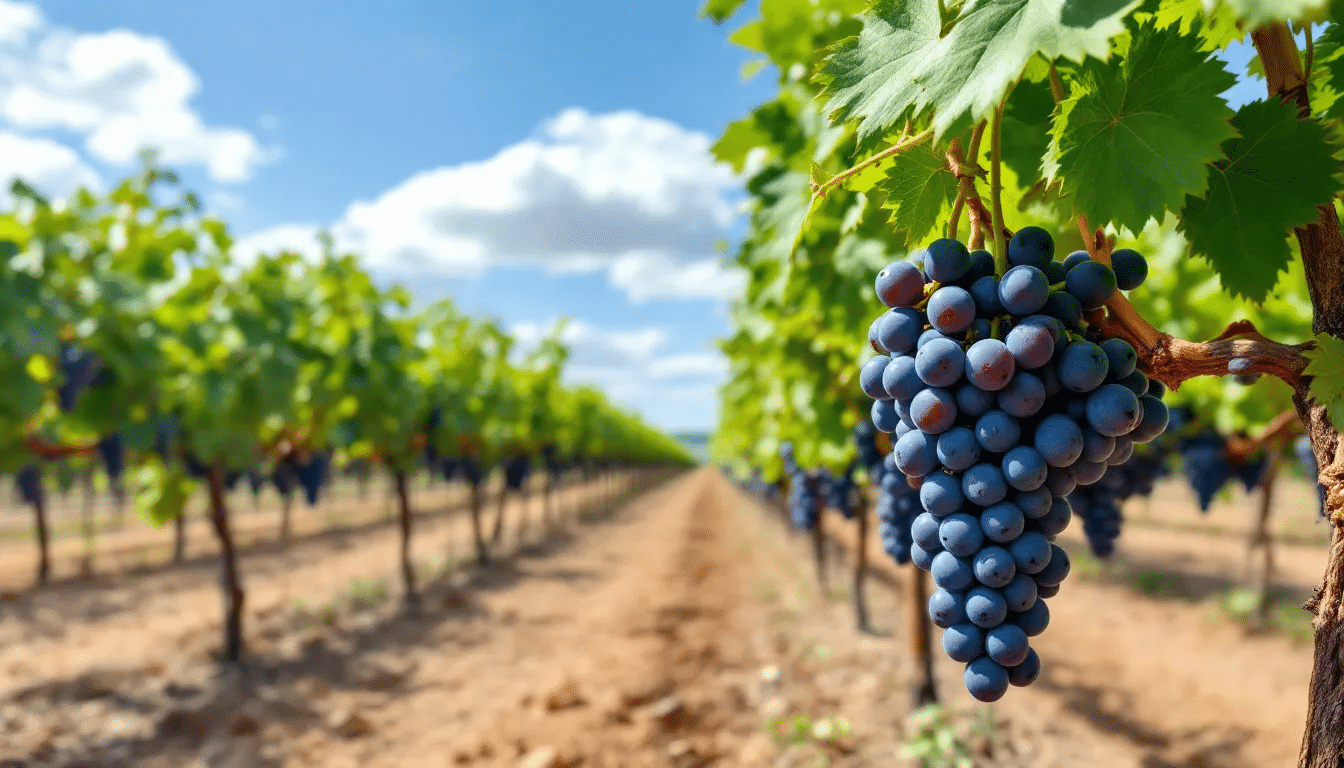
Zweigelt (pronounced “TSVY-gelt”) is Austria’s most widely planted red wine grape variety and one of the country’s greatest viticultural success stories. This relatively young grape variety has become synonymous with Austrian red wine and is used to make approachable yet high-class, sophisticated wines that showcase fruit-forward charm and surprising complexity. This black grape represents a perfect marriage of tradition and innovation in winemaking.
Origins of Zweigelt
Zweigelt was first created in 1922 by Dr. Fritz Zweigelt, an Austrian viticulturist working at the Federal Institute for Viticulture and Pomology in Klosterneuburg, Austria. Dr. Zweigelt crossed two classic Austrian grape varieties: Blaufränkisch (known for its structure and spice) and St. Laurent (prized for its elegance and cherry flavors). His goal was to create a grape that would ripen reliably in Austria’s challenging climate while producing wines of exceptional quality.
Initially, the variety was called “Rotburger” and renamed “Zweigelt” in 1975 to honor its creator. Interestingly, Dr. Fritz Zweigelt was a controversial figure who joined the Nazi Party during World War II, which delayed recognition of his viticultural achievements until decades later. Despite this complicated history, the grape variety itself has become a symbol of Austrian winemaking excellence.
The first commercial plantings occurred in the 1930s; however, Zweigelt didn’t gain widespread recognition until the 1980s, when Austrian winemakers began focusing on quality over quantity following the antifreeze scandal of 1985.
What Makes Zweigelt Unique
Zweigelt’s uniqueness lies in its remarkable versatility and adaptability. The grape combines the best characteristics of both parent varieties while developing its own distinct personality. It ripens earlier than many red varieties, making it ideal for cooler climates, yet it maintains good acidity and doesn’t lose elegance in warmer sites with high temperatures.
The grape’s thick skin provides good color extraction and tannin structure, while its natural vigor means consistent yields. Zweigelt is particularly notable for its ability to express terroir, showing distinct characteristics depending on soil type, elevation, and microclimate. This transparency makes it an excellent choice for planting in specific vineyard sites.
Another unique aspect is Zweigelt’s aging potential. While many examples are made for early drinking, vines planted in the best sites and careful winemaking can produce wines that develop beautifully over time, up to 10-15 years, gaining complexity and depth while maintaining their essential fruit character.
Where Zweigelt Grows in the World
Austria remains the undisputed home of Zweigelt, with over 6,400 hectares planted, about 14% of the country’s total vineyard area. The primary growing regions include:
- Burgenland: The largest plantings, particularly in Neusiedlersee and Neusiedlersee-Hügelland, where the warm Pannonian climate and diverse soils create ideal conditions
- Niederösterreich (Lower Austria): Significant plantings in Carnuntum, Thermenregion, and scattered throughout other regions
- Wien (Vienna): Urban vineyards producing elegant, mineral-driven styles
International Plantings are limited but growing:
- Germany: Small plantings in warmer regions like Pfalz and Baden
- Czech Republic: Increasing interest, particularly in Moravia
- Slovakia: Growing recognition in southern wine regions
- Canada: Experimental plantings in British Columbia and Ontario
- United States: Limited plantings in cooler climate regions of New York and Virginia
The grape’s preference for continental climates with warm days and cool nights limits its global spread, but climate change may open new territories for successful cultivation.
How Winemakers Use Zweigelt
Winemakers appreciate Zweigelt’s flexibility, using it to create wines ranging from light, Beaujolais-style expressions to serious, age-worthy reds. Common winemaking approaches include:
Single Varietal Wines: Most Zweigelt is bottled as a single variety, allowing its character to shine through. Winemakers may use different techniques to emphasize various aspects:
- Cold maceration
 Cold soaking, also known as cold macerat… More for enhanced fruit and color
- Extended skin contact for more tannin and structure
- Whole cluster fermentation for added spice and complexity
Blending Component: Zweigelt works excellently in blends, often paired with:
- Blaufränkisch (its parent) for added structure and spice
- Merlot for roundness and body
- Cabernet Sauvignon
- St. Laurent (its other parent) for elegance and perfume

Oak Treatment: Approaches vary widely:
- Stainless steelStainless steel wine tanks and equipment… More for fresh, fruit-forward styles
- Large old oak for subtle integration
- New oak for premium bottlings requiring structure
- Concrete eggs or amphorae for textural complexity

Production Styles:
- Rosé: Increasingly popular, showcasing the grape’s bright acidity and red fruit character
- Sparkling: Traditional method sparkling wines highlight the grape’s natural freshness
- Late harvestLate harvest wines represent one of the … More: Rare but exceptional sweet wines from botrytis-affected grapes

Tasting Notes and Wine Specifications
Color:
Zweigelt typically displays a vibrant ruby to deep cherry red color. Young wines show bright, clear red hues with purple undertones, while aged examples develop brick and garnet edges. The color intensity varies with winemaking style and vineyard site, but generally maintains good depth and clarity.
Aroma:
The aromatic profile is distinctly fruit-forward with characteristic notes of:
- Primary fruits: Sour cherry, red currant, raspberry, and blackberry
- Floral elements: Violet, rose petal, and lilac
- Spice notes: Black pepper, cinnamon, and subtle herbs
- With ageIn wine terms, “age” refers to how long … More: Leather, forest floor, tobacco, and dried fruit complexity
- Oak influence: Vanilla, cedar, and sweet spices when barrel-aged

Flavor:
On the palate, Zweigelt offers:
- Fruit character: Fresh red and dark berry flavors with a characteristic sour cherry brightness
- Herbal notes: Subtle hints of thyme, oregano, and Mediterranean herbs
- Spice: White and black pepper, paprika, and warming spices
- Mineral elements: Stone fruit pit, wet stone, and earthyEarthy wines are those that evoke aromas… More undertones
- FinishFinish refers to the practice of aging s… More: Generally medium to long with persistent fruit and gentle spice


Structure:
- Tannins: Moderate and well-integrated, providing structure without overwhelming the fruit
- Acidity: Bright and refreshing, typically 5.5-6.5 g/L, maintaining freshness
- Alcohol: Usually 12.5-14% ABVWhat Does A.B.V. Mean in Wine? What does… More, well-balanced with fruit intensity
- Body: Medium-bodied with good concentration and mouthfeel
- Texture: Smooth and approachable when young, developing complexity with age

Aging:
- Drink young: Entry-level wines are best consumed within 2-3 years for maximum freshness
- Premium expressions: Can age 8-12 years, developing tertiary complexity
- Reserve/Single vineyard: The best examples age gracefully for 15+ years
- Peak drinking: Most wines hit their stride between 3-7 years after vintage
- Aging characteristics: Maintains fruit character while gaining earthiness and spice complexity
Food Pairing:
Zweigelt’s moderate tannins and bright acidity make it exceptionally food-friendly:
- Austrian cuisine: Wiener Schnitzel, Tafelspitz, and traditional sausages
- Game meats: Venison, wild boar, and duck
- Grilled meats: Lamb chops, pork tenderloin, and beef steaks
- Charcuterie: Prosciutto, salami, and aged cheeses
- Vegetarian: Mushroom dishes, ratatouille, and herb-crusted vegetables
- Spicy food: Pairs well with paprika-based dishes and mild to moderate spice levels
Zweigelt Today
Zweigelt stands as Austria’s flagship red variety and a symbol of the country’s wine renaissance. Modern Austrian winemakers have elevated the grape from a simple quaffing wine to serious, terroir-driven expressions that compete on the international stage.
- Premium single-vineyard bottlings showcasing specific sites and microclimates
- Organic and biodynamic production emphasizing sustainable viticulture
- Alternative winemaking techniques including natural fermentation and minimal intervention
- Rosé production capitalizing on the grape’s natural freshness and color
- International recognition through wine competitions and export markets
The grape has benefited from Austria’s wine quality revolution, and younger winemakers bringing international experience and modern techniques while respecting traditional methods. Climate change has favored Zweigelt, allowing for more consistent ripening and enabling plantings in previously marginal sites.
Export markets, particularly in Germany, the UK, and North America, have shown growing appreciation for quality Zweigelt, helping establish the variety beyond Austria’s borders.
Should You Try Zweigelt?
Accessibility: The grape produces wines that are immediately approachable yet offer enough complexity for serious wine lovers. This makes it perfect for both casual drinking and contemplative tasting.
Value: Austrian Zweigelt typically offers excellent quality-to-price ratios, especially compared to more internationally recognized varieties like Pinot Noir or Merlot.
Versatility: Whether you prefer light, fresh reds or more structured, age-worthy wines, there’s likely a Zweigelt style that appeals to you.
Food-friendliness: The grape’s natural acidity and moderate tannins make it one of the most versatile food wines available.
Discovery factor: Trying Zweigelt offers the excitement of discovering a grape variety that remains relatively unknown outside Austria, making you a pioneer among your wine-drinking friends.
Quality trajectory: The overall quality of Austrian Zweigelt continues to improve, meaning you’re exploring a category on the rise rather than resting on past laurels.
Conclusion
Zweigelt represents one of modern viticulture’s great success stories – a grape variety created through scientific innovation that creates distinctive and compelling wines. From its origins in 1922 Austria to today’s premium expressions, Zweigelt has proven that new grape varieties can achieve greatness.
The variety’s combination of approachability and complexity, its clear expression of terroir, and its remarkable food-pairing versatility make it deserving of serious attention from wine lovers worldwide. As Austrian winemakers continue to push quality boundaries and explore new expressions of this variety, Zweigelt’s reputation will undoubtedly continue to grow.
For wine enthusiasts seeking to broaden their horizons beyond the familiar international varieties, Zweigelt offers a perfect entry point into the sophisticated world of Austrian wine. It’s a grape that rewards both casual appreciation and serious study, making it an ideal addition to any wine lover’s repertoire. Whether you’re drawn to its bright fruit character, its food-pairing prowess, or its representation of Austrian winemaking excellence, Zweigelt delivers a uniquely satisfying wine experience that bridges tradition and innovation in every glass.