
Understanding Aged Wine

What is Considered As Being Aged Wine?
Aged wine refers to wine that has been stored for a significant period, allowing it to undergo chemical reactions that enhance its complexity and flavor profile. The aging process, or 'aging wine,' can vary greatly depending on the type of wine, with some wines reaching their peak after just a few years, while others may take decades to achieve perfection. The concept of aging wine is rooted in the belief that certain wines improve with age In wine terms, “age” refers to how long ... More, developing richer flavors and more aromatic qualities.

How Wine Ages
Wine aging is a fascinating journey that transforms the liquid in your glass into something more complex and mature. As wine ages, it undergoes a series of chemical reactions that alter its flavors, aromas, and textures. This process can span from a few months to several decades, depending on the type of wine and how it’s stored.
During aging, the tannins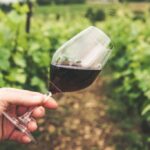
The aging process can be broken down into three stages: primary, secondary, and tertiary. The primary stage involves the initial fermentation, where the wine develops its core flavors and aromas. The secondary stage is where the magic of aging happens, with the wine gaining secondary flavors and aromas. Finally, the tertiary stage brings out the most complex and layered characteristics, making the wine a true delight for the senses.
Factors That Affect Wine Aging
Several factors play a crucial role in how well a wine ages. The type of grape is a significant determinant, with some red varieties like Cabernet Sauvignon
 Pinot Noir is one of the world’s most re... More, and white varieties such as Chardonnay
 Chardonnay is a white wine made from gre... More and Riesling
 Riesling is one of the world's most nobl... More being more suitable for aging due to their higher tannins and/or acidity levels.
Climate and soil conditions also impact a wine’s aging potential. Wines from cooler climates and poor well-drained soils tend to age better, developing more refined Refined is a term that refers to wine th... More flavors over time. Traditional winemaking techniques, which often involve longer fermentation and aging periods, can also enhance a wine’s ability to age gracefully compared to modern methods which are often designed to create wines that are drinkable immediately.
Storage conditions are equally important when aging wine. Wines stored in cool, dark places with stable temperatures are more likely to age well. Humidity levels and the type of closure used (such as a traditional cork or screw cap) can also influence how the wine ages. Proper storage ensures that the wine develops its full potential without being spoiled by external factors.

The Science of Wine Aging
The science behind wine aging is a complex interplay of chemical reactions involving tannins, acids, and sugars. For red wines, tannins, which are naturally present in grape skins, seeds, and stems, play a pivotal role in the aging process. They help to soften the wine and contribute to a more complex flavor profile over time.
Acids in the wine, such as tartaric and malic acid Malic acid is one of the primary organic... More, are essential for maintaining balance and freshness. As the wine ages, these acids interact with other components, enhancing the wine’s overall balance and complexity.
Sugars in the wine can also influence aging. While they add sweetness, they can also lead to the development of off-flavors if not properly managed. The type of closure used for the wine bottle is another critical factor, as it controls the amount of oxygen that enters the bottle, affecting the wine’s flavor and aroma. Sugar and acidity are crucial for extended aging in white wines.
Why is Aged Wine Better to Drink?
The allure of aged wine lies in its ability to slowly transform over time. As wine ages, the tannins soften, and the wine tastes can be enhanced or altered, leading to a more integrated and balanced flavor profile. This results in a more refined taste that many wine lovers find appealing. The aging process also allows for the development of secondary and tertiary aromas Tertiary aromas are the complex scents t... More, which can add additional layers of complexity to the wine’s bouquet
 A wine bouquet refers to the complex arr... More.
Does Wine Get Better with Age?
While many wines improve with age, it’s important to note that not all wines improve with age. Only the finest and most expensive wines are typically associated with aging potential, but numerous less expensive options can also age nicely but for a shorter period. Most wines on the market today are designed to be drunk immediately or within a few years of bottling. However, certain red wines, such as Cabernet Sauvignon and Pinot Noir, along with some white wines like Chardonnay and Riesling, and fortified wines have the potential to age well due to their chemical compounds, higher acidity, and tannin content.
Can a Wine Age Too Much?
Indeed, a wine can age too much, reaching a point where some old wines are no longer enjoyable. Over-aging can lead to a loss of flavor and aroma, a change in color What role do Anthocyanins play in wine? ... More, and decreased acidity. The wine may also oxidize, resulting in a stale, flat taste.
To minimize the risk of over-aging, it’s essential to store wine in optimal conditions and monitor its progress regularly. Tasting the wine periodically can help determine its condition and whether it has reached its peak. Decanting Wine decanting serves two primary purpos... More the wine can also provide insights into its current state, allowing wine lovers to enjoy it at its best.
What Does Aged Wine Taste Like?
The taste of aged wine can be quite different from that of a young wine. High-quality sparkling wines, especially those made through traditional bottle fermentation, can age remarkably well and develop complexity over time. Over time, the primary fruit flavors may diminish, giving way to more complex notes such as dried fruit, earth, and spice. The wine’s texture can also change, becoming smoother and more velvety as the tannins soften. This acquired taste is often what makes aged wines so prized among connoisseurs. older wines may lose their primary aromas with extended aging and will display secondary notes as the wine improves with age
Which Wines Age Well?
Not all wines are created equal when it comes to aging potential. Red wines like Cabernet Sauvignon, Merlot Merlot is one of the world's most widely... More, and Syrah
 Syrah is a full-bodied red wine and is o... More are known for their ability to develop beautifully over time. White wines such as Riesling and Chenin Blanc
 Chenin Blanc's story begins in the Loire... More can also age well, often developing intriguing flavors and aromas. Fortified wines, like Port and Sherry
 Sherry represents one of the world’s mos... More, are particularly suited for long-term aging due to their higher alcohol content and sugar levels.
How Should Wine Be Stored in a Wine Cellar for Aging?
Proper storage is crucial for aging wine successfully. Wine should be kept in a cool, dark place that is humid and with a consistent temperature, ideally between 50-59°F (10-15°C). A wine cellar or a dedicated wine fridge is ideal for this purpose. It's also important to store wine bottles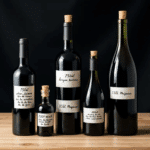 The history of wine bottles is fascinati... More on their sides to keep the cork moist as if it dries out it can shrink which means that too much oxygen may enter the bottle which will cause the wine to age prematurely or even go off.
How to Tell if an Older Wine is Still Good to Drink?
Determining if an older wine is still good to drink can be a challenge, but there are several indicators to guide you. First, examine the color Wine color refers to the visual appearan... More of the wine. A vibrant
 A vibrant wine is a tasting descriptor f... More, rich
 Rich wine refers to wines that deliver a... More color suggests the wine is still in good condition, while a dull, faded hue may indicate it’s past its prime.
Next, take a sniff. A wine that is still good will have a complex, inviting aroma. If the aroma is flat or musty, the wine has been exposed to too much oxygen or may be over-aged. Tasting the wine is the ultimate test. A well-aged wine will have a rich, layered flavor, while an over-aged wine will taste dull and lifeless.
Acidity and tannin levels are also key indicators. A good acidity level suggests the wine is still fresh, while a low acidity level can mean it’s over the hill. Similarly, a balanced tannin level indicates the wine has aged well, whereas a lack of tannins can signal it’s time to say goodbye.
By paying attention to these signs, you can better assess whether an older wine is still good to drink. However, the most reliable method is to taste the wine, as the aging process can be unpredictable, and the true test lies in the experience of savoring the wine.
In conclusion, aged wine offers a unique and sophisticated drinking experience for those who appreciate the details of mature wine. Whether you're a seasoned wine expert or a curious enthusiast, exploring the world of aged wines can be a rewarding journey.


