
Champagne
The Champagne region is approximately 150 kilometers (90 miles) east of Paris. Champagne is a famous wine region in northeastern…

definition
The Champagne region is approximately 150 kilometers (90 miles) east of Paris. Champagne is a famous wine region in northeastern France and is the only place in the world where Champagne can be produced. The Champagne region encompasses five departments: Marne, Aube, Aisne, Haute-Marne, and Seine-et-Marne. The historic cities of Reims and Épernay serve as the commercial capitals of Champagne, with Reims being the main city in the Marne département and a key hub for visitors, housing many of the world’s most prestigious Champagne houses.
The region’s boundaries are strictly defined by law as a production zone, and only sparkling wines produced within this designated area using specific methods can legally be called “Champagne.” The production zone is strictly legislated and defined by the Champagne appellation d’origine contrôlée, with legislation enacted in 1927. The entire Champagne region is recognized worldwide for its unique terroir, and its location at the crossroads of historic trade routes contributed to its fame.
Champagne has one unified appellation: Appellation d’Origine Contrôlée (AOC) Champagne, officially known as the Champagne appellation d’origine contrôlée, established in 1936. The Champagne AOC area encompasses several sub-regions, including Montagne de Reims, Vallée de la Marne, Côte des Blancs, Côte des Bar, and Côte de Sezzane, each contributing unique terroirs and characteristics to the overall appellation. However, within this single appellation, there are several important geographical designations:
Sub-regions and Classifications:
- Montagne de Reims – Known for Pinot Noir. The Montagne de Reims forms a broad headland carpeted with woodland and thickets, flanked by two rivers—the Vesle to the north and the Marne to the south. This region’s specific features, including its different soils and topography, create different natural environments that influence the character of its wines.
- Vallée de la Marne – Famous for Pinot Meunier, is characterized by steep hillsides and different soils, which play a crucial role in shaping grape quality and the unique profile of the wines produced here.
- Côte des Blancs – Renowned for Chardonnay
- Côte de Sézanne – Primarily Chardonnay. Located to the southeast of the main Champagne area, this sub-region benefits from its own distinct climate and soil conditions.
- Côte des Bar (Aube) – Mixed varieties. The Bar-sur-Aube area is a notable sub-region within the Côte des Bar, recognized for its specific features, different soils, and different natural environments that contribute to the prominence of Pinot Noir and the diversity of local producers.
Village Classifications:
- 17 Grand Cru

These villages are known as grands crus, representing the highest quality classification in the Champagne region. - 42 Premier CruA Premier Cru wine represents one of the… More villages (90-99% rating)
- Remaining villages (80-89% rating)


What Makes Champagne Unique
Champagne’s uniqueness stems from several factors: it is a legally protected name reserved exclusively for sparkling wines produced in the Champagne area of France, using specific methods and grape varieties. Although Champagne is one region, minor differences in soil, climate, and topography have a direct impact on the wines produced, so even wines made from the same grape variety rarely have the same profile. These regional distinctions mean that each sub-region contributes to the region’s diversity and character.
The tradition of blending in Champagne is rooted in the region’s diversity, allowing producers to combine wines from different sub-regions, grape varieties, and vintages to achieve a consistent house style. This approach takes advantage of the unique qualities each area brings, ensuring complexity and balance in the final product.
The Méthode Champenoise
The traditional method involves:
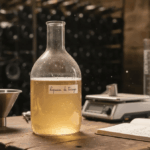
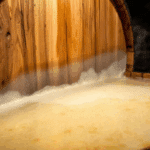
- Primary fermentationPrimary fermentation is the initial and … More in tanks
- Blending of base wines (assemblageWhat is Assemblage in Wine? Wine, in all… More)
- Secondary fermentation in a bottle with added yeastWine yeast is a microorganism essential … More and sugar (tirageTirage is a French term (“drawing” or “p… More)
- Aging on lees (sur lieSur lie (French for “on the lees”) is a … More) for a minimum of 15 months
- Riddling (remuage) to collect sediment
- Disgorging (dégorgement) to remove sediment
- Final dosage addition


Legal Protection
Only sparkling wine from the Champagne region made using méthode champenoise can be called Champagne. This protection has been fiercely defended since the early 20th century.
Blending Tradition
Most Champagnes are non-vintage blends of multiple years, grape varieties, and vineyard sites, creating consistent house styles.
Different Styles and Colors in Champagne
By Sweetness Level:
- Brut Nature/Zero Dosage (0-3 g/L sugar)
- Extra Brut (0-6 g/L sugar)
- Brut (0-12 g/L sugar) – Most common
- Extra Sec/Extra Dry (12-17 g/L sugar)
- Sec/Dry (17-32 g/L sugar)
- Demi-Sec (32-50 g/L sugar)
- Doux (50+ g/L sugar)
By Style:
- Non-Vintage (NV) – House style blend
- Vintage – From exceptional years only
- Prestige Cuvée – Top-tier bottlings
- Blanc de Blancs – 100% Chardonnay
- Blanc de NoirsBlanc de Noirs is a French term meaning … More – 100% Pinot Noir and/or Pinot Meunier
- Rosé – Pink champagne

Colors:
- White/Golden – Traditional Champagne colorWhat role do Anthocyanins play in wine? … More
- Rosé/Pink – Made by skin contact or blending red wines

How Many Hectares of Vineyards Are There in Champagne
The Champagne wine growing area is strictly controlled and protected by French wine law and is home to millions of vines on approximately 34,000 hectares (84,000 acres) of vineyards. Strict viticultural practices are adhered to ensure the fruit quality.
The furthest ones of the Champagne vineyards are separated by significant distances, which contributes to the diversity of terroirs and wine styles found across the region.
Most growers and vineyard owners in sub-regions such as Côte des Bar have historically sold their grapes to larger Champagne houses, but there is a growing trend among vineyard owners to focus on fruit quality and estate wine production.
The vineyard area has remained relatively stable, with only minor expansions approved in recent decades to meet growing global demand. Worldwide demand for Champagne continues to influence proposals for further expansion and shapes vineyard management decisions.
Iconic Champagne Houses
- Dom Pérignon – Prestige cuvée from Moët & Chandon
- Krug Grande Cuvée – Multi-vintage blend
- Louis Roederer Cristal – Luxury clear bottle
- Pol Roger Winston Churchill – Rich, powerful style
- Bollinger Grande Année – Pinot Noir-dominant vintage
- Taittinger Comtes de Champagne – Blanc de Blancs prestige
- Veuve Clicquot La Grande Dame – Historic house prestige cuvée
- Perrier-Jouët Belle Epoque – Art Nouveau bottle design
Grape Varietals
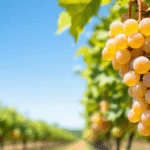
Champagne is made from three primary grape varieties: Chardonnay, Pinot Noir, and Pinot Meunier. The main white grape variety in Champagne is Chardonnay, which is especially prominent in the Côte des Blancs region. These grapes are essential to the region’s ability to produce wine of high quality and unique character. Producers use these grapes to produce wine that reflects the distinct terroir and regional characteristics of Champagne.
Chardonnay (28% of plantings)
- Contributes elegance, finesse, and aging potential
- Primary grape in Côte des Blancs
- Key component in Blanc de Blancs
Pinot Noir (38% of plantings)
- Provides structure, body, and longevity
- Dominant in Montagne de Reims
- Essential for Blanc de Noirs
Pinot Meunier (32% of plantings)
- Adds fruitiness and approachability
- Predominant in Vallée de la Marne
- Often used for immediate drinking wines
Historical Varieties (2% combined):
- Pinot BlancPinot Blanc, known as Pinot Bianco in It… More
- Pinot GrisPinot Gris has a fascinating history tha… More
- Arbanne
- Petit Meslier
- Voltis is an experimental white hybrid variety that was approved for experimental use in 2018. The Comité Champagne (Champagne’s regulatory body) has authorised a maximum of 5% of vineyard area can be planted in this grape, and that it is not designed to replace any of the traditional varieties but only to complement them.

Terroir and Climate
Climate
Champagne has a cool continental climate with maritime influences:
- Average temperature: 10°C (50°F)
- Long, cool growing season
- Risk of spring frosts and autumn rains
- Climate change is bringing earlier harvests
Soil Types
The region’s unique geology includes:
Chalk Subsoil:
- Provides excellent drainage
- Retains moisture during dry periods
- Reflects heat to aid ripening
- Creates ideal cellar conditions
Surface Soils:
- Côte des Blancs: Pure chalk, perfect for Chardonnay
- Montagne de Reims: Chalk with sand, ideal for Pinot Noir
- Vallée de la Marne: Clay-limestone, suits Pinot Meunier
- Côte des Bar: Kimmeridgian marl, similar to Chablis
Topography
- Vineyards planted on slopes facing south and southeast
- Elevation ranges from 90-300 meters
- Slope angles optimize sun exposure and drainage
Conclusion
Champagne represents the pinnacle of sparkling wine production, combining centuries of tradition with meticulous craftsmanship. Its unique combination of climate, terroir, grape varieties, and production methods creates wines of unparalleled elegance and complexity. The region’s single AOC designation belies the incredible diversity found within its boundaries, from the mineral precision of Côte des Blancs Chardonnay to the powerful structure of Montagne de Reims Pinot Noir.
The 34,000 hectares of Champagne vineyards continue to produce some of the world’s most celebrated wines, with each bottle representing not just the harvest of a particular year, but often the artful blending of multiple vintages, varieties, and vineyard sites. Whether enjoying a crisp Blanc de Blancs, a rich vintage cuvée, or an elegant rosé, every glass of true Champagne carries with it the essence of this remarkable region and the dedication of generations of vignerons who have perfected their craft on these chalky soils of northeastern France.
The magic of Champagne lies not just in its effervescence, but in its ability to capture the essence of celebration itself—making every moment special and every occasion memorable.