
Bonarda
Bonarda is an Italian red grape variety with a complex and somewhat confusing identity. The name “Bonarda” actually refers to…
definition
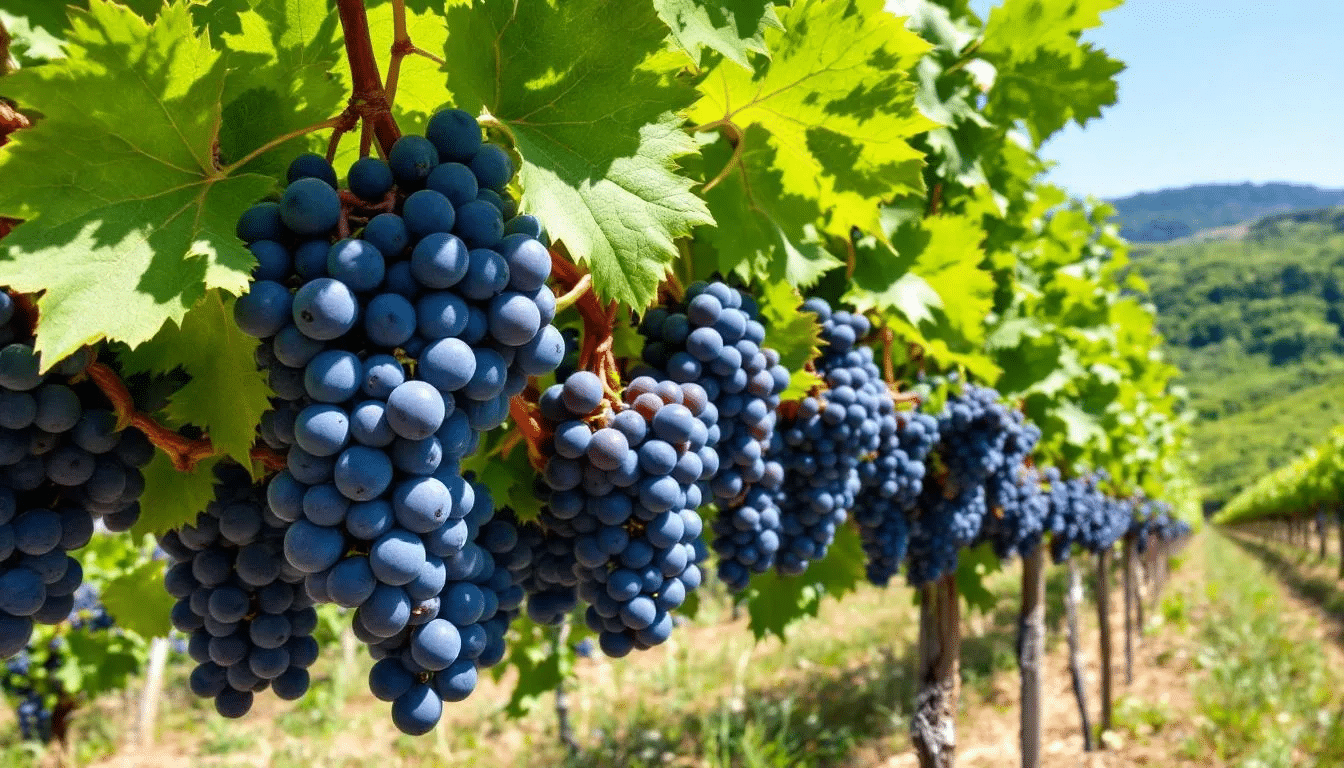
Bonarda is an Italian red grape variety with a complex and somewhat confusing identity. The name “Bonarda” actually refers to several different grape varieties across Italy, the most significant is Bonarda Piemontese (also called Bonarda di Chieri or Bonarda di Gattinara), which originated in the Piedmont region of northwestern Italy.
‘Bonarda grapes’ can refer to several distinct grape varieties depending on the region where they grow. In Argentina, Bonarda grapes are genetically different from those in Italy and France, and the wines produced from them have their own unique characteristics. In Italy, Bonarda often refers to Bonarda Piemontese or Croatina; in France, the grape known as Douce Noir is sometimes called Bonarda. This diversity in naming has led to considerable confusion among wine enthusiasts and producers.
The grape has ancient roots in the hillside vineyards of Piedmont, particularly around the provinces of Asti and Alessandria. Historically, it was often blended with Nebbiolo in wines from Gattinara and other northern Piedmont appellations. DNA profiling has helped clarify that Bonarda Piemontese is distinct from other varieties sometimes called Bonarda, including Croatina (Bonarda in Oltrepò Pavese in Lombardy, where Croatina grapes are used and sometimes labeled as Bonarda) and Uva Rara.
The French variety Douce Noir, is also sometimes referred to as Bonarda, is grown in Savoie. In California, this grape is called Charbono.
Bonarda is sometimes considered an alternative to more well-known red wines like Malbec and Syrah, offering a different flavor profile and structure. Bonarda wines are produced in several countries, including Italy, Argentina, and the United States, each region contributing its own style and interpretation.
Why Is It Unique?
- Moderate tannins with high acidity: Unlike many Italian reds, Bonarda offers a softer tannic structure while maintaining refreshing acidity.
- Aromatic complexity: The grape produces wines with distinctive floral and red fruit aromatics. Wines often do not need oak aging, making them appealing to those who prefer young, fruit-forward wines.
- Versatility: It can be vinified as both a light, fresh style or a more structured, age-worthy wine
- Blending heritage: Traditionally used to soften and add aromatics to more tannic varieties like Nebbiolo, and is considered an important blending grape in Piedmont.
- Early ripening: It ripens earlier than many Piedmont varieties, making it suitable for cooler sites.
Where Bonarda Grows In The World
Italy (Primary Region)
- Piedmont: The heartland of true Bonarda Piemontese, particularly in:
- Northern Piedmont (Novara and Vercelli hills)
- Colli Tortonesi
- Parts of Asti
- Lombardy: Where Croatina is confusingly marketed as “Bonarda” in Oltrepò Pavese
International Plantings
- France: In the Savoie region, called Douce Noire
- Argentina: Home to significant plantings of what’s marketed as “Bonarda,” though this is actually primarily the Corbeau/Douce Noire variety.
- United States: Limited plantings, primarily in California, called Charbono.
- Australia: Minimal experimental plantings
The variety remains relatively rare globally, with total plantings estimated at just a few thousand hectares.
How Winemakers Use Bonarda
Winemakers use it in several ways:
Traditional Blending: Historically, Bonarda was used as a blending component (typically 10-30%) to add:
- Aromatic lift to Nebbiolo-based wines
- Softness and approachability to tannic blends
- Floral complexity to structured reds
Single-Varietal Wines: Modern winemakers increasingly bottle Bonarda as a varietal wine, using techniques such as:
- Shorter maceration periods, often macerated for 7-10 days for lighter, fruitier styles
- Stainless steel
 Stainless steel wine tanks and equipment… More or neutral oak aging to preserve freshness.
- Some producers use extended maceration, sometimes up to 25 days, and oak aging for more structured expressions.
- Certain wines are oaked, which imparts additional complexity and subtle smoky notes.
- Select wines are aged to develop more depth, smoother tannins, and enhanced flavors.

Rosé Production: The grape’s bright acidity and red fruit character make it suitable for rosato-style wines.
The end of the aging period is determined by the desired style and the optimal drinking window for the wine.
Tasting Notes and Wine Specifications
Color: Light to medium ruby red, often with violet or purple reflections in younger wines. Generally lighter in color intensity compared to Nebbiolo or Barbera.
Aroma:
- Primary fruits: Red cherry, raspberry, strawberry, cranberry
- Floral notes: Violet, rose petal, sometimes lavender
- Herbal/spicy: Light pepper, dried herbs, occasionally a subtle earthyEarthy wines are those that evoke aromas… More or forest floor character
- Nuanced aromas: In wines with some oak aging, a subtle cigar boxCigar box in wine is a desirable aromati… More note can appear, adding complexity to the bouquetA wine bouquet refers to the complex arr… More
- Minimal oak influence in most traditional styles


Flavor: Bright red fruit flavors dominate: Tart cherry, red currant, and raspberry. The wine typically shows:
- Fresh, juicy fruit character
- Subtle herbal or spicy undertones
- Light, earthy notes in more structured examples
- Clean, refreshing finish
Structure:
- Tannins: Low to moderate, generally soft and approachable
- Acidity: Medium-high to high (key characteristic)
- Alcohol: Typically 12-13.5% ABVWhat Does A.B.V. Mean in Wine? What does… More
- Body: Light to medium-bodied
- Texture: Smooth and relatively gentle

Aging:
- Most wines are intended for early consumption (1-3 years from vintage)
- Lighter styles are best enjoyed young to preserve freshness
- More structured examples can develop for 3-5 years, gaining complexity
- Rarely benefits from aging beyond 5-7 years
- Aging typically softens already-gentle tannins and develops tertiary notes of dried fruit and earth
Food Pairing: Bonarda’s bright acidity and moderate tannins make it highly food-friendly:
- Italian classics: Pasta with tomato-based sauces, risotto, pizza
- Charcuterie: Salami, prosciutto, coppa
- Poultry: Roasted chicken, duck, turkey
- Pork dishes: Pork chops, sausages, porchetta
- Mild cheeses: Fontina, young pecorinoPecorino is an ancient white grape varie…, mozzarella
- Vegetarian options: Mushroom dishes, eggplant parmigiana, grilled vegetables
- Asian fusion: Light teriyaki dishes, not-too-spicy Thai food

The wine’s versatility makes it excellent for everyday dining.
Food Pairing and Dark Chocolate
Whether you’re drinking Italian Bonarda Piemontese or the Douce Noir-based version from Argentina, this wine has bright fruit flavors and great balance. The wine’s higher acidity and smooth tannins make a refreshing contrast to the chocolate’s thick, creamy texture. Its strong aromas of red cherry, blackberry, and plum match the fruity notes you often find in the best chocolate bars. You might also smell hints of violets, allspice, and graphite, which add lots of complexity that makes the whole tasting experience much better.
Look for Bonarda wines with tasting notes of dark fruit, gentle spice, and just a touch of oak. The soft, silky feel and long finish of these wines help balance dark chocolate’s bitterness, letting the wine and chocolate shine. The slightly sweet, fruity flavors in Bonarda – think ripe strawberries, blueberries, and just a hint of red cherry – blend beautifully with chocolate’s richness, creating a harmonious and unforgettable taste experience.
Bonarda Today
Today, Bonarda occupies a niche position in the wine world. In Piedmont, it’s experiencing a modest revival as producers explore heritage varieties beyond the region’s famous Nebbiolo and Barbera. Small-scale winemakers are crafting both traditional blends and modern single-varietal expressions.
The global wine market is showing growing interest in lesser-known Italian varieties, and Bonarda benefits from this trend. A wider variety of Bonarda products is now on offer to consumers, ranging from classic blends to innovative single-varietal wines. However, confusion persists due to naming inconsistencies—the “Bonarda” sold in Argentina and the Bonarda Piemontese of Italy are different grapes entirely, which can cause confusion among consumers.
Current trends include:
- Natural wine producers are embracing Bonarda for its natural freshness
- Value positioning: It offers excellent quality-to-price ratios, and producers offer Bonarda as a unique product in their portfolios.
- Export growth: Slow but steady international interest
- Preservation efforts: Recognition as part of Piedmont’s viticultural heritage
Should You Try Bonarda?
Absolutely, if you:
- Enjoy lighter-styled Italian reds like DolcettoDolcetto is a red wine grape variety tha… More or Schiava
- Appreciate high-acid, food-friendly wines
- Want to explore beyond mainstream varieties
- Prefer wines with eleganceElegance in alcoholic beverages — whethe… More over power
- Seek affordable, everyday drinking options
- Are interested in preserving wine diversity


You might skip it if you:
- Prefer bold, tannic, full-bodied reds
- Seek wines for long-term cellaring
- Want intense, concentrated fruit flavors
- Looking for well-known, easily available wines
Conclusion
Bonarda Piemontese represents a fascinating chapter in Italian wine history, a grape that once played a supporting role in Piedmont’s greatest wines and now stands on its own merit. While it may never achieve the fame of its regional siblings Nebbiolo or Barbera, it offers something increasingly valuable in today’s wine world: authenticity, food-friendliness, and genuine character at an accessible price point. For wine enthusiasts seeking to deepen their understanding of Italian wine beyond the headlines, Bonarda provides a delicious and educational journey.