
Dry Wine
Dry wine is wine that contains little to no residual sugarResidual sugar (often abbreviated as RS)… More, typically less than…

definition
Dry wine is wine that contains little to no residual sugar, typically less than 4 grams per liter. Even dry wines may have a small amount of residual sugar left over, but it’s usually not perceptible. During fermentation, yeast converted almost all the sugar left in the grape juice, turning it into alcohol. When all the sugar is converted, the wine is considered bone dry. This results in wines that taste crisp, clean, and without noticeable sweetness, allowing other flavors like fruit, earth, and spice to take center stage. The way a wine tastes is influenced by the amount of residual sugar left, acidity, and other factors.
What Grape Varietals are Used to Make Dry Wine?
Almost any grape variety can be made into dry wine, but some are particularly well-suited for this style:
Red Grape Varietals:
- Cabernet Sauvignon – Known for bold tannins and dark fruit flavors
- Pinot Noir
 Pinot Noir is one of the world’s most re… More – Elegant with bright acidity and red fruit notes
 - MerlotMerlot is one of the world’s most widely… More – Smooth with plum and cherry characteristics
- SyrahSyrah is a full-bodied red wine and is o… More/Shiraz – Spicy with dark berry flavors
- SangioveseSangiovese is one of Italy’s most import… More – High acidity with cherry and herb notes
- TempranilloTempranillo is Spain’s main grape and on… More – EarthyEarthy wines are those that evoke aromas… More with red fruit and leather undertones


White Grape Varietals:
- Chardonnay – Versatile, with chardonnays displaying a range of ripe fruit flavors depending on winemaking style, from crisp unoaked versions to rich, oaky styles.
- Sauvignon Blanc – Zesty with citrus and herbaceousHerbaceous characteristics in wine are c… More notes
- Pinot Grigio/Pinot Gris – Light and refreshing with stone fruit flavors
- Riesling – Can be dry with bright acidity and floral notes
- AlbariñoAlbariño: An Exciting Refreshing White W… More – Mineral-driven with citrus and stone fruit
- VermentinoVermentino is a captivating white wine t… More – Crisp with Mediterranean herb influences
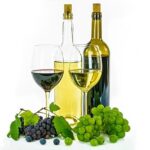


Certain wines, such as those made from Chardonnay or Sauvignon Blanc, are more commonly produced in a dry style.
How is Dry Wine Made: The Role of Residual Sugar
The dry winemaking process focuses on complete or near-complete fermentation:
- Harvest – Grapes are picked at optimal ripeness, balancing sugar and acidity. The initial sugar concentration in the grapes will influence the potential sweetness or dryness of the finished wine.
- Crushing – Grapes are gently crushed to release juice.
- Fermentation – Yeast converts the sugar present in the grape juice into alcohol and carbon dioxide. The winemaker closely monitors the fermentation process and can decide when to stop it to control the residual sugar content and sweetness levels. If fermentation is allowed to continue until all the sugar is fermented, the wine will have less sugar and more alcohol, resulting in a drier style.
- PressingPressing is the process of extracting ju… More – For red wines, skins are separated after fermentation; for whites, pressing often occurs before fermentation.
- Malolactic FermentationMalolactic fermentation (MLF) is a secon… More – Some wines undergo this secondary fermentation to soften acidity.
- ClarificationClarification is the process of removing… More – Wine is filteredFiltered wine has been passed through va… More and fined to remove sediment.
- Aging – Wine may be aged in tanks, barrels, or bottles before release.


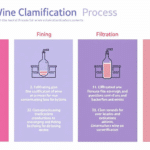

The amount of sugar present in the grapes (sugar concentration) and how long the wine is fermented determine the final residual sugar content and alcohol level. Winemakers may sometimes add sugar (added sugar) to adjust sweetness, but dry wines typically have no added sugar and low residual sugar content.
The key difference in dry wine production is allowing fermentation to proceed until residual sugar levels are minimal.
Wine ranges from bone dry to sweet, depending on the residual sugar content. Wines with high sugar content are classified as sweet, while dry wines have less sugar. Understanding sweetness levels and wine ranges helps consumers choose wines that match their preferences.
Color
Dry wines display the full spectrum of wine colors:
Red Dry Wines:
- Range from light ruby (Pinot Noir) to deep purple-black (Cabernet Sauvignon)
- ColorWhat role do Anthocyanins play in wine? … More intensity often indicates grape variety and winemaking techniques
- Older reds may show brick or garnet hues at the rim

White Dry Wines:
- Span from pale straw (Pinot Grigio) to golden yellow (oaked Chardonnay)
- Skin contact or barrel aging can deepen the colorWine color refers to the visual appearan… More.
- Some whites show green tinges, indicating youthfulness

Rosé Dry Wines:
- Range from pale salmon to deep pink
- Color comes from brief skin contact with red grapes
Aroma
Dry wines showcase complex aromatic profiles without sweetness masking subtle scents:
Primary Aromas (from grapes):
- Fresh fruits, flowers“Flowers in wine” refers to a wine fault… More, herbs, and spices
- Varietal characteristics shine through clearly

Secondary Aromas (from fermentation):
- Yeast-derived scents like bread, nuts, or cream
- Malolactic fermentation can add buttery“Buttery” is one of the most distinctive… More notes

Tertiary Aromas (from aging):
- Oak makes wines develop aromas such as vanilla, toast, and smoke
- Bottle aging: leather, earth, dried fruits, mushrooms
Flavor
Dry wine flavors are typically more complex and food-friendly than sweet wines:
Fruit Flavors:
- Red wines: cherry, blackberry, plum, raspberry
- White wines: apple, pear, citrus, stone fruits, tropical fruits
Some wines may taste sweeter due to the presence of residual sugar, even if they are not officially classified as sweet wines.
Non-Fruit Flavors:
- Herbal and vegetalVegetal character in wine refers to arom… More notes
- Mineral characteristics from soil
- Spice elements from grape skins or oak
- Earthy undertones from terroir

The absence of a sweet taste is a hallmark of dryness in wine, which many people enjoy drinking for its complexity and versatility with food.
Textural Elements:
- Tannins in reds provide structure and astringency
- Acidity creates freshness and balance
- Body ranges from light to full
Structure
The structural components of dry wine create balance and complexity:
Acidity:
- Provides freshness and food compatibility
- Higher in cool-climate wines
- Essential for aging potential
Tannins (primarily in reds):
- Come from grape skins, seeds, and stems
- Oak aging can add additional tannins
- Create texture and aging structure
Body:
- Light-bodied: delicate, less alcohol
- Medium-bodied: balanced weight
- Full-bodied: rich, higher alcohol
Alcohol:
- Typically 11-15% in dry wines
- Contributes to the body and warmth of the wine
- Higher levels in warm-climate wines
- Some dry still wines, especially from cooler climates, may have lower alcohol levels, which can enhance freshness and create a lighter body.
Aging
Dry wines often have excellent aging potential due to their structural components:
Short-term Aging (1-3 years):
- Most white dry wines are best consumed young
- Light reds like Beaujolais
- Preserves fresh fruit flavors
Medium-term Aging (3-10 years):
- Quality Chardonnay and Riesling
- Medium-bodied reds like Chianti
- Develops secondary characteristics
Long-term Aging (10+ years):
- Premium Cabernet Sauvignon, Bordeaux
- Great Burgundy (Pinot Noir and Chardonnay)
- Barolo, Brunello, and other structured reds
- Develops complex tertiary aromas and flavors

Factors Affecting Aging:
- High acidity preserves wine
- Tannins in reds provide structure
- Quality of fruit and winemaking
- Proper storage conditions
Semi-Dry Wines
Semi-dry wines (often called off-dry wines by those in the know!) strike an absolutely delightful balance between dry and sweet that wine lovers find irresistible! These fantastic wines contain a moderate amount of residual sugar—typically between 4 and 12 grams per liter (quite precise measurements that make all the difference!)—which gives them a gentle sweetness without overwhelming even the most discerning palate.
The fermentation process for semi-dry wines is intentionally stopped before all the natural sugars are converted to alcohol (a skillful winemaking technique that requires perfect timing!), leaving just enough sugar to create that soft, approachable taste that makes these wines so popular.
Semi-dry wines can be crafted from a remarkable variety of grape types, with Riesling, Gewurztraminer, and Vidal Blanc being especially popular choices among winemakers worldwide! Many Sauvignon Blancs and Pinot Grigio wines are also available in semi-dry styles (expanding the options for wine enthusiasts!), offering a refreshing combination of fruity flavors and crisp acidity that’s simply magnificent. This style is absolutely perfect for wine drinkers who enjoy a touch of sweetness but still want the refreshing qualities and food-friendliness of dry wines—quite a feat to achieve both characteristics in one bottle!
The sweetness level in semi-dry wines makes them incredibly versatile for pairing with spicy dishes, Asian cuisine, or light desserts (the possibilities are endless!). Their balanced profile appeals to those who find completely dry wines too austere, yet don’t want the sugary sweetness of dessert wines—striking that perfect middle ground that so many wine lovers seek! Whether you’re new to wine or looking to expand your palate, exploring semi-dry and off-dry white wines can be a truly rewarding experience that opens up a whole new world of flavors.
Red wines are perfect for those slow-cooked recipes that make your whole house smell incredible – we’re talking braises and stews that simmer away for hours! Their strong structure and amazing flavor soak right into the dish over time. Classic recipes like beef Bourguignon and coq au vin wouldn’t be the same without dry wine – it’s what creates that signature taste. Here’s a key tip that many home cooks miss: when using dry wine in cooking, you must let the wine reduce to concentrate the flavors.
Dry wine isn’t just for red meat dishes – white dry wines are fantastic in risottos, seafood dishes, and creamy sauces, adding that bright pop of acidity that makes everything taste fresh and balanced. Whether you’re deglazing a pan (which is basically scraping up all those tasty brown bits!), marinating proteins to make them extra tender, or building a sauce from scratch, just a splash of good dry wine can completely elevate your cooking and bring out flavors in your ingredients that you never knew were there!
Benefits of Dry Wines
Dry wines offer a fantastic host of benefits that make them an absolute favorite among wine drinkers seeking a healthier and more versatile option! One of the main advantages is their incredibly low sugar content. Dry wines like Sauvignon Blanc and Pinot Grigio are also significantly lower in calories compared to their sweeter cousins, with most containing just one hundred twenty to one hundred forty calories per serving (that’s less than most sodas!).
The higher acidity found in many dry wines, such as Riesling and Chardonnay, makes them absolutely excellent partners for a wide variety of foods! The acidity works like magic to cut through rich, fatty dishes and refresh the palate (think of it as nature’s palate cleanser!). For those who are particularly sensitive to hangovers, dry wines may be a much better choice, as they generally contain fewer congeners than sweeter wines (those pesky compounds that can make your morning quite unpleasant!).
With so many dry wines available across different grape varieties and regions (from crisp European whites to mineral-driven New World expressions!), wine drinkers can enjoy a wonderfully diverse range of flavors and styles while benefiting from that lower sugar and calorie content. Whether you’re enjoying a crisp Sauvignon Blanc, a zesty Pinot Grigio, or a mineral-driven Riesling, dry wines deliver an absolutely satisfying and completely guilt-free wine experience!
Food Pairing
Dry wines are exceptionally food-friendly due to their lack of sweetness:
Light Dry Whites:
- Shellfish, light fish, salads
- Fresh cheeses, vegetables
- Asian cuisine with delicate flavors
Full-bodied Dry Whites:
- Roasted chicken, pork, creamy pasta
- Aged cheeses, risotto
- Dishes with butter or cream sauces
Light Dry Reds:
- Salmon, tuna, poultry
- Mushroom dishes, light pasta
- Soft cheeses, charcuterie
Full-bodied Dry Reds:
- Red meat, game, lamb
- Aged hard cheeses
- Rich, savorySavory wine refers to wines that exhibit… More dishes with herbs

General Pairing Principles:
- Match wine weight to food weight
- Consider acidity to cut through rich foods
- Tannins pair well with protein and fat
- Regional pairings often work well
Most wines served with food are dry, but many wines—including sparkling wines and red wine—offer excellent pairing options. Sparkling wine, such as Brut Champagne, is a classic pairing for appetizers and seafood. Sweet wine and dessert wine are best with desserts or spicy dishes, while white Zinfandel is often enjoyed with lighter fare due to its sweetness. Dry Rieslings and German Rieslings are especially versatile for pairing with a wide range of foods, and sweet Riesling can be paired with spicy or rich dishes.
Should You Try Dry Wine?Here’s why dry wine is worth exploring:
Versatility:
- Pairs with a wider range of foods
- Suitable for any occasion
- Won’t clash with savory dishes
- Many wines fall within the dry category, ranging from bone dry to sweet, offering something for every palate.
Complexity:
- Allows you to taste the true character of grapes
- Showcases terroir and winemaking skill
- Offers more nuanced flavor experiences
Health Considerations:
- Lower in calories than sweet wines
- No added sugars
- Moderate consumption may offer health benefits
Value:
- Often represents better value than sweet wines
- Wide range of price points available
- Many excellent options under $20
Personal Development:
- Develops your palate
- Teaches you about wine regions and varieties
- Opens doors to wine appreciation
Conclusion
Dry wine represents the pinnacle of winemaking artistry, where the natural flavors of grapes and the influence of terroir shine without the masking effect of residual sugar. The characteristic dryness and appeal of dry wine come from its low residual sugar content, which is a key factor distinguishing it from sweeter varieties and is highly valued by many wine drinkers. From crisp Sauvignon Blanc to powerful Cabernet Sauvignon, dry wines offer an incredible range of flavors, aromas, and experiences.
Whether you’re new to wine or a seasoned enthusiast, exploring dry wines opens up a world of food pairing possibilities and allows you to appreciate winemaking. The structural elements of acidity, tannins, and alcohol create wines that not only taste great on their own but also enhance the dining experience.
Start with lighter, more approachable dry wines like Pinot Grigio or Beaujolais, then gradually explore more complex varieties as your palate develops. Remember that personal preference is key – what matters most is finding dry wines that you enjoy and that complement your lifestyle and food preferences.