
Enologist
An enologist (also spelled oenologist) is a wine scientist — a trained professional who specializes in the science of winemaking….

definition
An enologist (also spelled oenologist) is a wine scientist — a trained professional who specializes in the science of winemaking. Enologists focus on the technical, chemical, and biological processes that turn grapes into wine, working closely with winemakers and vineyard managers, and use lab trials and analysis to ensure quality, consistency, and innovation in wine production.
In simple terms:
Enologist = Wine Scientist
Winemaker = Wine Artist
They often overlap, but enologists are more focused on the science, whereas winemakers are often more focused on style and craft.
1. Definition
An enologist is a specialist in enology (or oenology), which is the study of wines and winemaking, particularly the chemical and microbiological processes involved in fermentation and aging.
2. Roles and Responsibilities
First thing in the morning, especially during busy periods like harvest or pre-bottling, an enologist will often check on the status of ongoing fermentations and review any urgent tasks for the day.
Enologists work at wineries, research institutions, and wine laboratories. Their responsibilities include:
- Overseeing the handling and monitoring of fruit (grapes) during harvest to ensure quality and proper integration into the winemaking process.
- Determining the optimal timing and procedure for harvesting grapes to achieve the best possible result.
- Conducting lab work, which can vary depending on winery size—larger wineries may have dedicated lab staff and facilities, smaller operations might perform basic tests themselves or outsource to external labs.
- Managing fermentation processes and monitoring wine development.
- Ensuring quality control and compliance with regulations.
- Collaborating with vineyard managers and cellar staff.
The enologist’s schedule and responsibilities can vary each week depending on the season and production demands. Tasks can change significantly from week to week and month to month, reflecting the dynamic and flexible nature of the job, especially during harvest and other critical periods.
A. In the Winery
- Overseeing fermentation and monitoring yeast
 Wine yeast is a microorganism essential … More activity
 - Testing sugar, acidity, alcohol, and tannin
- Managing oak aging, stabilization, and blending
- Detecting and preventing wine faults (e.g., oxidationWhat is the best way to aerate red wine … More, BrettanomycesBrettanomyces (commonly called “Brett”) … More, cork taint)

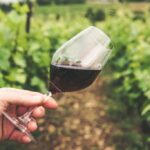


B. In the Vineyard
- Collaborating with viticulturists to determine the optimal harvest time
- Testing grape ripeness, pH, and flavor compounds
- Advising on canopy management and grape quality
C. Research & Innovation
- Developing new fermentation techniques
- Studying the impact of terroir, climate, and yeast strains
- Innovating methods for low-alcohol, natural, or sustainable wines
3. Difference Between an Enologist and a Sommelier
| Aspect | Enologist 🧪 | Sommelier 🍷 |
|---|---|---|
| Focus | Science of making wine | Service and selection of wine |
| Workplace | Wineries, labs, vineyards | Restaurants, wine bars, hotels |
| Skills | Chemistry, microbiology, viticulture | Tasting, food pairing, customer experience |
| Goal | Improve wine quality and consistency | Enhance dining and tasting experiences |
4. Education & Training
Most enologists hold degrees in:
- Enology / Oenology
- Viticulture
- Food Science
- Microbiology or Chemistry
A bachelor’s degree is often the foundational credential for enologists, combining academic coursework with practical experience, sometimes paired with hands-on training at a winery or through specialized programs.
Top schools for enology include:
- University of Bordeaux
- UC Davis (California, USA)
- University of Adelaide (Australia)
- Geisenheim University (Germany)
Many enologists pursue a master’s degree in enology, chemistry, food science, or viticulture to gain advanced knowledge and expertise in the field.
Taking specialized courses—such as enology courses, wine certification programs (like WSET), or summer courses—can help build industry knowledge, regional expertise, and professional development.
School-based programs, whether at vocational colleges or university programs, provide essential hands-on training and practical experience for aspiring enologists.
Universities are key institutions for research and partnerships in viticulture and enology, supporting scientific advancements and industry collaboration.
Helpful resources and training programs are important for enologists to gain the necessary skills and stay updated with industry trends.
5. Wine Tasting and Sensory Evaluation
Wine tasting and sensory evaluation are at the very heart of the winemaking process! They allow enologists (wine scientists) to make sure that every single wine produced meets the highest standards of quality and taste. Enologists are totally fascinated by the tiny details that make each wine special, using their knowledge of chemistry and biology to figure out how sugar levels, acid content, wine temperature, and other factors shape the final product.
On any given day, enologists evaluate wines by carefully looking at, smelling, and tasting them. This process is essential for spotting what’s working well and what needs tweaking in the wine production process. By checking samples from different stages of production, enologists can fix problems, like when acid levels get out of whack or something unexpected happens during fermentation. Their ability to read these sensory clues comes from a solid background in winemaking knowledge, often gained through degree programs in enology, viticulture, or related fields like chemistry and biology.
The work environment for enologists is pretty dynamic, moving from the cellar to the laboratory! In the lab, enologists use special equipment to run all sorts of tests and trials, checking everything from grape juice to the finished wine. They might also watch over bottling operations, making sure each bottle shows off the intended style and quality. Whether working in a small family-run winery or a huge facility, enologists are responsible for keeping the quality of the wines they produce at the top level.
Enologists play a vital role in wine regions all around the world, from the famous vineyards of La Rioja to the cutting-edge wineries of Australia! Their expertise not only helps produce amazing wines but also adds to the joy of wine lovers everywhere. With ongoing training and the use of advanced technology and analysis, many enologists are extremely interested in refining the winemaking process, making it possible to produce wines that are both satisfying to create and delightful to drink. For those who are passionate about wine, a career in enology offers the chance to be involved in every step of making wine, from grape growing to the final sensory evaluation of the finished bottle (now that’s living the dream!).
5. Why Enologists Are Important
Enologists are highly trained wine enthusiasts who play a crucial role in the wine industry, which is a significant economic driver and professional community worldwide. Their expertise ensures that every bottle wine produced :
- Tastes care onsistent year after year through extensive lab work and by solving problems that may arise during the production process.
- Reflects the intended style and terroir
- Meets safety and quality standards
- Adapts to climate change and new consumer demands (e.g., low-alcohol, vegan wines)
As part of their job, enologists oversee fermentation, monitor wine development, and collaborate with vineyard and cellar teams on a day-to-day basis, making it a fulfilling professional role.
There are a variety of jobs available in the wine industry, and the demand for skilled enologists continues to grow as the sector expands.
Completing education to become an enologist allows individuals to find work in a career that matches their passion for wine and science.
Wine job opportunities range from entry-level positions, such as harvest workers, to advanced professional roles like head enologist.
Enologist roles and job opportunities can vary depending on the country, with regional differences in industry trends, salary, and employment prospects.
6. Famous Examples
- Émile Peynaud → Pioneer of modern enology, revolutionized BordeauxBordeaux is one of France’s most famous … More winemaking
- Michel Rolland → Globally renowned enologist and consultant to top wineries
- Denis Dubourdieu → Respected enologist known for aromatic white wine research

Summary
An enologist is a wine scientist who studies and has a job where they are responsible to manage the science of winemaking — from grape chemistry to fermentation and aging. While winemakers focus on crafting style, enologists ensure precision, consistency, and quality.