
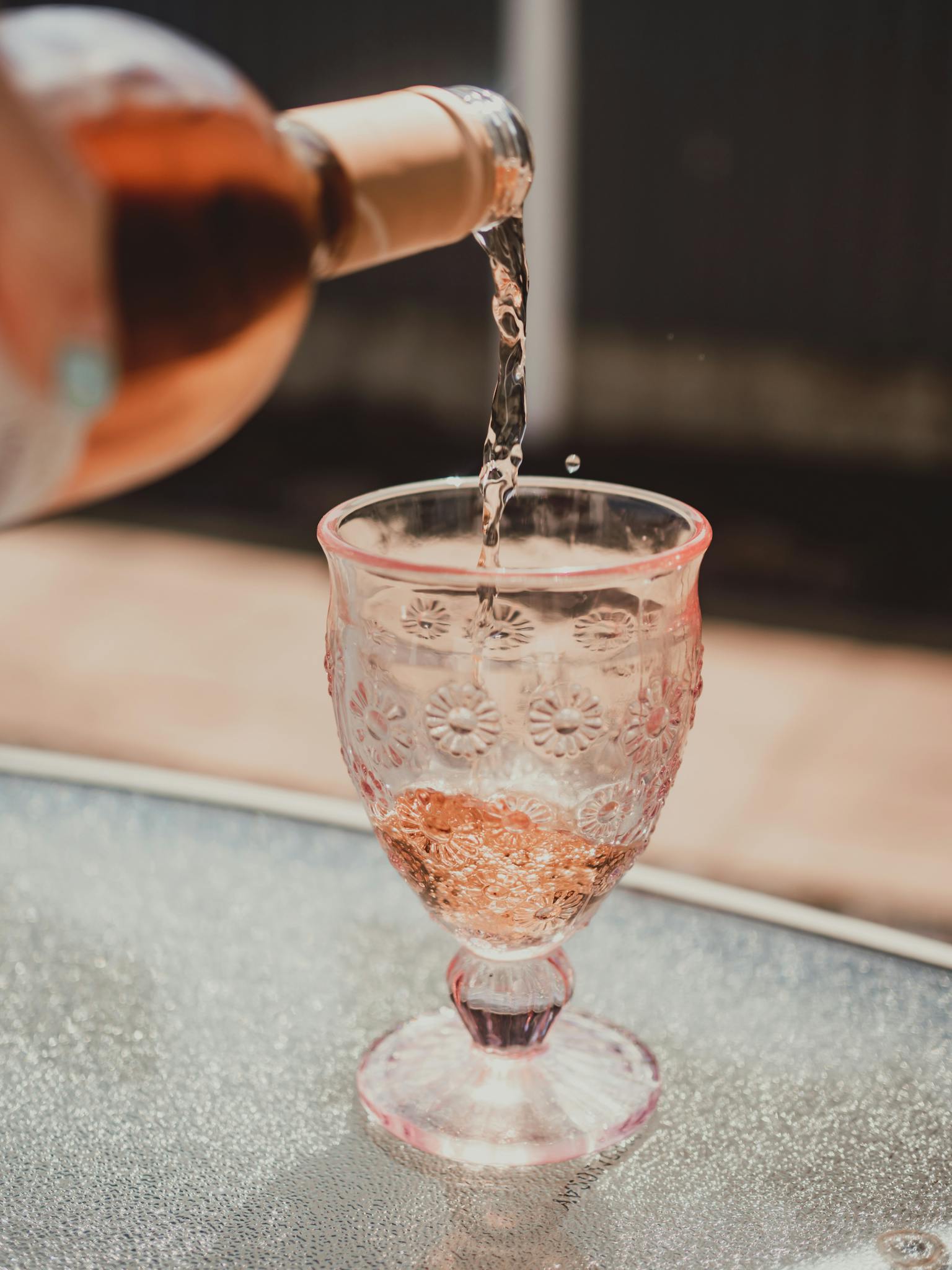
Quality Testing Standards for Non-Alcoholic Wine

Non-alcoholic wine is booming. As more people explore alcohol-free options, questions about non-alcoholic wine quality control are on everyone’s mind. Quality Testing Standards for Non-Alcoholic Wine explores what defines a good non-alcoholic wine and what producers do to maintain the key elements of wine quality.
Choosing a non-alcoholic wine can be daunting. The growing number of options and celebrity endorsements make navigating quality tricky. How can you distinguish an alcohol free premium wine from bad alcohol-free wines?
From Grape to Glass: Understanding Non-Alcoholic Wine Production
Non-alcoholic wines start production like traditional winemaking. Grapes are harvested, crushed, and fermented, creating a base wine. The winemaker will then commence the wine dealcoholization process to remove alcohol through a gentle process like vacuum distillation or reverse osmosis.
Vacuum distillation heats the wine, evaporating the alcohol while preserving flavors and aromas in the dealcoholized wine. Reverse osmosis separates alcohol by passing wine through a special membrane. Acidity, amplified during dealcoholization, plays a vital role, making grape selection for acid levels crucial to a quality product.
Standards for Non-Alcoholic Wine Quality Control: Key Factors
Quality standards for non-alcoholic wine begin with the grape. Factors like grape selection, ripeness, and health significantly impact the finished wine, and when the process is carried out correctly, can create great alcohol free wines that are comparable to alcoholic beverages.
The dealcoholization process concentrates the wine’s natural acidity and flavor. Winemaking practices, along with minimal intervention, influence how well a wine deals with alcohol and contribute to overall wine market success.
Quality standards for non-alcoholic wine include consistent testing, including sensory evaluations (taste and smell) and lab analysis, which is essential. This ensures stability, acidity, and the absence of unwanted compounds. Testing also checks a non-alcoholic wine’s heat and cold stability, which influences packaging choices, such as whether to use bottles or cans. The use of these different elements ensures that standards for non-alcoholic wine quality control are maintained.
Testing copper content before canning a non-alcoholic product helps ensure the standards for non-alcoholic wine quality. This prevents total acidity and other problems.
Cleanliness is Key
Without alcohol’s natural protection, non-alcoholic wine is more susceptible to spoilage. Strict sanitation must What is Must Creating must is the first ... More be adhered to throughout the production process, especially during filtration, which is crucial. Two-stage filtration uses depth and membrane filters and removes unwanted yeast
 Wine yeast is a microorganism essential ... More and bacteria. This avoids off-flavors from excessive sulfides. Good flavor, aroma, and total acidity levels ensure a quality product starts at the winery with strict adherence to non alcoholic wine quality control rules. This attention extends from the base wine until it is deemed as being a finished wine ready for distribution. Wine alcohol content is strictly controlled and is a quality parameter used to confirm non-alcoholic wine.
| Quality Control Step | Why It Matters |
|---|---|
| Grape Selection | Ripe, healthy grapes make premium non-alcoholic wines. |
| Dealcoholization Method | Gentle dealcoholization preserves wine character. |
| Filtration | Ensures microbiological stability, reducing spoilage from undesirable yeast or bacteria. |
| Sensory and Lab Testing | Monitors quality parameters and identifies potential issues. Acid removal from some non-alcoholic versions can ensure the finished wine does not end up being too sour. |
Navigating the Non-Alcoholic Wine Aisle
Non-alcoholic wine is more complex than it seems. Understanding quality control helps consumers make informed choices. Look for non-alcoholic versions of red wines you may enjoy, as there are a growing number of excellent choices in the wine industry.
For example, Edenvale Sparkling Shiraz gained recognition in 2023. Described as surprisingly tasty, it drew comparisons to the sweet Italian sparkling red wine (Lambrusco Lambrusco is a distinctive, often sparkl... More). Reviewers noted dark fruit and peppery flavors, with bubbles enhancing the texture.
The Rise of Non-Alcoholic Wine
The demand for non-alcoholic beverages, including non-alcoholic wines, is surging globally, particularly in Europe and North America. This expanding wine market shows no signs of slowing. Global estimates predict significant growth in the non-alcoholic sector over the next few years.
This booming demand pushes wineries to prioritize quality product development and implement stringent standards for non-alcoholic wine quality control to assure consumers that the wines they choose are good and also safe to drink. Creating great non-alcoholic wine doesn’t simply start with choosing great red wine and removing alcohol from it. Rather, producing a quality product takes understanding wine’s natural components and creating robust non-alcoholic products suitable for a discerning wine consumer.
FAQs About Quality Testing Standards for Non- Alcoholic Wine
What are the disadvantages of non-alcoholic wine?
Some consumers find that non-alcoholic wine lacks the complexity of traditional wine. Replicating traditional wine flavor profiles through careful non-alcoholic wine production is crucial for a premium non-alcoholic experience.
Is Alcohol-Free Wine Okay For Your Liver?
While often a healthier alternative, moderation remains important even when drinking non-alcoholic wines. Consult a healthcare professional for advice specific to individual health conditions. Secondary fermentation must have been carried out and fermented cleanly during the wine production process.
What can I add to non-alcoholic wine to enhance the taste?
Enhance non-alcoholic wine by simply adding sparkling water, fruit juice, frozen grapes for slushies, or fresh herbs. Explore non-alcoholic mixers for mocktails, or add fruit slices and syrups. Quality production of premium non-alcoholic wine strives for a good flavor base. These additions further personalize it.
Is non-alcoholic wine still good for you?
Research nutritional information directly from producers. Grape-derived polyphenols remain even with the alcohol removed. Specific polyphenol amounts, tannin
Non-alcoholic wine often has fewer calories. Extended maceration impacts color What role do Anthocyanins play in wine? ... More content in red wines and can provide additional complexity to grape juice during its creation and before wine dealcoholization.
Conclusion
Non-alcoholic wine offers more than just an alcohol-free alternative. It focuses on flavor and high-quality production standards. Thanks to improved quality control and sophistication, everyone, including wine connoisseurs, can now find delightful, full-bodied non-alcoholic wine.
As market popularity and demand increase, expect the emergence of more premium brands. These brands will prioritize grape selection, careful processing, and quality assurance to achieve a taste that more closely mimics the key elements of the original wine. Quality non-alcoholic wines showcase satisfying aromas and refreshing flavors for those seeking a premium non-alcoholic beverage.


