

My Top Picks for Texas High Plains AVA Wineries

The Texas High Plains AVA is one of the state's best-kept secrets in wine production. While many wine enthusiasts flock to the Texas Hill Country, it's the Texas High Plains AVA region that produces about 80% of Texas grapes. This "Grape Route of Texas" offers exceptional growing conditions that create distinctive and high-quality wines.
In this article, you'll discover:
- How the unique climate and elevation (3,000-4,000 feet) create perfect grape-growing conditions
- The diverse soil types that contribute to the region's exceptional terroir
- Popular grape varieties thriving in this region, from Bordeaux

- Notable Texas High Plains AVA
- The economic impact of this growing wine region

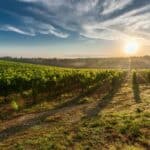
The Texas High Plains AVA stretches from Tahoka to the New Mexico border, covering roughly 5,000 acres of vineyards. With less than 20 inches of rain annually, vineyards rely on the Ogallala Aquifer for irrigation, helping grapes develop complex flavors in the iron-rich sandy loam soils.
Ready to explore what makes this wine region special? Let's dive into the world of Texas High Plains AVA wineries and wines and discover why this area deserves more attention from wine lovers everywhere.
Table of Contents
Exploring the Texas High Plains AVA
Overview of the Texas Wine Industry
Texas is making waves in the wine world. We’ve got over 1,300 types of soil spread across different spots, each bringing out its unique vibes in our wines. The historical significance and academic research surrounding grape production in Texas highlight how various soil types contribute to the success of viticulture in the region. We’re churning out around 10,000 tasty wines yearly with all kinds of grapes – 80 varieties! Grape growers play a crucial role in the Texas wine industry, collaborating with winemakers to produce high-quality wines and adapting to local environmental challenges. Most wineries here are cozy, mom-and-pop-type places that prefer a personal touch, selling their special blends directly at tasting rooms and local eateries. The nitty-gritty details? Our wine business is pumping $20.35 billion into the economy, supporting over 100,000 jobs, and adding a hefty $1 billion to local tax coffers (Texas A&M Today).
Significance of the Texas High Plains AVA
The Texas High Plains AVA is like the hidden gem of our wine country, cranking out about 80% of the state’s grapes. While folks often flock to the Texas Hill Country for a sip, the High Plains are the unsung heroes thanks to their primo growing conditions. This region, affectionately dubbed the “Grape Route of Texas,” stretches from Tahoka to the New Mexico line, passing through Brownfield and Plains. We’re talking elevations of 3,000-4,000 feet, drawing essential irrigation from the Ogallala Aquifer to keep those grapevines happy (Texas Wine Lover). The Caprock Escarpment is a significant topographical feature marking the boundary between the Texas High Plains and the lower plains to the east.
In the Texas High Plains, grape diversity is a thing. Growers nurture all sorts of gems, from classics like Cabernet Sauvignon
 Merlot is one of the world's most widely... More to Mediterranean flavors like Syrah
 Syrah is a full-bodied red wine and is o... More and Tempranillo
 Tempranillo is Spain's main grape and on... More. Each grape type dances in the area's unique sandy loam soils and climate, essential for viticulture. These soils encourage deep rooting of grapevines in search of nutrients and contribute to the unique terroir, resulting in wines with complex flavors (Texas Wine Lover). The eastern border of the Texas High Plains, marked by the Caprock Escarpment, plays a crucial role in the region's topography and viticulture.
Curious to know more about what makes the Texas High Plains tick? Peek at our write-ups on their climate here and their special Earth here. For those intrigued by the art of grape-growing in this neck of the woods, check out our viticulture section here.
Grape Varieties in Texas High Plains
Diving into the Texas High Plains AVA gives you a taste of the unique grape goodness in this area. The region’s ripe conditions make it a hotspot for many grape varieties, including Pinot Gris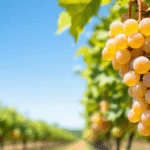 Pinot Gris has a fascinating history tha... More, Cabernet Franc
 Cabernet Franc is a red wine grape varie... More, and Chenin Blanc
 Chenin Blanc's story begins in the Loire... More, each bringing their swag to the table.
Bordeaux Varieties
If you’re all about Bordeaux Bordeaux is one of France's most famous ... More, the Texas High Plains AVA, known for its diverse wine grapes grown, has got you covered. The climate and ground here give these varieties the thumbs-up they need to show off their best sides. Let’s break them down:
| Grape Variety | What’s the Deal? |
|---|---|
| Cabernet Sauvignon | Loves heights over 3,000 feet and gives you wines that are the bee’s knees with rich Rich wine refers to wines that deliver a... More flavors meant to stand the test of time. (Texas Wines) |
| Merlot | Soft, fruity, and ready to mingle. Merlot’s the social grape that loves to mix but shines solo too. |
| Petit Verdot | This little number packs a punch with color What role do Anthocyanins play in wine? ... More and backbone when mixed with others. |
Sauvignon Blanc Pronunciation: SO-vee-nyohn BLAHN (Frenc... More | Light, zesty, and downright refreshing. Citrus vibes make it a go-to white. |
These Bordeaux big-hitters aren’t just riding the classic wave; they’re showing how adaptable they can be in the Texas scene. The variety of grapes grown in this region, influenced by unique terroirs and climates, significantly contributes to the quality of the wines produced.
Mediterranean Grape Varieties
Swinging over to the Mediterranean squad, the Texas High Plains AVA doesn’t skip a beat. Here’s how they roll: The region also supports the growth of white grapes such as Viognier Viognier (pronounced vee-own-YAY) is an ... More and Albariño
 Albariño: An Exciting Refreshing White W... More.
| Grape Variety | What’s Popping? |
|---|---|
| Grenache | Hits all the berry notes and works it in reds and rosés with a little warmth for good measure. |
Carignan Carignan is a red wine grape variety tha... More | Adds that earthy Earthy wines are those that evoke aromas... More kick with some acidity to amp up blends. |
| Syrah | Bold and spicy, Syrah’s got the goods to stand out with a rich taste. |
Sangiovese Sangiovese is one of Italy's most import... More | Cherry bomb alert! Bright acidity makes it a wild card that’s hard to pass up. |
| Tempranillo | Dark and fruity, it’s gaining more fans in the Texas wine circle. |
With all these grape personalities, Texas High Plains AVA produces a whole rainbow of wines that cater to every taste bud. To get a deeper scoop on what makes this region’s grapes tick, check out our article on Texas High Plains AVA terroir. Getting to know the grape gangs here, along with climate vibes (Texas High Plains AVA climate) and how they’re grown (Texas High Plains AVA viticulture, will make you look at Texas High Plains wineries with a whole new level of appreciation. The cultivation of Orange Muscat, among other diverse grape varieties, further showcases the region's capability to produce high-quality wines.
Vineyard Vibes
Getting to Know Texas High Plains AVA
Let’s chat about the Texas High Plains AVA, where the art of grape growing turns into wine magic! Sitting pretty at 3,000 to 4,000 feet high, this region’s extremely dry climate, with less than 20 inches of rain annually, necessitates effective irrigation for vineyards. The perfectly balanced warmth of day and the cool of night do wonders for grape ripening. Think wide, open stretches of vineyards—a flat paradise sprawling over roughly 5,000 acres. These conditions are the secret sauce for pumping out some serious Bordeaux or Mediterranean-like grape goodness. The high elevation allows for warm days and cool nights, enhancing the flavors, colors, and tannins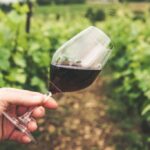
| Feature | Description |
|---|---|
| Elevation | 3,000 - 4,000 feet |
| Area | About 5,000 acres of vineyards |
| Terrain | Mostly flat |
| Climate | Dry, with less than 20 inches of rain |
With Texas cranking up the sun dial and keeping moisture to a minimum, the grapes in the High Plains get a healthy dose of sunlight. So you bet those grapes soak up the golden rays, creating flavors that shout “drink me!” You can almost taste the sunshine in every sip (Source).
How Water Works and What the Dirt's Made Of
Let’s spill the beans on how these vineyards quench their thirst. With rain not being much of a player, irrigation’s the name of the game, with the Ogallala Aquifer being the hero in this parched play. Then there’s the soil, a sandy loam mix jam-packed with iron, letting the water slip right through, making the vines happy and hydrated. The unique terroir of the Texas High Plains, with its high elevation and favorable climate conditions, plays a crucial role in wine production, contributing to the exceptional quality of the grapes grown in the region.
| Soil Type | Characteristics |
|---|---|
| Sandy Loam | Iron-rich with tops drainage |
| Irrigation | Straight from the Ogallala Aquifer |
Farmers swapping cotton for grapes will tell you: the scene is changing. Grapes snuggle into these conditions just right, and with more tech in play, you’re looking at a well-oiled vine machine (Source).
With the combo of high spots, sunshine galore, and just-right dirt, the Texas High Plains AVA has become a spot not to miss for wine fans. The unique terroir contributes to the quality and diversity of wines produced in the Texas High Plains AVA. If you’re down for a wine adventure, swing by some local vineyards in Texas High Plains and get ready to experience to taste some of the best wine around.
Wineries in Texas High Plains
Taking a tour around the many wineries located in the Texas High Plains is just plain fun for any wine lover out there. This little corner of Texas is quickly making a name for itself in the wine world, dishing out some incredible vino to suit just about every taste. The unique geographical and climatic characteristics of the Texas High Plains contribute to the high concentration of wineries in the region, making it a significant AVA.
Major Wineries in the Region
You don’t want to miss Llano Estacado Winery, English-Newsom Cellars, McPherson Cellars, and Burklee Hill Vineyards. Notable single vineyards in the region also contribute to the unique wine offerings. These places offer up wines that are not just tasty, but each one also gives a different twist to your wine-drinking adventure.
| Winery | Where It’s At | Wine Goodies |
|---|---|---|
| Llano Estacado Winery | Southeast of Lubbock | Bordeaux blends and Tempranillo |
| English-Newsom Cellars | Southeast of Lubbock | Mediterranean varieties |
| McPherson Cellars | Lubbock | Rich reds and whites |
| Burklee Hill Vineyards | Lubbock | Small-batch production |
| Farmhouse Vineyards | Brownfield | Unique varietals and estate wines |
With nearly 5,000 acres covered in vineyards, this region is a big player in Texas wine, backing it all up with sheer volume and quality (Texas Wine Lover). Reddy Vineyards, a notable player in the Texas High Plains AVA, stands out for its unique terroir and commitment to producing high-quality wines exclusively from estate-grown grapes.
Unique Features of Texas High Plains Wineries
What makes the Texas High Plains wineries stand out? It’s not just about the pretty views; it’s about the fantastic wine these places put out. The Texas Wine & Grape Growers Association plays a crucial role in promoting the region. Thanks to the sandy loam and high-up vineyards, the conditions are just right for getting the grapes nice and ripe with that perfect balance of warm days and cool nights (Texas Wine Lover).
Wineries like Bingham Family Vineyards are super proud of their 100% Texas-grown estate wines. This homegrown goodness is what makes their wines stand out, drawing in both the locals and folks just passing through (Texas Hill Country Wineries).
Visitors to the area will splash into a wonderful world of flavors from all the different grapes that just love the Texas High Plains. The Texas High Plains AVA terroir gives a real flavor deep dive, tying all those sips together with the story of the land.
For folks interested in what makes these vines tick, I’d suggest a peek at our write-ups on Texas High Plains AVA climate and Texas High Plains AVA viticulture. A trip to these wineries isn’t just about sipping and swirling; it’s a firsthand look at how farmers have switched from cotton to grapes, turning fields into vineyards and transforming the area in a delicious metamorphosis. Terry County's unique climate and soil types significantly contribute to the quality of vineyards in the area.
Climate and Viticulture
Climate Conditions in the AVA
Ever wondered what goes on in the Texas High Plains AVA? Picture a place way up high, around 3,000-4,000 feet, where summers sizzle and nights cool way down—an ideal playground for grapes! This region gets less than 20 inches of rain each year, making it extremely dry. That’s not much, so most vineyards sip from the Ogallala Aquifer to thrive.
| Climate Aspect | Description |
|---|---|
| Annual Precipitation | Less than 20 inches |
| Temperature Variation | Big temp swings between day and night |
| Irrigation Source | Mostly from Ogallala Aquifer |
| Soil Types | Sandy loam, rich in iron |
The hot days and cool nights of this dry environment mimic Mediterranean climates, making it perfect for grape varieties from places like France, Spain, and Italy. This top-notch climate needs good irrigation practice, impacting how vineyards are run and how much fruit they produce. The high elevation allows for warm days and cool nights, enhancing the flavors, colors, and tannins of the grapes due to more intense sunlight and optimal temperature variations.
Impact on Grape Cultivation
In the Texas High Plains AVA, the unique terroir, characterized by high elevation, sandy loam soils, and favorable climate conditions, significantly impacts wine production, allowing vineyards to grow all sorts of grapes. You've got your classic Bordeaux types like Cabernet Sauvignon, Merlot, and Sauvignon Blanc. But don’t forget the Mediterranean stars like Grenache, Carignan, and Tempranillo, too. Having a range of sunny favorites adds depth to the region’s wine offerings.
Here’s what you typically find in these vineyards:
| Grape Variety | Type |
|---|---|
| Cabernet Sauvignon | Bordeaux |
| Merlot | Bordeaux |
| Petit Verdot | Bordeaux |
| Sauvignon Blanc | Bordeaux |
| Grenache | Mediterranean |
| Carignan | Mediterranean |
| Tempranillo | Mediterranean |
The region’s sandy loam soil and elevation are perfect for the grapes. The soil eases the work of mechanical vineyard tools, a big win where extra hands might be scarce. For those itching to geek out on soil and grape care, check out our deep dives on Texas High Plains AVA terroir and Texas High Plains AVA viticulture.
Thanks to this killer climate, the Texas High Plains AVA is on the map for wine lovers and folks after a good swig of local culture. The unique terroir contributes to the quality and diversity of wines produced in the Texas High Plains AVA. For your next wine getaway, explore the gems at Texas High Plains AVA wineries and taste the magic for yourself.
Economic Impact and Future
Texas High Plains AVA's Economic Influence
You might not give it much thought, but the Texas High Plains AVA punches above its weight in the Texas wine scene and beyond. The resilience and innovation of Texas winemakers in the Lone Star State have played a crucial role in this success. The state’s got more than 1,300 types of soil, creating a playground that gives wines from this region their distinct character. Right now, you’re looking at a wine industry that’s raking in an eye-popping $20.35 billion for the economy. It’s putting food on the table for over 100,000 folks, and local governments are seeing a nice chunk of change—about $1 billion—in taxes, says Texas A&M Today.
From just 40 vineyards back in 2000 to a whopping 806 winery permits now, the Texas High Plains AVA has become a big deal, only behind California when it comes to pumping out wine and grapes, according to Texas A&M Today. And with vineyards popping up like daisies, this industry isn’t just growing—it’s skyrocketing. It’s not just about the local dollar, either. Wine fans are flocking here, eager to taste what Texas High Plains AVA wineries have to offer. Texas Tech University has played a significant role in the development of grape growing and winemaking in the Texas High Plains AVA, with professors like Dr. W.W. Yocum and his colleagues initiating essential research and experimental plots.
| Economic Contribution | Value |
|---|---|
| Economic Impact | $20.35 billion |
| Jobs Supported | 100,000 |
| Local Taxes Generated | $1 billion |
| Active Winery Permits | 806 |
Future Developments in the Region
Looking to the future, the Texas High Plains AVA is like a sippin’ glass that just keeps filling up. There’s a growing interest in sprucing up how we grow grapes and make wine. Federal regulations play a crucial role in defining the boundaries and standards of the Texas High Plains AVA. With 13 smarty-pants specialists throwing their hats into the ring at Texas A&M AgriLife Extension Service, we’re seeing some cool new ways of managing vineyards and making wine, as detailed by Texas A&M Today.
Plus, folks are digging into ideas like the economic upsides of making verjus right here in Texas—giving a new twist to what vineyards offer and maybe even adding another notch to the region’s economic belt, according to MDPI.
Conclusion
As local wineries gain more spotlight, I’m betting we’ll see more wine-loving tourists poking around, searching for a taste of the Texas Hill County’s best drinks. Maintaining the terroir’s magic brew of unique soil and climate, the Texas High Plains AVA terroir won’t just beef up its rep—it’ll also boost the local cash flow. As word gets around, expect the wine trails to be buzzing with eager footsteps and rooms filled with clinking glasses and chatter about future industry innovations. The Texas Agricultural Experiment Station in Lubbock has significantly contributed to the region's viticulture research and development, further enhancing its reputation.


