
Catarratto
Catarratto is a white wine grape variety that produces crispCrisp wines come from several key grape … More, refreshing wines…
definition
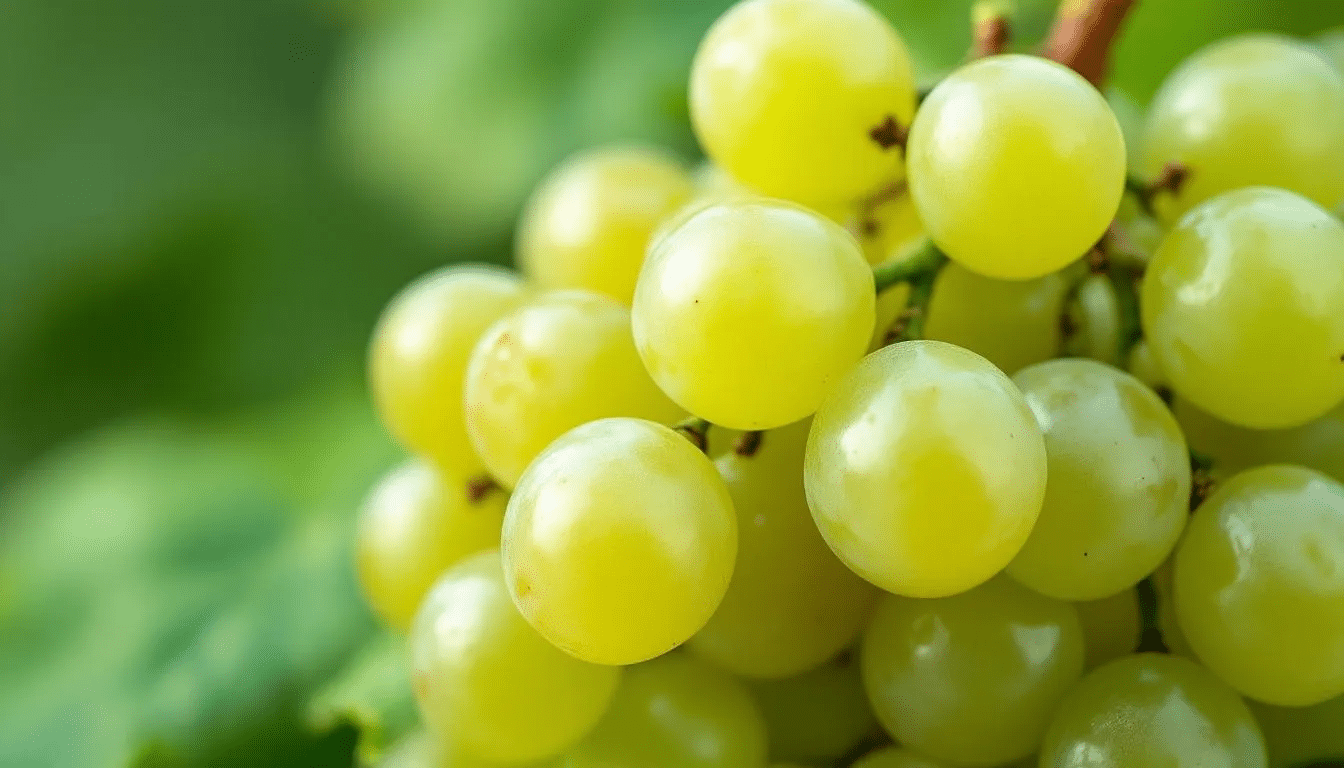
Catarratto is a white wine grape variety that produces crisp, refreshing wines with bright acidity and delicate flavors. It’s primarily used to make still white wines, though it also serves as a base for sparkling wines and is sometimes blended with other varieties. Catarratto wines range from light and easy-drinking to more complex, structured expressions, depending on the winemaking techniques that are used
Origins of Catarratto
Catarratto is an ancient grape variety native to Sicily in Italy, with historical records suggesting it has been cultivated on the island for over a thousand years. The Catarratto grape is believed to have originated in the hills of western Sicily, where it adapted perfectly to the Mediterranean climate. Its name likely derives from the Italian word “catarratto” (cataract), possibly referring to the cascading clusters of grapes or the clarity of the wine it produces.
DNA testing has revealed that Catarratto Bianco Comune and Catarratto Bianco Lucido are not separate varieties, but are genetically identical clones. These clones differ in appearance and usage, such as yield and processing characteristics, but share the same genetic makeup.
What Makes the Catarratto Grape Unique
Several factors make Catarratto distinctive among white wine grapes:
- Heat tolerance: Exceptionally well-adapted to hot, dry Mediterranean climates
- High acidity: Maintains refreshing acidity even in warm growing conditions
- Versatility: Can produce wines ranging from simple and fresh to complex and age-worthy
- Productivity: Naturally high-yielding variety that responds well to careful vineyard management
- Minerality: Often expresses the volcanic soils of Sicily with distinctive mineral notes, and frequently shows a touch of saline or herbal nuance that adds to the wine’s complexity
Where Catarratto Grows in the World
Catarratto is predominantly grown in Sicily, Italy, where it’s one of the most widely planted white grape varieties. The main growing Catarratto regions include:
- Western Sicily: Traditional heartland, including areas around Trapani and Marsala
- Central Sicily: Higher altitude vineyards that produce more structured wines
- Eastern Sicily: Around Mount Etna, where volcanic soils add complexity
Many historic vineyards are situated near Palermo, highlighting the region’s importance and contributing to Catarratto wine’s unique sense of place.
Small plantings exist elsewhere in southern Italy, and there are experimental vineyards in other Mediterranean climates, but Sicily remains the grape’s primary home and produces the highest quality expressions.
How Winemakers Use Catarratto
Winemakers employ various techniques with Catarratto:
- Stainless steel
 Stainless steel wine tanks and equipment… More fermentation: Preserves the grape’s natural freshness and fruit character
- Oak aging: Some producers use oak to add complexity and texture. After fermentation and aging, the wine is prepared for bottling, which is the final step before release. Some producers allow the wine to age in steel tanks for a period before bottling, so the wine ages and develops additional complexity.
- Blending: Often blended with varieties like Grillo, InzoliaInzolia (also called Ansonica) is one of… More, or international grapes
- Sparkling wine production: Used as a base for traditional method sparkling wines
- Late harvestLate harvest wines represent one of the … More: Occasionally made into dessert wines in favorable vintages


Tasting Notes and Wine Specifications
Color Wine color refers to the visual appearan… More: Pale straw yellow to light golden, often with greenish reflections
Aroma: The nose is layered and aromatic, offering fresh citrus fruits (lemon, lime), white flowers, Mediterranean herbs, and sometimes mineral or saline notes. A mix of fruit and floral flavors adds to the wine’s complexity and elegance.
Flavor: Crisp apple and pear, citrus zest, white peach, and subtle almond notes, with a fresh burst of grapefruit among the citrus flavors on the palate. The range of flavors, combining fruit and flower notes, enhances the wine’s freshness, richness, and overall sensory experience. Often finishes with a characteristic mineral note.
Structure:
- Alcohol: Typically 12-13.5%
- Acidity: Medium-high to high
- Body: Light to medium
- Tannins

Aging: Most Catarratto wines are meant for early consumption (1-3 years), though premium examples can age 5-7 years, developing honey and nutty notes
Food Pairing:
- Seafood and shellfish
- Mediterranean cuisine
- Fresh cheeses
- Light pasta dishes with olive oil
- Grilled vegetables
- Antipasti and charcuterie
Wine Ageing and Storage: How Catarratto Evolves in the Cellar
Catarratto wines, especially those crafted in the Etna DOC region, have demonstrated a remarkable ability to evolve and gain complexity with age. Thanks to their naturally high acidity and concentrated fruit, these white wines can develop a rich, full-bodied character over time. When properly stored in a cool, dark place—ideally between 10 – 15°C (50 – 59°F)—Catarratto wines retain their freshness and vibrant aromas, allowing the palate to mature gracefully.
The Catarratto Bianco Lucido clone, prized for its pronounced sapidity and mineral notes, is particularly well-suited for aging. Over several years, it can reveal layers of lemon, pineapple, and Mediterranean herbs, resulting in a wine that is both broad and textural. In contrast, Catarratto Bianco Comune, which is primarily used for larger-scale production, tends to be enjoyed young, as it is less structured for long-term cellaring.
For most Catarratto wines, the ideal aging period ranges from 2 to 5 years, although select bottles from top producers and higher-altitude vineyards in the region have shown the ability to age even longer. As these wines mature, expect the fruit to deepen, the acidity to mellow, and subtle notes of herbs and citrus to emerge, creating a harmonious and memorable finish.
Perfect Pairings
Catarratto’s versatility on the table is one of its most notable qualities, making it a favorite among chefs and home cooks alike. The wine’s lively acidity and full-bodied profile make it an ideal companion for a wide range of dishes, especially those inspired by the flavors of western Sicily.
A classic pairing is seafood risotto, where the wine’s mineral backbone and citrus notes enhance the briny sweetness of shellfish. Pasta with clams, grilled chicken, and roasted zucchini are also excellent matches, as the wine’s freshness cuts through richness and complements both delicate and bold flavors. For those who enjoy Sicilian cuisine, Catarratto is a natural fit for Marsala production-inspired recipes, as well as local specialties like arancini and even sweet treats like cannoli.
When selecting a bottle, consider the style: Catarratto Bianco Extra Lucido, with its refined and elegant character, shines alongside dishes with subtle flavors, while the more robust Catarratto Bianco variety can stand up to heartier fare and spicier preparations. Whether you’re enjoying a simple pasta or a lavish seafood spread, Catarratto’s adaptability ensures a memorable dining experience.
Certified Organic Production
Sustainability has become a defining feature of modern Catarratto vineyards, particularly in the renowned regions of western Sicily and around Etna. Many producers are embracing certified organic practices, recognizing the importance of preserving the unique terroir and biodiversity that make Sicilian wines so distinctive.
Organic farming in these vineyards often involves hand harvesting, natural fermentation, and a commitment to reducing synthetic inputs. This approach not only protects the environment but also enhances the quality and character of the wines, allowing the true essence of the place to shine through in every bottle. In areas like Palermo and the broader Etna region, these sustainable methods are helping to produce wines that are both expressive and environmentally responsible.
By choosing organic wines, consumers support a movement that values the land, the people, and the traditions of Sicily. The result is a wine that is not only delicious and unique but also a testament to the region’s dedication to quality and sustainability.
Catarratto Today
Modern production has evolved significantly, with many producers focusing on quality over quantity. Catarratto is a key component in several Sicilian DOC wines, including those from the Etna and Marsala regions. Contemporary winemaking has elevated the grape’s reputation from a bulk wine component to a respected varietal. Organic and biodynamic farming practices are increasingly common, and there’s growing international recognition of Sicily’s potential for high-quality white wines.
Should You Try Catarratto?
It offers excellent value and represents an authentic taste of Sicily’s winemaking heritage. It’s particularly appealing if you enjoy:
- Crisp, refreshing white wines
- Wines with good acidity and food-friendly character
- Mediterranean flavors and terroir expression
- Exploring lesser-known Italian varieties
- Wines that pair well with seafood and light dishes
Find your favorite Catarratto by exploring different producers and experimenting with food pairings.
Conclusion
Catarratto stands as one of Sicily’s most important indigenous grape varieties, offering a perfect expression of the island’s warm climate and volcanic soils. While it may not have the international recognition of Pinot Grigio or Chardonnay, it provides wine lovers with an authentic, food-friendly option that captures the essence of Mediterranean winemaking. As Sicily continues to gain recognition for its quality wines, Catarratto is poised to play an increasingly important role in the island’s viticultural future.