
Grenache Noir
Grenache Noir is one of the world’s most widely planted red wine grapes, known for producing generous, fruit-forward wines with…

definition
Grenache Noir is one of the world’s most widely planted red wine grapes, known for producing generous, fruit-forward wines with surprising complexity.
What Kind of Wine Is Grenache Noir?
Grenache Noir is a red wine grape variety that produces medium to full-bodied wines characterized by their bright red fruit flavors, moderate tannins, and high alcohol content. It’s often used in blends but can also create excellent single-varietal wines when grown in the right conditions.
Origins of the Grenache Noir Grape Varietal
Grenache Noir originated in the Aragon region of northern Spain, where it’s known as “Garnacha.” DNA evidence and historical records suggest it has been cultivated on the Iberian Peninsula since at least the Middle Ages. From Spain, it spread throughout the Mediterranean, particularly to southern France, where it became a cornerstone of Rhône Valley viticulture in the 18th and 19th centuries.
What Makes Grenache Noir Unique
Several characteristics make Grenache Noir special among red wine grapes:
- Adaptability: It thrives in hot, arid conditions that would stress many other varietals.
- Late ripening: It requires a long growing season to develop full flavors and therefore benefits from a late harvest
 Late harvest wines represent one of the … More.
 - Vigor: The vine produces high yields if not carefully managed.
- Thin skin: This results in lighter colored wines with moderate tannins.
- Alcohol potential: It naturally accumulates high sugar levels, resulting in wines that can exceed 15% alcohol.
- Versatility: It can produce everything from rosés to fortified wines to powerful reds.

Where Grenache Noir Grows in the World
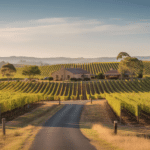
Grenache Noir has spread widely from its Spanish origins and grows well in warm and hot climates:
- Spain: Still the spiritual home of Garnacha, especially in Priorat, Calatayud, and Campo de Borja.
- France: A cornerstone of Southern Rhône red blends (Châteauneuf-du-Pape, Gigondas), Provence, and Languedoc-Roussillon.
- Italy: Known as “Cannonau” in Sardinia, where it produces distinctive, robust wines.
- Australia: A traditional component of GSM blends (Grenache-Shiraz-Mourvèdre) in Barossa ValleyThe Barossa Valley is located in South A… More and McLaren Vale.
- United States: Grenache Noir is gaining recognition in California (particularly in the Sierra Foothills, Paso Robles) and Washington State.
- Other regions: Grenache Noir is growing in South Africa, Israel, and other warm, Mediterranean-like climates.
How Winemakers Use Grenache Noir
Grenache Noir’s versatility makes it a favorite among winemakers:
- Blending: It is typically blended with SyrahSyrah is a full-bodied red wine and is o… More, MourvèdreMourvèdre is a grape variety that wine l… More, CarignanCarignan is a red wine grape variety tha… More, or TempranilloTempranillo is Spain’s main grape and on… More to add structure and colorWhat role do Anthocyanins play in wine? … More.
- Single varietal: Increasingly produced as a stand-alone wine, especially from old vines with concentrated flavors.
- Rosé production: Its light colorWine color refers to the visual appearan… More and bright fruit make it perfect for rosés, particularly in Provence and Tavel.
- Fortified wines: Used in France’s Banyuls and Maury, similar to port wine.
- Different styles: Can be made into light, early-drinking wines or serious, age-worthy expressions.


Tasting Notes and Wine Specifications
Color:
Medium ruby to pale garnet, Grenache Noir wines often with a slight brick or orange edge as they age. Never deeply saturated due to the thin-skinned nature of the grape.
Aroma:
Grenache Noir has ripe red fruits that dominate (strawberry, raspberry, cherry), with distinctive notes of white pepper, herbs de Provence, anise, and warm spices. Old vine Grenache Noir often develops complex aromas of dried fruits, leather, and earthy notes.
Flavor:
Juicy red fruits carry through on the palate, often with notes of candied fruit, orange peel, and licorice. Mediterranean herb notes (thyme, rosemary, lavender) are common in cooler growing regions.
Structure:
- Body: Medium to full
- Tannins: Low to moderate, often described as soft and supple
- Acidity: Medium-low to medium
- Alcohol: Typically high (14-16%)
- FinishFinish refers to the practice of aging s… More: Often warm and lengthy

Aging:
Grenache Noir’s high alcohol and moderate tannins allow it to age well, especially from low-yielding old vines. Quality examples can develop for 10-15 years. Oak aging varies by producer and region, with traditional areas often using large, neutral barrels rather than new oak.
Food Pairing:
Grenache Noir’s fruit-forward profile and moderate tannins make it extremely food-friendly:
- Mediterranean cuisine (especially dishes with herbs and olive oil)
- Grilled and stewed meats, particularly lamb and game
- Roasted vegetables and mushroom dishes
- Charcuterie and medium-strength cheeses
- Spiced dishes (its alcohol and fruit stand up well to moderate spice)
The Role of Grenache Noir in the Wine World Today
Grenache Noir is experiencing a renaissance after decades of being primarily viewed as a blending grape:
- Old vine preservation: Winemakers are recognizing the value of ancient Grenache Noir vineyards, some over 100 years old.
- Single-varietal focus: Increasingly featured as a stand-alone wine showcasing terroir differences.
- Climate change adaptation: Its heat and drought tolerance make it increasingly valuable in warming wine regions.
- Lighter style trends: The growing consumer preference for medium-bodied, fruit-forward reds plays to Grenache Noir’s strengths.
- Sustainable farming: Many old Grenache vineyards are dry-farmed and require minimal intervention.
Should You Try Grenache Noir?
Absolutely! Grenache Noir offers something for nearly every wine lover:
- If you enjoy Pinot NoirPinot Noir is one of the world’s most re… More but want something a bit more robust, Grenache Noir is an excellent choice.
- If you like Syrah/Shiraz but want something less tannic and more approachable, Grenache Noir delivers.
- If you appreciate wines with genuine regional character, old vine Grenache Noir powerfully expresses its terroir.
- If you’re seeking good value, many excellent Grenache Noirs from Spain and southern France offer tremendous quality-to-price ratios.

Conclusion
Grenache Noir stands as one of wine’s most versatile and underappreciated grapes. From its humble Spanish origins to its current global presence, it continues to evolve while maintaining its distinctive character. Whether as part of a classic blend or showcased on its own, Grenache Noir offers an appealing combination of accessibility and complexity that makes it worth seeking out. As climate conditions continue to change and consumer preferences evolve, this ancient grape variety is likely to play an increasingly important role in the world of wine.