
Orange Wine
Orange wine has been turning heads in the wine world with its bold flavors and striking appearance! Unlike most white…
definition
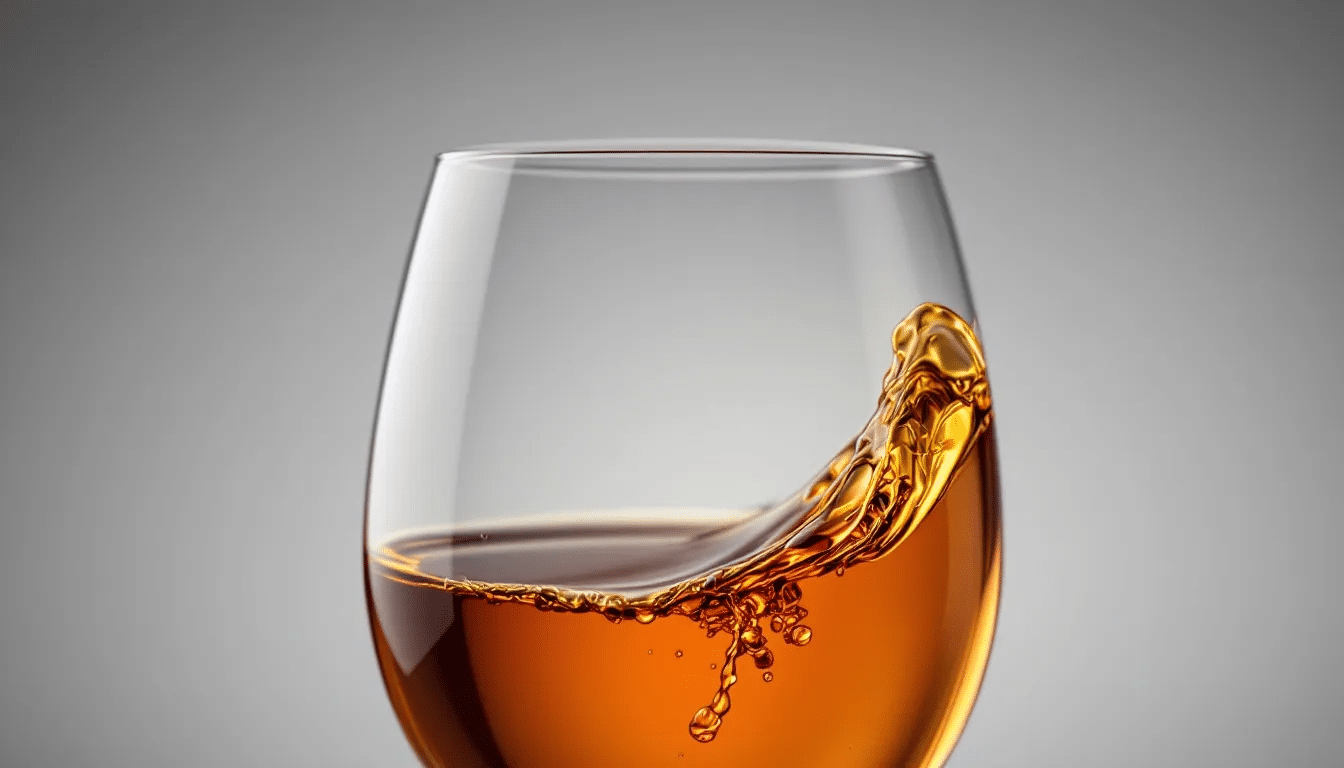
Orange wine has been turning heads in the wine world with its bold flavors and striking appearance! Unlike most white wines (which are pressed quickly off their skins), it is made by fermenting white grapes with their skins and sometimes seeds for extended periods, a process known as skin contact fermentation. This technique, more commonly used in red wine production, imparts a beautiful amber hue and a complex, robust flavor profile!
As a result, orange wine, also called amber wine or skin contact wine, stands out for its unique taste, which ranges from fruity and floral to savory and nutty. The extended contact with grape skins gives it its signature color and texture. There’s a saying among winemakers that making orange wine is like “painting with grape skins” because you never know exactly what masterpiece you’ll create!
History and Tradition
The story of orange wine goes back thousands of years in the ancient winemaking ways of Georgia. Winemakers first used qvevri—big, egg-shaped clay pots buried underground for this natural wine method, using long skin contact and skins and seeds during fermentation, has been used through the generations and is part of the region’s identity!
The mix of grape skins, seeds, and clay pots during fermentation gives orange wine its special qualities, including rich flavors and a unique feel. Today, many natural wine makers around the world keep using these old methods, celebrating the real and deep character that skin contact and traditional clay pots bring to orange wine. This strong connection to history and tradition is part of what makes it so special in today’s wine world!
Grape Varietals
Orange wine can theoretically be made from any white wine grape variety, but certain varietals are particularly well-suited to this extended skin-contact method. Unlike red wine, which is made from red wine grapes with skin contact, and rosé, which uses limited skin contact from red wine grapes, it is unique in that it uses white wine grapes processed like red wine, leaving the skins on to extract tannins, color, and flavor.
Traditional Varieties:
- Rkatsiteli
 Rkatsiteli is one of the world’s oldest … More – A Georgian grape that’s been used for over 8,000 years
- Mtsvane – Georgian variety with excellent tannin structure
- Ribolla GiallaRibolla Gialla is an ancient white grape… More – from Friuli, Italy, known for its mineral complexity
- Malvasia – Produces aromatic orange wines with floral notes

Modern Favorites:
- Pinot Grigio/Pinot Gris – elegant, food-friendly wines
- Gewürztraminer – intense aromatics and spice
- ChardonnayChardonnay is a white wine made from gre… More – rich, textured orange wines
- Sauvignon BlancPronunciation: SO-vee-nyohn BLAHN (Frenc… More – herbaceousHerbaceous characteristics in wine are c… More complexity
- RieslingRiesling is one of the world’s most nobl… More – Balances acidity with skin tannins
- Chenin BlancChenin Blanc’s story begins in the Loire… More – vibrantA vibrant wine is a tasting descriptor f… More acidity and stone fruit flavors, making it a standout for orange wine.




Aromatic varieties, such as Gewürztraminer and Malvasia, impart pronounced floral and orange blossom notes, enhancing the wine’s aromatic profile.
In many regions, local grape varieties are used to produce orange wine, resulting in unique styles and flavors that reflect the traditions and terroir of each area.
The key is selecting grapes with sufficient skin thickness and flavor compounds that can withstand extended maceration without becoming overly bitter.
How is Orange Wine Made
Orange wine production follows a distinctive process that combines white grape handling with red wine techniques:
- Harvest and Crushing – White grapes are harvested and gently crushed, keeping skins, seeds, and sometimes stems intact
- Maceration – The grape mustWhat is Must Creating must is the first … More (juice, skins, seeds) ferments together for anywhere from as little as a few days to 12 months, though 1-4 weeks is most common
- Fermentation – Wild or cultured yeasts convert sugars to alcohol while extracting tannins, color, and flavor compounds from the skins
- PressingPressing is the process of extracting ju… More – The wine is separated from the solids after the desired extraction period
- Aging – Many orange wines undergo additional aging in neutral vessels like concrete, clay, or old oak


Key Variables:
- Maceration time determines color intensity and tannin levels
- Temperature control affects extraction rates and flavor development
- Vessel choice (amphora, concrete, steel, wood) influences texture and taste
- Stirring frequency impacts color extraction and tannin integration
Many winemakers today experiment with different vessels and maceration times to achieve balanced alcohol levels and enhance flavor extraction without overpowering the wine. Modern producers might use concrete eggs or stainless steel tanks.
Where is Orange Wine Produced
Historical Regions:
- Georgia – The birthplace of orange wine, with 8,000+ years of continuous production in qvevri
- Friuli-Venezia Giulia, Italy – Pioneered the modern orange wine renaissance, particularly around Gorizia. Italian winemakers played a crucial role in reviving and popularizing orange wine techniques by adapting Georgian methods and bringing them back to Italy, which helped spark global interest.
- Slovenia – The Brda region produces exceptional wines, often called “amber wines”
Modern Hotspots:
- Austria – The natural wine movement has embraced orange wines, with some producers utilizing biodynamic vineyards to enhance wine quality and expressiveness.
- Australia – Innovative producers in Adelaide Hills and Orange regions, where biodynamic vineyards contribute to the unique character of their wines.
- California – Particularly in Sonoma County and Mendocino, where biodynamic vineyards are increasingly used to produce distinctive wines.
- New York – Finger Lakes region showing promise
- France – Loire Valley and AlsaceAlsace is located in northeastern France… More producers are experimenting, including the use of biodynamic vineyards for more complex wines.
- Germany – Growing interest in skin-contact Rieslings

Emerging Regions:
- South Africa, Chile, New Zealand, and Eastern European countries are all developing orange wine scenes, with a rising focus on biodynamic wines as part of the global spread of organic and sustainable orange wine production.
Color
The wine’s signature characteristic is its distinctive hue, which ranges dramatically based on grape variety and production methods:
Color Spectrum:
- Pale Golden – Light skin contact (3-7 days) creates subtle amber tints
- Deep Amber – Medium maceration (2-4 weeks) produces classic orange wine color
- Copper-Bronze – Extended contact (1-3 months) yields rich, dark tones
- Mahogany – Very long maceration (6+ months) can create almost red wine colors
Most wines fall within the deep amber to copper-bronze range.
Factors Affecting Color:
- Grape variety (some have more phenolic compounds)
- Maceration duration and temperature
- Oxygen exposure during production
- pH levels of the must
- AgeIn wine terms, “age” refers to how long … More of the wine (colors typically deepen over time)

The color comes from phenolic compounds in grape skins, the same compounds that give red wines their color, but in lower concentrations.
Aroma
Orange wines offer complex aromatic profiles that evolve significantly with air exposure:
Primary Aromas:
- Fruit – Dried apricot, orange peel, quince, apple skin, pear
- Floral – Orange blossom, chamomile, elderflower, acacia
- Spice – Ginger, turmeric, cinnamon, white pepper
Secondary Aromas (from fermentation):
- YeastWine yeast is a microorganism essential … More – Bread dough, brioche, sourdough
- Fermentation – Honey, beeswax, nuts

Tertiary Aromas (from aging):
- Oxidative – Sherry-like notes, dried fruits, nuts
- EarthyEarthy wines are those that evoke aromas… More – Tea leaves, tobacco, leather, mushrooms
- Mineral – Wet stone, salt, iodine

Unique Characteristics: Often displays a distinctive “grip” or textural element in the aroma, along with a savory quality that’s rarely found in conventional white wines.
Flavor
The flavor profile is perhaps its most distinctive feature, combining elements of both white and red wines. Wine tastes complex, with layers of fruit, spice, and savory notes that appeal to both casual drinkers and enthusiasts. The orange wine taste is influenced by factors like grape variety and skin contact, resulting in a unique and aromatic sensory experience.
Wondering what orange wine tastes like? It can be reminiscent of dried fruits, orange rind, honeyed notes, and even herbal or nutty flavors, sometimes drawing comparisons to both robust white wines and lighter reds.
Taste Profile:
- Fruit Flavors – Dried stone fruits, citrus peel, quince paste, dried apple, orange rind
- Savory Elements – Nuts, tea, herbs, olives, umami characteristics, honeyed notes
- Spice Notes – Turmeric, ginger, cardamom, white pepper
- Textural Elements – Tannins provide grip and structure unusual in white wines
Flavor Evolution:
- Young Orange Wines – More fruit-forward with fresh tannins; orange wine tastes brighter and more vibrant in youth
- Aged Orange Wines – Develop complex tertiary flavors and softer tannins; orange wine tastes can evolve to show more earthy, nutty, and honeyed notes over time
- DecantingWine decanting serves two primary purpos… More Benefits – Often improves significantly with air exposure

Unique Characteristics: The presence of tannins creates a drying sensation on the palate, while the acidity (typically lower than conventional whites due to skin contact) provides balance. Many describe orange wines as having an “umami” quality that makes them exceptionally food-friendly.
Structure
Orange wines possess a unique structural profile that sets them apart from other wine styles:
Tannin Structure:
- Presence – Unlike typical white wines, orange wines contain significant tannins from skin contact
- Quality – Generally softer and more integrated than red wine tannins
- Evolution – Tannins soften and integrate with age
Acidity:
- Level – Often moderate to moderate-plus, lower than typical white wines
- Type – Skin contact can reduce perceived acidity while maintaining pH balance
- Integration – Well-integrated acidity provides freshness without sharpness
Alcohol:
- Range – Typically 11-14% ABVWhat Does A.B.V. Mean in Wine? What does… More, similar to other table wines

Body and Weight:
- Medium to Full-bodied – Tannins and extended skin contact create a substantial mouthfeel
- Texture – Distinctive grip and chewiness from tannins
- Length – Often have impressive finishFinish refers to the practice of aging s… More length due to structural complexity
- Fuller-bodied orange wines benefit from extended skin contact, resulting in a richer structure, and pair especially well with hearty dishes that complement their robust profile.

Aging
Orange wines have excellent aging potential, often improving significantly over time:
Aging Capacity:
- Short-term (2-5 years) – Fruit flavors integrate with tannins
- Medium-term (5-10 years) – Develop complex tertiary characteristics
- Long-term (10+ years) – Best examples can age for decades
Compared to new wine, which is typically consumed soon after production and prized for its fresh, youthful flavors and lighter structure, aged orange wines develop deeper complexity and more pronounced tannins.
Food Pairing
Orange wines are incredibly versatile for food pairing:
Meat and Fish:
- Pork – Especially with herbs and spices
- Poultry – Roasted chicken, duck, turkey
- Seafood – Salmon, tuna, shellfish with rich preparations
- Charcuterie – Cured meats, pâtés, terrines
Vegetarian Options:
- Mushrooms – All varieties, especially roasted or grilled
- Root vegetables – Roasted carrots, parsnips, sweet potatoes
- Squash and pumpkin dishes
- Nuts and seeds – Almonds, hazelnuts, tahini-based dishes
Cuisines:
- Georgian – Traditional khachapuri, khinkali
- Italian – Osso buco, risotto, aged cheeses
- Middle Eastern – Spiced dishes, tagines, grilled vegetables
- Asian – Korean fermented dishes, Japanese umami-rich foods
- Spicy dishes – Indian curries, Thai stir-fries, Sichuan cuisine
Cheese Pairings:
- Hard cheeses – Aged cheddar, Parmigiano-Reggiano
- Washed rind – Taleggio, Munster
- Goat cheese – Fresh and aged varieties
Should You Try Orange Wine?
Orange wine isn’t for everyone, but it offers unique experiences for adventurous wine drinkers and wine enthusiasts who have tasted or want to taste something different. Many people love orange wine for its distinctive flavors, historical roots, and the way it bridges tradition and innovation.
If you haven’t tasted natural orange wine yet, it’s worth seeking out for its unique character and to experience what makes it so popular among wine enthusiasts.
Starting Recommendations:
- Begin with Italian Ribolla Gialla or Pinot Grigio orange wines
- Try Georgian examples for traditional expression
- Look for producers known for balanced, approachable styles
You can buy orange wine at specialty wine shops, natural wine stores, trendy restaurants, or from online retailers.
Conclusion
Orange wine represents a fascinating intersection of ancient tradition and modern innovation. This unique style offers wine enthusiasts an opportunity to explore flavors, textures, and aromas that exist nowhere else in the wine world. From the 8,000-year-old Georgian qvevri tradition to cutting-edge natural winemakers in California and Australia, orange wine continues to evolve while maintaining its distinctive character.
As the category continues to grow and evolve, we can expect to see more refined examples, broader availability, and increased recognition of orange wine as a legitimate and valuable addition to the global wine landscape. The future of orange wine looks as bright—or should we say orange—as its distinctive hue. Notably, David Harvey is credited with coining and popularizing the term “orange wine” in the modern wine world.